

In today's competitive food processing industry, you're likely facing the pain point of high energy consumption with traditional peanut oil pressing equipment. Traditional presses often operate at a fixed power level, consuming a large amount of electricity even during low - demand periods. For instance, a typical traditional peanut oil press might consume around 80 - 100 kWh per day in a medium - sized oil mill. This high energy consumption not only inflates your production costs but also goes against the trend of sustainable development.
Our advanced peanut oil pressing equipment comes with an intelligent multi - stage temperature control system, which is a game - changer in the industry. Let's first understand how the intelligent control system works. It can precisely adjust the motor load according to the actual pressing requirements. When the press doesn't need to operate at full power, the system reduces the motor load, saving energy. At the same time, it has a heat recovery function. During the pressing process, a significant amount of heat is generated. The intelligent control system captures this heat and recycles it, which can reduce energy consumption by up to 30% or more.
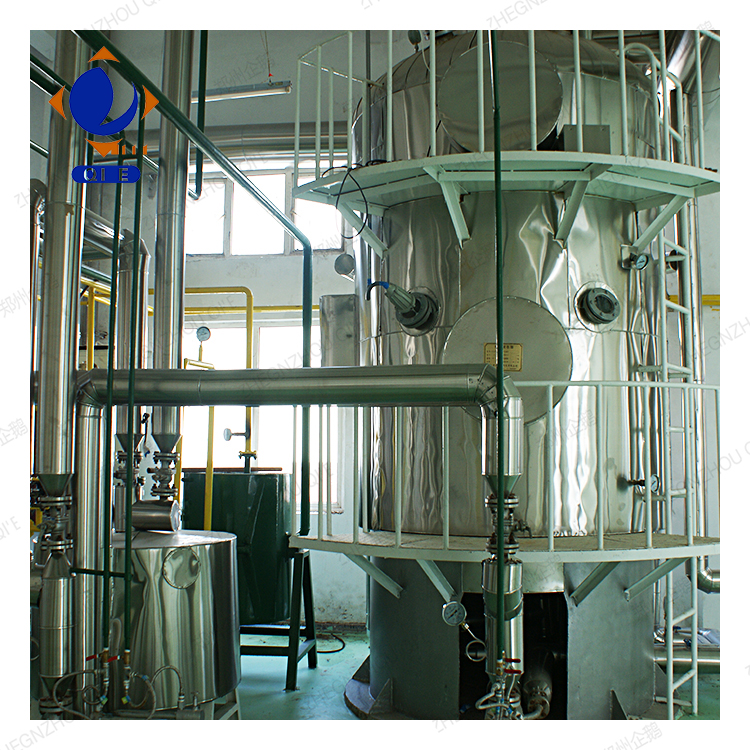
Let's look at a data chart to better understand the energy - saving effect. The following bar chart compares the daily energy consumption of a traditional peanut oil press and our energy - saving press:
| Press Type | Daily Energy Consumption (kWh) |
|---|---|
| Traditional Press | 80 - 100 |
| Our Energy - Saving Press | 50 - 70 |
The multi - stage temperature control linkage mechanism is another key feature of our equipment. It plays a crucial role in stabilizing the oil output rate. Different peanut varieties and moisture contents require different pressing temperatures. The multi - stage temperature control system can adjust the temperature in multiple stages during the pressing process, ensuring that the peanuts are pressed under the most suitable temperature conditions. This can increase the oil output rate by about 5 - 8% compared to traditional presses.
To keep your equipment running efficiently and prolong its service life, here are some practical daily maintenance tips. First, regularly clean the pressing chamber to prevent peanut residue from accumulating, which can affect the pressing efficiency. Second, check the lubrication of moving parts and add lubricant in time. Third, inspect the temperature sensors and control circuits regularly to ensure their normal operation.
Let's take a look at some real - world cases from our overseas customers in Africa and Southeast Asia. An agricultural cooperative in Africa upgraded from an old - model press to our energy - saving press. After the upgrade, they reduced their monthly electricity bill by 35% and increased their daily peanut oil production by 15%. A small - scale oil mill in Southeast Asia also reported similar results. After the upgrade, they saved about 30% on energy costs and saw a 12% increase in oil output.
"Since we upgraded to the new peanut oil press with the intelligent temperature control system, our production costs have dropped significantly, and our oil output has increased. It's a great investment for our business." - A customer from Africa
In conclusion, our energy - saving peanut oil press offers a clear path for your business to reduce costs, increase production, and achieve sustainable development. The intelligent multi - stage temperature control system not only saves energy but also improves the oil output rate and ensures environmental compliance. Whether you're a manager of an agricultural cooperative or a responsible person of a small - to - medium - sized oil mill, this equipment can help you optimize your production costs and move towards green manufacturing.
Don't miss out on this opportunity to transform your oil production process. 立即查看产品详情页获取完整技术白皮书 and see how our advanced peanut oil pressing equipment can benefit your business.
 435
|
435
|
 smart sunflower oil extraction equipment
pressure control technology
oil extraction rate optimization
equipment maintenance guide
grain and oil processing machinery
341
|
Peanut oil press energy-saving
Intelligent control system
Agricultural cooperative oil production equipment
Energy-saving oil press operating cost
Green oil production solutions
120
|
peanut oil press machine energy efficiency
low energy consumption oil press
smart control system for oil press
oil yield optimization technology
industrial oil extraction equipment
42
|
peanut oil press energy efficiency
small scale oil mill upgrades
intelligent oil pressing technology
oil extraction rate improvement
agricultural cooperative machinery
356
|
sunflower seed oil extractor maintenance
intelligent pressure oil extraction equipment
sunflower oil machinery fault diagnosis
grain and oil processing equipment maintenance schedule
sunflower seed oil press operating guide
smart sunflower oil extraction equipment
pressure control technology
oil extraction rate optimization
equipment maintenance guide
grain and oil processing machinery
341
|
Peanut oil press energy-saving
Intelligent control system
Agricultural cooperative oil production equipment
Energy-saving oil press operating cost
Green oil production solutions
120
|
peanut oil press machine energy efficiency
low energy consumption oil press
smart control system for oil press
oil yield optimization technology
industrial oil extraction equipment
42
|
peanut oil press energy efficiency
small scale oil mill upgrades
intelligent oil pressing technology
oil extraction rate improvement
agricultural cooperative machinery
356
|
sunflower seed oil extractor maintenance
intelligent pressure oil extraction equipment
sunflower oil machinery fault diagnosis
grain and oil processing equipment maintenance schedule
sunflower seed oil press operating guide










.jpg?x-oss-process=image/resize,m_fill,h_800,w_800/format,webp)
