In today's agricultural landscape, rising energy costs have become a significant challenge for agricultural cooperatives worldwide. Traditional oilseed pressing equipment, often operating with outdated technology, consumes excessive electricity and requires frequent maintenance, directly impacting profit margins. However, forward-thinking cooperatives are discovering that strategic equipment upgrades can lead to remarkable energy savings while improving operational efficiency. This article explores how integrating intelligent control systems with energy-efficient motors is revolutionizing oilseed processing operations.
According to recent industry reports, energy costs now constitute 25-30% of total operational expenses for mid-sized agricultural cooperatives specializing in oilseed processing. Over the past five years, electricity prices have increased by an average of 4.2% annually, creating significant financial pressure. Traditional oilseed presses typically operate at only 65-70% energy efficiency, with motors running at constant speed regardless of actual load requirements.
"Our cooperative was spending over $45,000 annually on electricity for our oilseed processing line alone," explains Miguel Santos, operations manager at Central Valley Agricultural Cooperative. "We knew we needed to find a solution when energy costs started eating into 28% of our net profits."
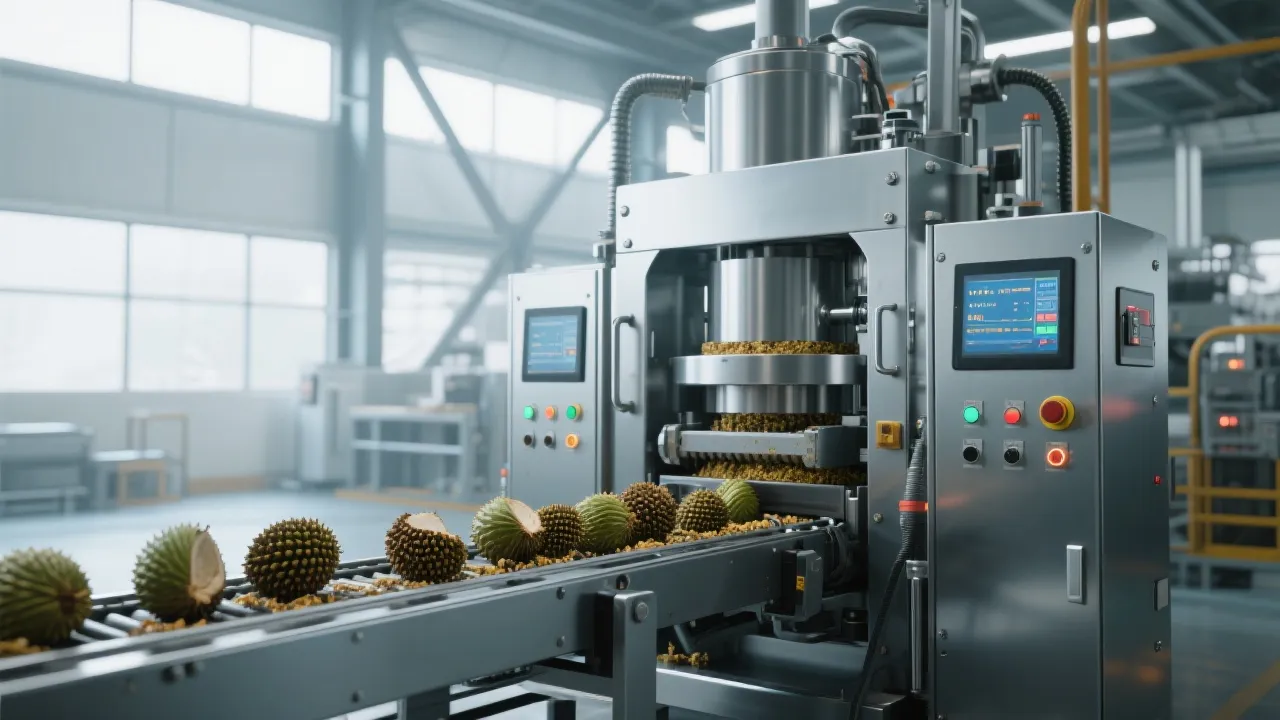
Modern intelligent control systems act as the central nervous system of oilseed processing equipment, continuously monitoring and adjusting operations for optimal performance. These advanced systems utilize sophisticated algorithms to analyze real-time data on raw material characteristics, processing speed, and energy consumption, making instantaneous adjustments to match actual production needs.
The dynamic load adjustment capability is particularly valuable, allowing equipment to automatically reduce power consumption during periods of lower raw material input while maintaining processing quality. For a cooperative processing 2000 kg of raw material per hour, this translates to precise energy allocation throughout the day, eliminating the waste associated with running at full capacity during inconsistent input periods.
When paired with intelligent control systems, premium efficiency motors—meeting IE3 or higher standards—deliver exceptional energy savings. These motors operate at 92-95% efficiency compared to the 80-85% efficiency of standard motors, significantly reducing electricity consumption without sacrificing performance.
| Motor Type | Efficiency | Annual Energy Savings* | ROI Period |
|---|---|---|---|
| Standard IE1 Motor | 82-85% | - | N/A |
| Premium IE3 Motor | 92-94% | $8,500-$12,000 | 14-18 months |
| IE3 + Intelligent Control | System efficiency 90-93% | $15,000-$22,000 | 10-14 months |
*Based on 24/7 operation, 365 days/year, $0.12/kWh, and 2000 kg/hour processing capacity
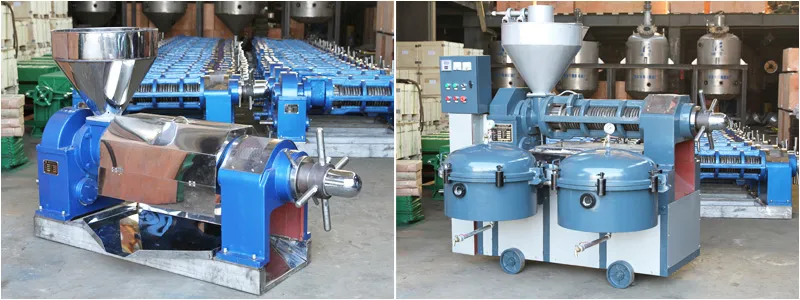
The advantages of upgrading extend far beyond electricity savings. Modern oilseed processing equipment incorporates corrosion-resistant materials that significantly extend equipment lifespan. In a recent case study, a cooperative reported a 67% reduction in maintenance costs after upgrading to equipment featuring stainless steel components and advanced coatings.
"We used to perform major maintenance every 3 months, which meant production downtime and additional labor costs," notes Elena Rodriguez, maintenance supervisor at GreenField Co-op. "After implementing the new system from Penguin Group, our maintenance intervals extended to 9 months, and minor maintenance tasks were reduced by 40%."
To maximize the benefits of upgraded equipment, establishing a structured maintenance program is essential. Implementing daily, weekly, and monthly checklists ensures early detection of potential issues before they escalate into costly problems.
By combining these maintenance practices with the built-in diagnostic capabilities of intelligent control systems, cooperatives can achieve unprecedented levels of operational visibility. Real-time alerts and performance analytics enable proactive decision-making, further optimizing both energy usage and equipment longevity.
Discover how Penguin Group's integrated solutions have helped similar cooperatives reduce energy costs by 30-40% while improving production efficiency.
Get instant access to our comprehensive monitoring checklist and case studies from successful implementations across North America and Europe.
As agricultural cooperatives face increasing pressure to reduce operational costs and improve sustainability, investing in intelligent control systems and energy-efficient motors has become not just an option but a necessity. The combination of immediate energy savings, reduced maintenance costs, and improved reliability creates a compelling business case that delivers measurable returns within a relatively short period.
The technology exists to transform oilseed processing from an energy-intensive operation into a model of efficiency and sustainability. For forward-thinking cooperatives willing to embrace these innovations, the rewards extend beyond financial savings to include enhanced competitiveness, improved environmental stewardship, and long-term operational resilience.
 434
|
434
|
 peanut oil press machine selection
energy-saving oil press maintenance
oil press technical specifications
agricultural cooperative equipment
small oil mill solutions
164
|
peanut oil press machine
efficient oil extraction
agricultural cooperative equipment
oil press maintenance
energy-saving oil press
75
|
peanut oil refining technology
energy-efficient edible oil equipment
green oil processing machinery
automated peanut oil production line
smart grain processing systems
124
|
Peanut oil press selection
Energy - saving press maintenance
Press technical parameters
Peanut oil press maintenance guide
Low - energy oil extraction equipment
259
|
peanut oil production line
energy-saving optimization
intelligent control system
small and medium oil mills
equipment installation and commissioning
peanut oil press machine selection
energy-saving oil press maintenance
oil press technical specifications
agricultural cooperative equipment
small oil mill solutions
164
|
peanut oil press machine
efficient oil extraction
agricultural cooperative equipment
oil press maintenance
energy-saving oil press
75
|
peanut oil refining technology
energy-efficient edible oil equipment
green oil processing machinery
automated peanut oil production line
smart grain processing systems
124
|
Peanut oil press selection
Energy - saving press maintenance
Press technical parameters
Peanut oil press maintenance guide
Low - energy oil extraction equipment
259
|
peanut oil production line
energy-saving optimization
intelligent control system
small and medium oil mills
equipment installation and commissioning









.jpg?x-oss-process=image/resize,m_fill,h_800,w_800/format,webp)