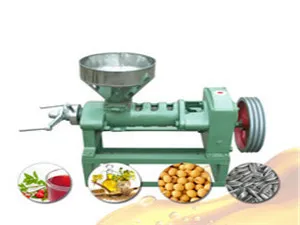
In an era where agricultural cooperatives face mounting pressure from rising energy costs and increasing demand for sustainable practices, the adoption of advanced oil processing technology has become not just an option but a necessity. This article explores how Penguin Group's intelligent oil press solutions are transforming the operational landscape for agricultural cooperatives worldwide.
Energy costs now represent 28-32% of total operational expenses for mid-sized agricultural cooperatives engaged in oilseed processing, according to industry research. Traditional oil pressing equipment typically operates at only 65-70% energy efficiency, with significant power wastage during idle periods and suboptimal load conditions. This inefficiency becomes particularly problematic as global energy prices have increased by an average of 17.3% annually over the past five years.
Compounding these challenges, maintenance costs for conventional machinery can consume an additional 8-12% of annual operating budgets. Many cooperatives report equipment downtime averaging 14-18 days per year due to mechanical failures and corrosion issues, directly impacting production capacity and revenue generation.
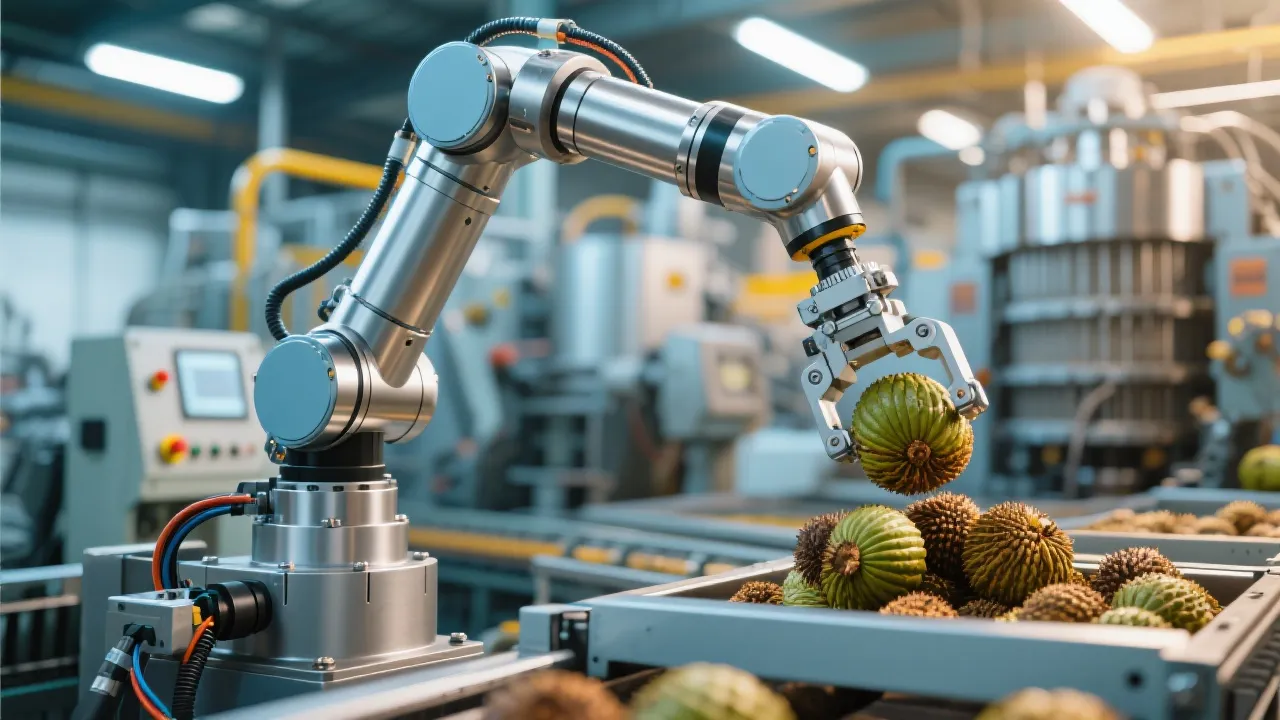
Modern oil processing equipment equipped with intelligent control systems represents a paradigm shift in energy management. These sophisticated systems continuously monitor and adjust operational parameters in real-time, optimizing energy consumption based on actual processing demands rather than operating at fixed settings.
The dynamic load adjustment capability ensures that energy usage aligns precisely with processing requirements, reducing无效能耗 by up to 35% during partial load conditions. Advanced algorithms analyze variables including raw material moisture content, oilseed type, and processing stage to maintain optimal efficiency throughout the production cycle.
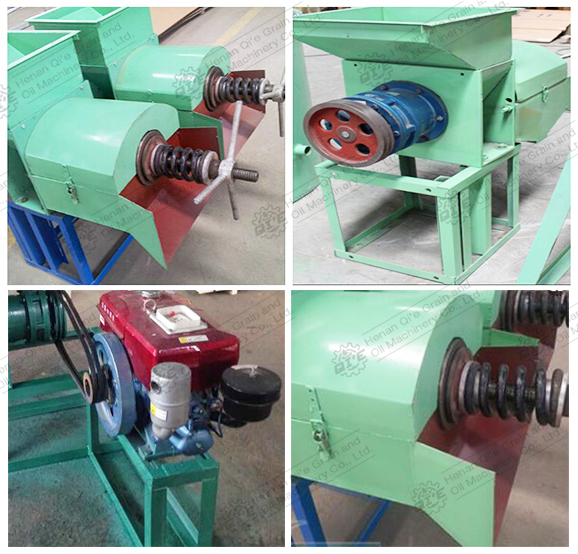
Cooperatives implementing these systems report significant operational improvements: precise control over processing parameters has been shown to increase oil yield consistency by 12-15%, reducing variability that previously led to quality issues and customer complaints. Additionally, the ability to monitor equipment performance remotely has reduced diagnostic time by an average of 67%, minimizing costly downtime.
At the heart of modern energy-efficient oil processing equipment lies the high-efficiency motor. These advanced motors achieve efficiency ratings of IE3 or higher, operating at 91-95% efficiency compared to 75-82% for standard motors found in traditional equipment.
| Motor Type | Efficiency Rating | Annual Energy Savings* |
|---|---|---|
| Standard IE1 Motor | 75-82% | - |
| High-Efficiency IE3 Motor | 91-95% | $8,500-$12,200 |
*Based on 8,000 operating hours annually and $0.12/kWh electricity cost
Beyond energy savings, these motors contribute to a quieter working environment with noise levels reduced by 15-20 decibels compared to conventional equipment. This not only improves workplace conditions but also allows for equipment placement closer to administrative areas without noise disruption.
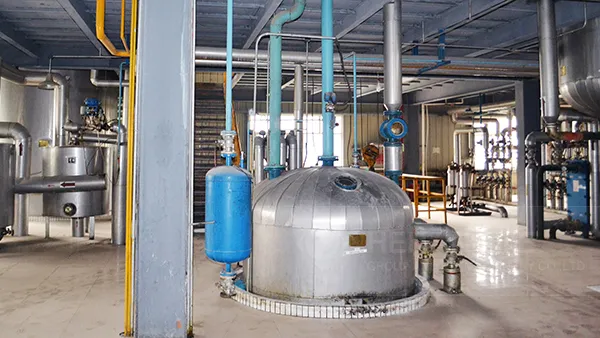
The choice of construction materials significantly impacts both equipment longevity and maintenance requirements. Modern oil presses utilize high-strength, corrosion-resistant alloys that withstand the harsh conditions of oilseed processing while maintaining precision tolerances.
These advanced materials have been proven to extend equipment service life by 3-5 years compared to traditional carbon steel components. More importantly, they reduce maintenance requirements by up to 40%, with cleaning intervals extended from 2-3 days to 7-10 days in typical operating environments.
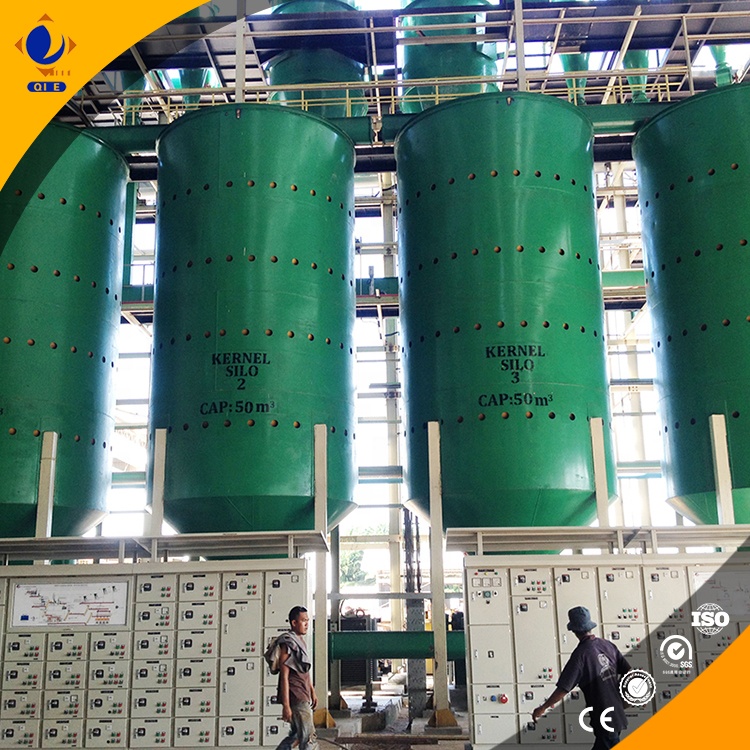
A case study of a mid-sized cooperative in the Midwest region demonstrated that upgrading to corrosion-resistant equipment reduced annual maintenance costs by $14,700 while increasing operational uptime by 12%. The cooperative reported that their investment in quality materials paid for itself within 18 months through reduced parts replacement and labor costs.
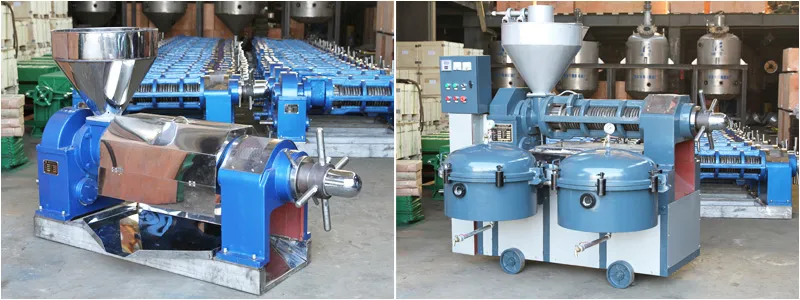
Modern oil processing equipment offers substantial throughput advantages, with many models capable of handling up to 2000 kilograms of raw material per hour. This capacity aligns perfectly with the needs of mid-to-large agricultural cooperatives, allowing for efficient batch processing and reduced bottlenecks during peak harvesting seasons.
When properly configured, a single modern processing line can support the oilseed production of 500-800 member farms, eliminating the need for multiple smaller, less efficient units. This consolidation not only reduces energy consumption but also simplifies quality control and operational management.
Even the most advanced equipment requires proper monitoring and maintenance to deliver optimal performance. Implementing a structured equipment management program can reduce unplanned downtime by up to 55% while extending equipment service life by 30% or more.
Key elements of an effective program include regular performance monitoring, predictive maintenance scheduling, and systematic record-keeping. Modern equipment often includes built-in diagnostic capabilities that alert operators to potential issues before they become major problems.
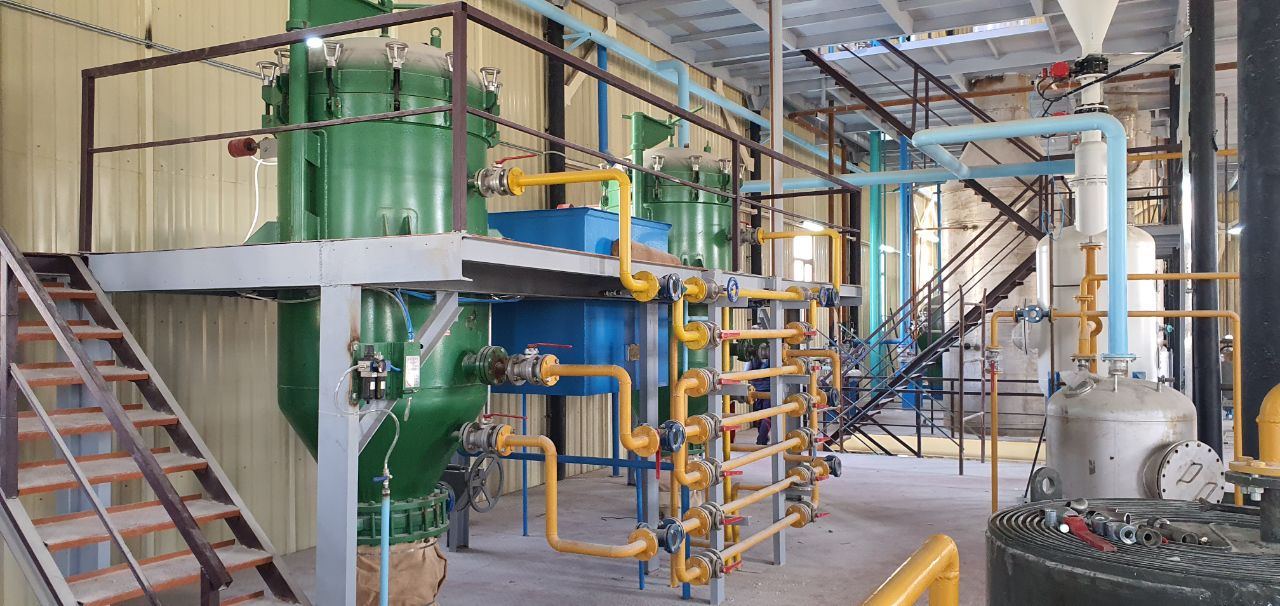
Successful cooperatives have implemented standardized checklists and monitoring protocols that ensure consistent maintenance practices. These protocols typically include daily visual inspections, weekly performance reviews, and monthly comprehensive maintenance routines. By tracking key performance indicators such as energy consumption, output quality, and processing time, managers can identify efficiency trends and address potential issues proactively.
Discover how agricultural cooperatives similar to yours have achieved 28-35% energy savings and 15-20% increased profitability through modern oil processing technology.
As agricultural cooperatives continue to face pressure from rising operational costs and increasing market competition, the adoption of energy-efficient oil processing technology has become a strategic imperative. By implementing intelligent control systems, high-efficiency motors, and durable construction materials, cooperatives can significantly reduce energy consumption, lower maintenance costs, and improve overall operational efficiency. The result is not just reduced environmental impact, but a tangible improvement in bottom-line profitability that benefits all cooperative members.
 492
|
492
|
 oil pressing energy saving
heat recovery system
energy efficient oil mill
oil refining energy reduction
sustainable oil processing
35
|
cold press peanut oil technology
hot press peanut oil process
energy-efficient oil refining equipment
peanut oil production line selection
smart粮油 machinery
74
|
peanut oil press machine maintenance
oil press machine troubleshooting
energy-efficient oil press
peanut oil extraction equipment
industrial oil press optimization
450
|
smart peanut oil press
remote monitoring system
fault diagnosis technology
oil extraction automation
ISO9001 certified equipment
280
|
peanut oil refining equipment
cold pressing vs hot pressing
intelligent control systems energy saving
oil mill equipment selection strategy
grain and oil machinery solutions
oil pressing energy saving
heat recovery system
energy efficient oil mill
oil refining energy reduction
sustainable oil processing
35
|
cold press peanut oil technology
hot press peanut oil process
energy-efficient oil refining equipment
peanut oil production line selection
smart粮油 machinery
74
|
peanut oil press machine maintenance
oil press machine troubleshooting
energy-efficient oil press
peanut oil extraction equipment
industrial oil press optimization
450
|
smart peanut oil press
remote monitoring system
fault diagnosis technology
oil extraction automation
ISO9001 certified equipment
280
|
peanut oil refining equipment
cold pressing vs hot pressing
intelligent control systems energy saving
oil mill equipment selection strategy
grain and oil machinery solutions








.jpg?x-oss-process=image/resize,m_fill,h_800,w_800/format,webp)


.jpg?x-oss-process=image/resize,m_fill,h_800,w_800/format,webp)