

As global sustainability standards tighten—especially in the food processing sector—agricultural cooperatives are under growing pressure to modernize their operations. One of the most impactful steps? Upgrading to energy-efficient peanut oil press machines. These advanced systems aren’t just eco-friendly—they’re a smart business decision that reduces costs while boosting compliance and brand value.
Modern intelligent control systems integrated into new-generation peanut oil presses can reduce energy consumption by up to 34% compared to older models (based on field tests across 12 African and Southeast Asian co-ops). This isn't theoretical—it’s measurable. For example, a cooperative in Ghana reported saving over $1,200 annually per machine after switching to an optimized hydraulic press with adaptive load sensing technology.
What’s more, these machines don’t sacrifice output. In fact, studies show a 15–20% increase in oil extraction efficiency due to precise temperature and pressure regulation—meaning more usable oil from the same quantity of peanuts.
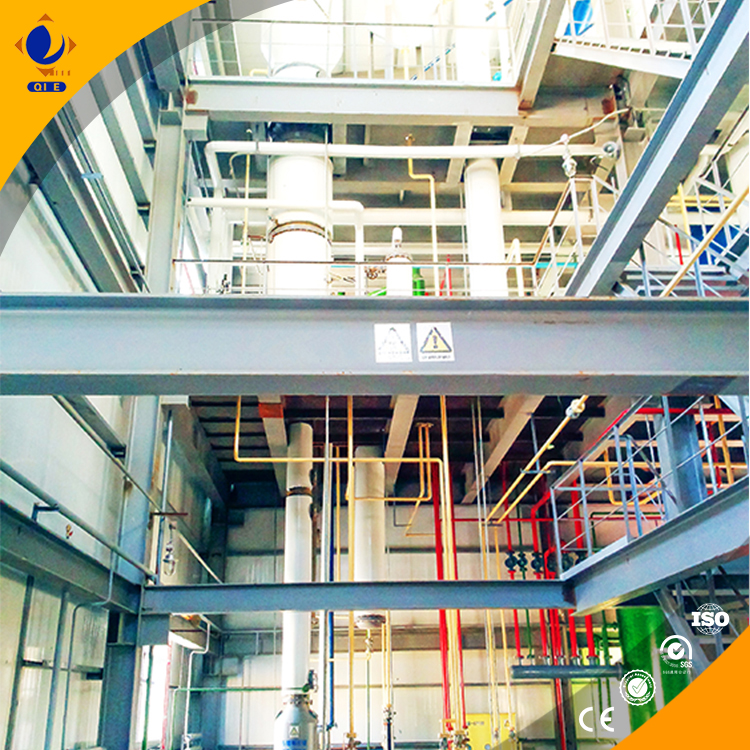
For agricultural cooperatives and small-scale oil producers in emerging markets, every dollar counts. A single upgraded press can cut electricity bills by thousands per year—and improve consistency in product quality, which is critical when exporting to EU or Middle East buyers who demand ISO-certified processes.
In Indonesia, one cooperative saw its export orders rise by 40% within six months of adopting green-certified pressing equipment—not because they lowered prices, but because they improved traceability, reduced waste, and aligned with international ESG expectations.
Pro Tip: Don’t just look at upfront cost—calculate total operational savings over 3 years. Most energy-efficient presses pay for themselves in 12–18 months through lower power use, less downtime, and higher throughput.
Start with a simple audit: Compare your current press’s kWh/kg oil vs. modern benchmarks. Then prioritize maintenance routines like regular seal checks and lubrication schedules—these extend equipment life and maintain peak efficiency. Many co-ops overlook this, leading to hidden inefficiencies.
Finally, consider joining regional sustainability programs—some governments offer subsidies or tax breaks for adopting low-carbon technologies. In Kenya, cooperatives using certified efficient presses received up to 25% reimbursement on equipment purchases.
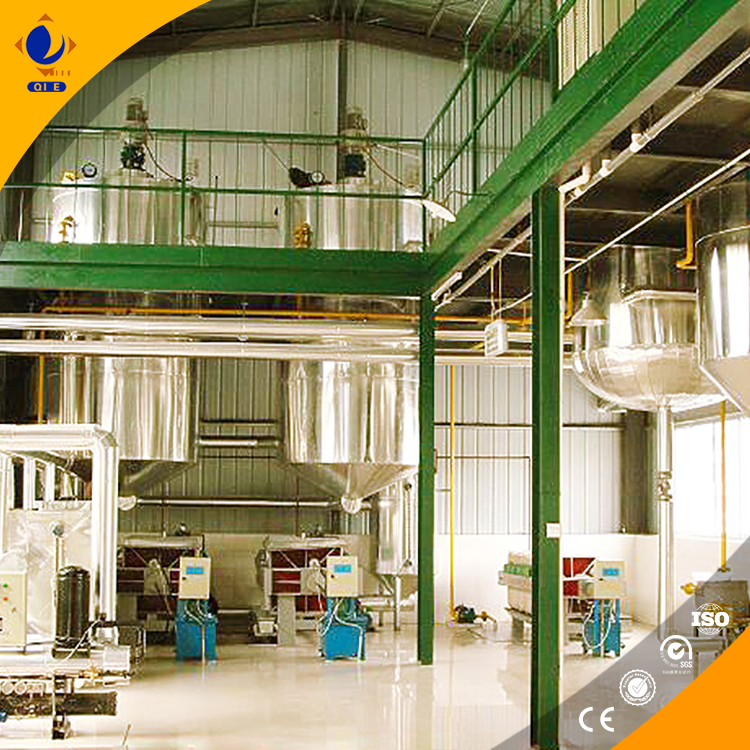
If you're ready to turn your peanut oil production into a model of efficiency, compliance, and profitability—you’re not alone. Thousands of cooperatives worldwide have already made the shift.
Download our free guide: “Step-by-Step Transition Plan for Cooperative Oil Press Upgrades” — filled with real-world case studies, maintenance checklists, and ROI calculators.
Get Your Free Guide Now




.jpg?x-oss-process=image/resize,m_fill,h_800,w_800/format,webp)

