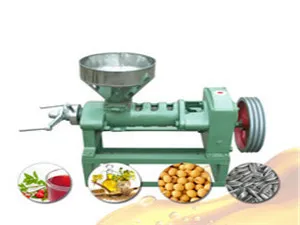
As the leader of an agricultural cooperative, you understand that the right equipment investment directly impacts your members' profitability and operational efficiency. When it comes to peanut oil processing, selecting a press machine that balances noise control, oil yield, and durability isn't just a purchasing decision—it's a strategic choice that affects your community relationships, production costs, and product quality for years to come.
Industry Insight:
According to agricultural machinery research,合作社 that upgrade to industrial-grade oil press equipment typically see a 15-22% increase in net profit margins within the first year, primarily due to improved oil yield and reduced maintenance downtime.
Before diving into technical specifications, take a moment to assess your specific operational requirements.合作社 face distinct challenges compared to large-scale industrial operations:
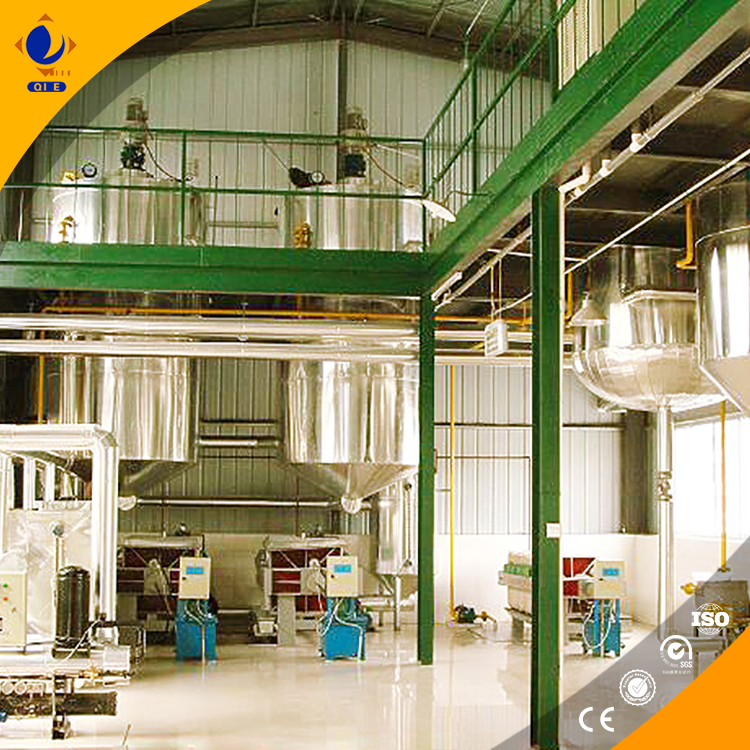
Excessive noise isn't just a nuisance—it can lead to community complaints, operational restrictions, and even legal issues. Modern industrial oil presses like those from 企鹅集团 incorporate advanced sound-dampening technology that keeps operational noise below 80 decibels (dB).
To put this in perspective: 80dB is equivalent to the sound of a normal conversation or a busy office, significantly quieter than traditional oil presses that often exceed 95dB—comparable to a lawnmower.
The most critical financial parameter for your cooperative is oil yield. Advanced press machines achieve an impressive 98-100% oil extraction rate, compared to 85-90% with older equipment. This seemingly small difference translates to substantial profits:
| Equipment Type | Oil Yield | Annual Profit Increase* |
|---|---|---|
| Traditional Press | 87% | - |
| Modern Industrial Press | 98% | $12,500+ |
*Based on 500kg daily peanut processing, $1.20/liter oil value
Imagine what your cooperative could accomplish with an additional $12,500 annually—investing in better equipment for members, improving facilities, or reducing costs for your growers.
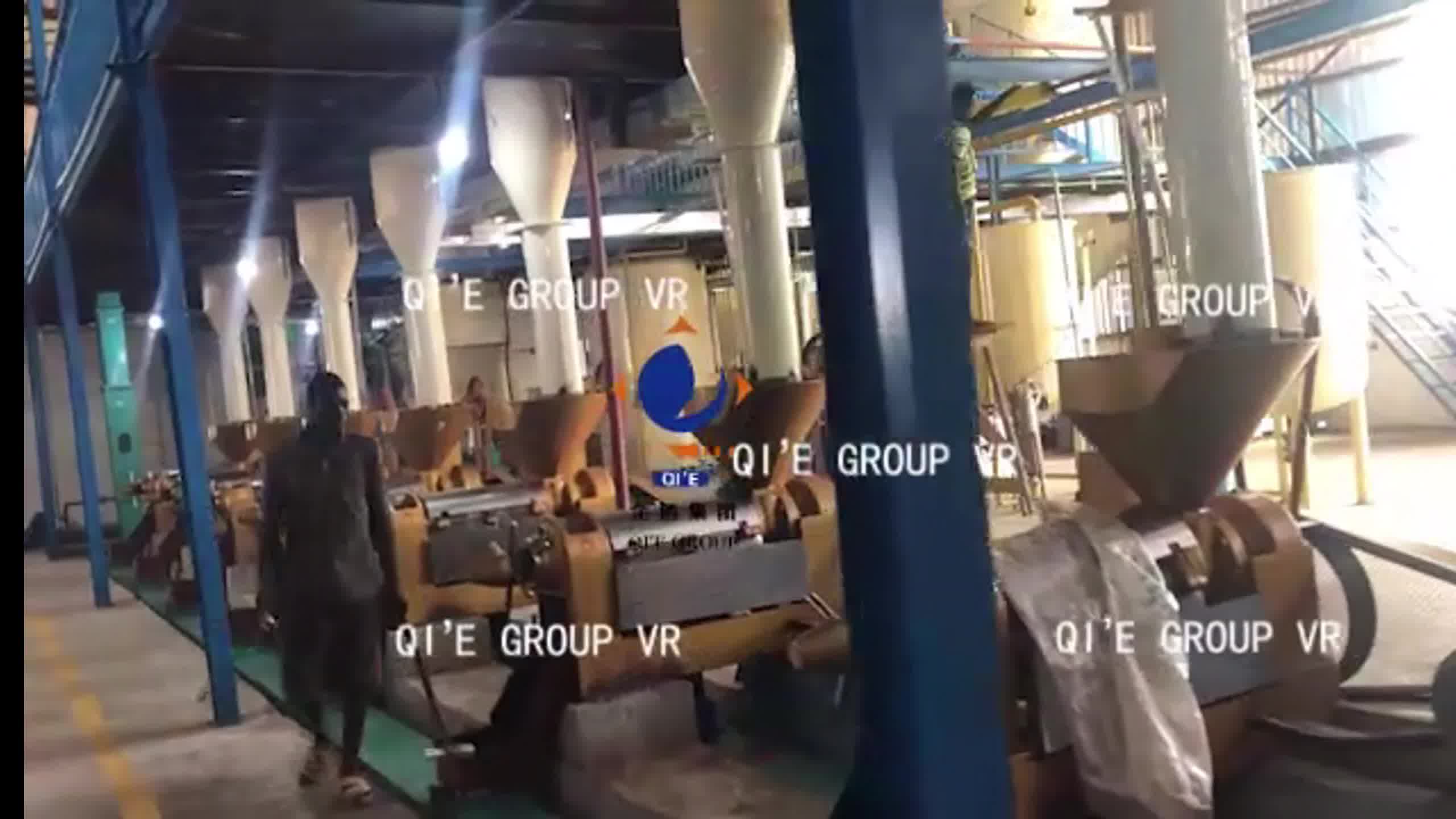
The material quality directly impacts equipment lifespan and oil purity. Look for presses constructed with 304-grade stainless steel that offers:
Stainless steel construction typically extends equipment lifespan by 3-5 years compared to carbon steel alternatives, significantly reducing long-term replacement costs.
Modern oil presses incorporate variable frequency drives and optimized motor design that reduce energy consumption by up to 20% compared to older models. For a cooperative processing 500kg of peanuts daily, this translates to approximately $1,800 in annual electricity savings.
Look for equipment with modular components that allow for easy replacement of parts without extensive downtime. This feature is particularly valuable for合作社 with limited technical staff, as it enables routine maintenance and minor repairs to be performed in-house.
Real-world Impact:
"After switching to a modular industrial press, we reduced maintenance downtime from 8 hours weekly to less than 2 hours. This small change allowed us to increase our weekly production by 15% without adding any extra operating days." — Zhang Wei, Xinyang Agricultural Cooperative
Choose equipment that meets international quality standards. ISO 9001 certification ensures the manufacturer follows strict quality management processes, from design to production. This certification provides assurance that your equipment will perform consistently and meet your operational expectations.
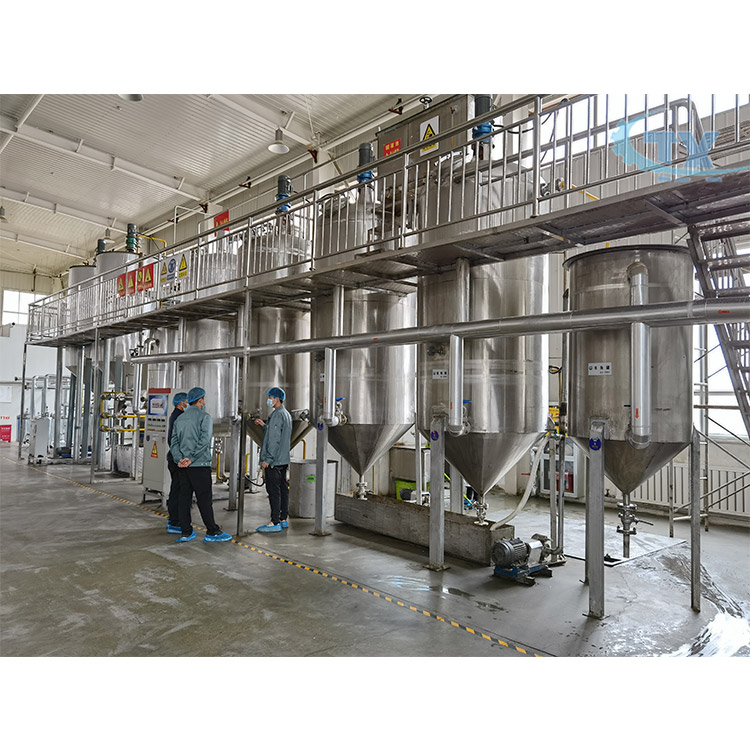
When evaluating oil press options, it's essential to look beyond the initial purchase price. Consider the total cost of ownership over a 5-year period, including:
企鹅集团 offers comprehensive after-sales support, including a 2-year warranty and global technical assistance, ensuring your investment is protected and your operations remain productive.
Discover how 企鹅集团's agricultural cooperative-specific oil press solutions can help you maximize oil yield, reduce operational costs, and build a sustainable processing operation.
Get Your Customized Processing SolutionAs you evaluate your options, consider this: the oil press you choose today will determine your cooperative's profitability for years to come. Will you continue losing potential revenue with inefficient equipment, or will you make the investment that transforms your processing operation into a profit center that benefits all your members?
 76
|
76
|
 large-scale oil press equipment selection
oil mill capacity matching
edible oil production line efficiency
vegetable oil processing equipment
oil extraction equipment energy saving
484
|
peanut oil press machine selection
energy-saving oil press maintenance
oil press machine technical parameters
intelligent peanut oil press recommendation
small and medium oil plant equipment
299
|
energy-efficient peanut oil refining equipment
peanut oil production line selection
small medium oil mill upgrade
cold pressing vs hot pressing
grain and oil machinery ROI analysis
74
|
peanut oil press machine maintenance
oil press machine troubleshooting
energy-efficient oil press
peanut oil extraction equipment
industrial oil press optimization
416
|
Energy - saving peanut oil refining equipment
Cold - pressing vs hot - pressing technology comparison
Grain and oil machinery export standards
Intelligent control production line
Environmental compliance certification
large-scale oil press equipment selection
oil mill capacity matching
edible oil production line efficiency
vegetable oil processing equipment
oil extraction equipment energy saving
484
|
peanut oil press machine selection
energy-saving oil press maintenance
oil press machine technical parameters
intelligent peanut oil press recommendation
small and medium oil plant equipment
299
|
energy-efficient peanut oil refining equipment
peanut oil production line selection
small medium oil mill upgrade
cold pressing vs hot pressing
grain and oil machinery ROI analysis
74
|
peanut oil press machine maintenance
oil press machine troubleshooting
energy-efficient oil press
peanut oil extraction equipment
industrial oil press optimization
416
|
Energy - saving peanut oil refining equipment
Cold - pressing vs hot - pressing technology comparison
Grain and oil machinery export standards
Intelligent control production line
Environmental compliance certification










.jpg?x-oss-process=image/resize,m_fill,h_800,w_800/format,webp)