
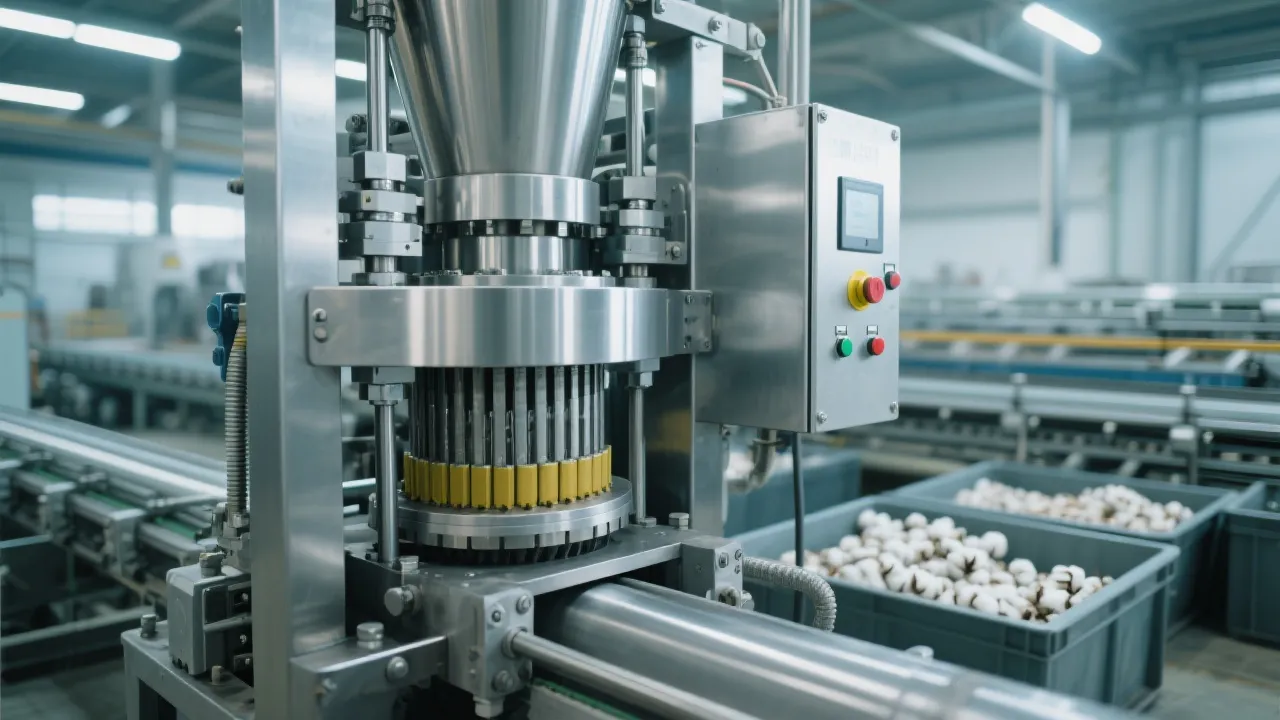
In the realm of agricultural production, selecting the right peanut oil press is crucial for agricultural cooperatives. Energy - saving peanut oil presses have emerged as a game - changer, offering significant benefits in terms of cost - reduction and efficiency improvement. This article will delve into the core technologies of these presses and their far - reaching impacts.
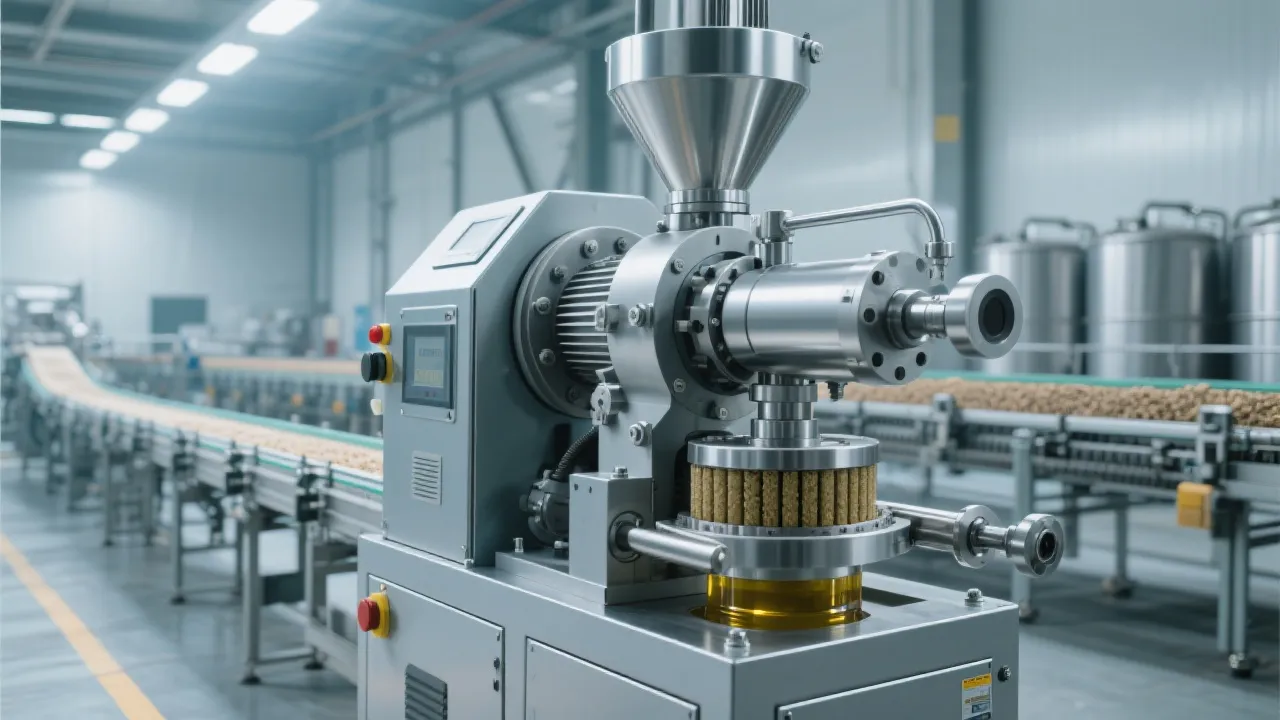
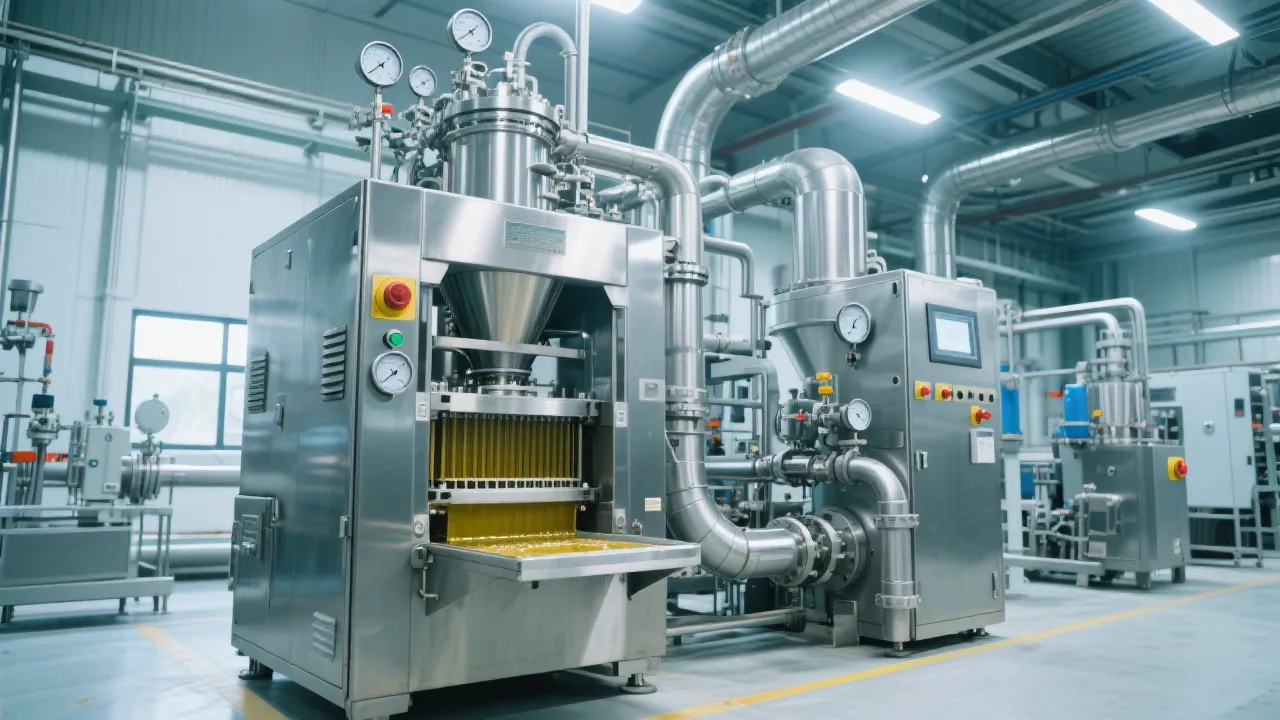
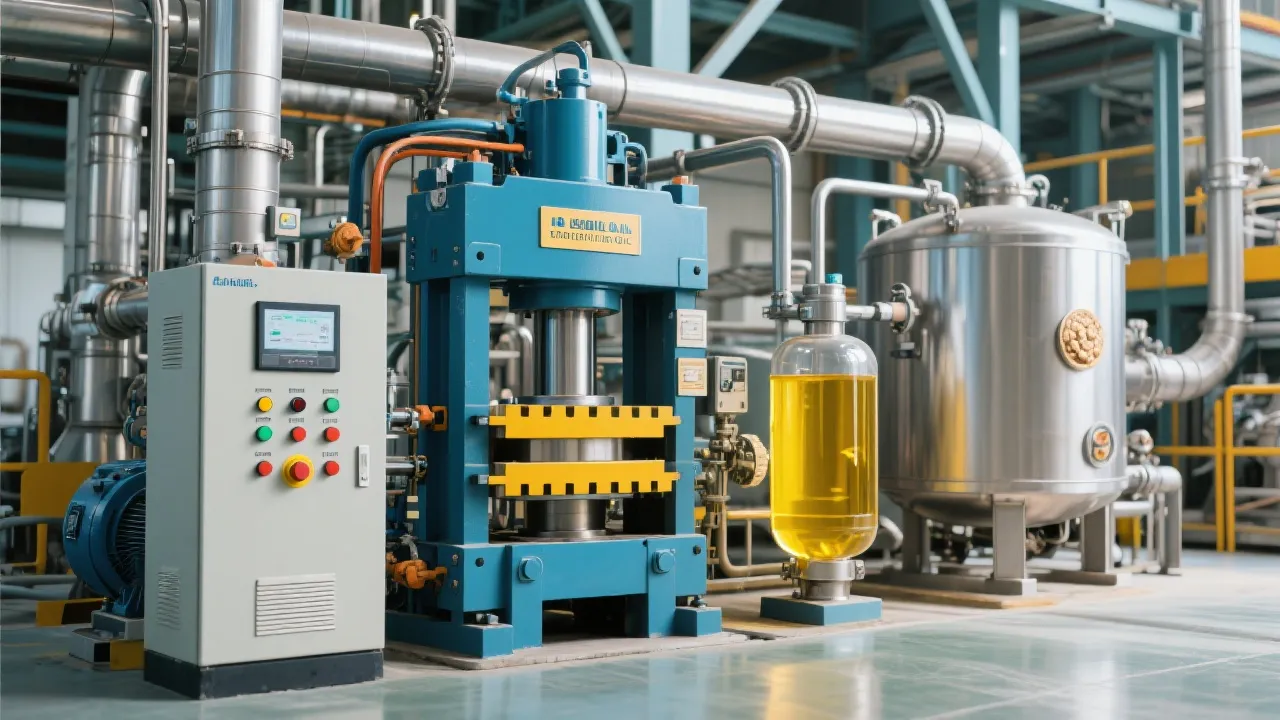
The energy - saving peanut oil press employs a series of advanced technologies. The intelligent control system, which integrates variable - frequency control and multi - stage temperature control, plays a pivotal role. Variable - frequency control allows the press to adjust its power output according to the actual workload. For example, when the peanut input is low, the press can automatically reduce its power consumption, thus saving energy. This technology can reduce the overall energy consumption of the press by more than 30% compared to traditional presses.
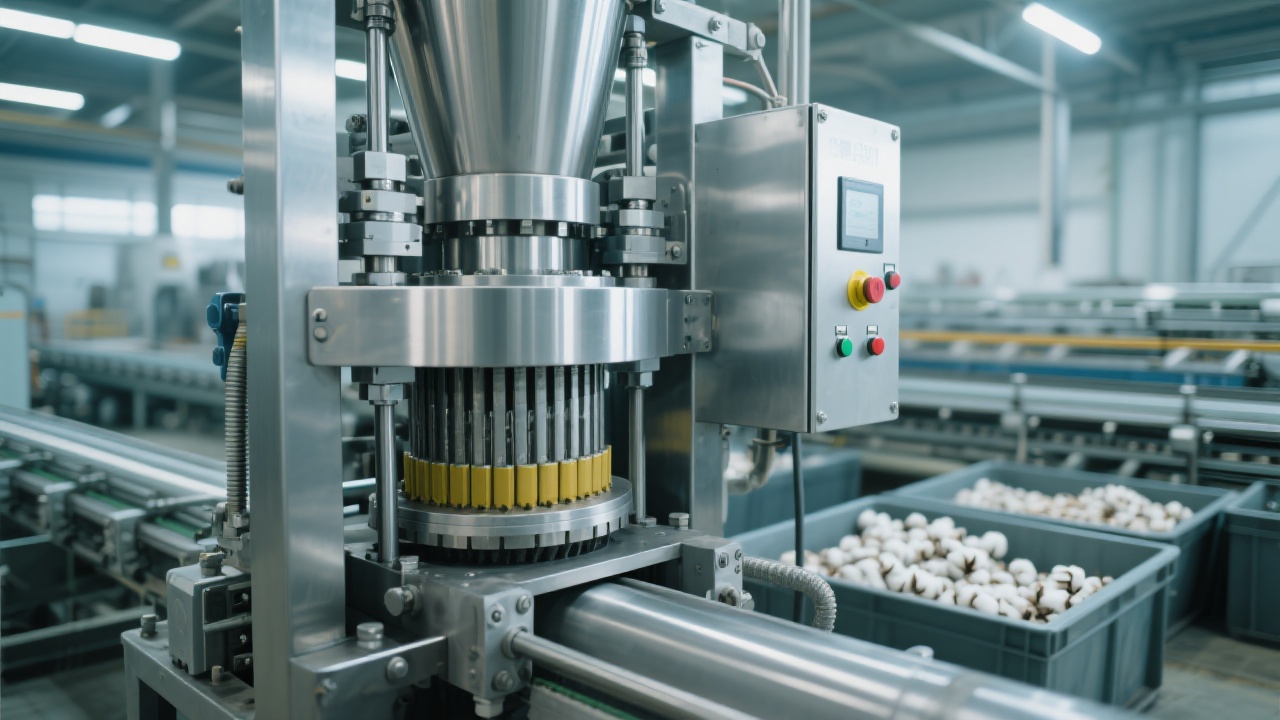
Multi - stage temperature control ensures that the peanuts are processed at the most appropriate temperature at each stage. This not only helps to improve the oil extraction rate but also maintains the quality of the peanut oil. With these technologies, the press can achieve a stable oil extraction rate of 98% - 100%.
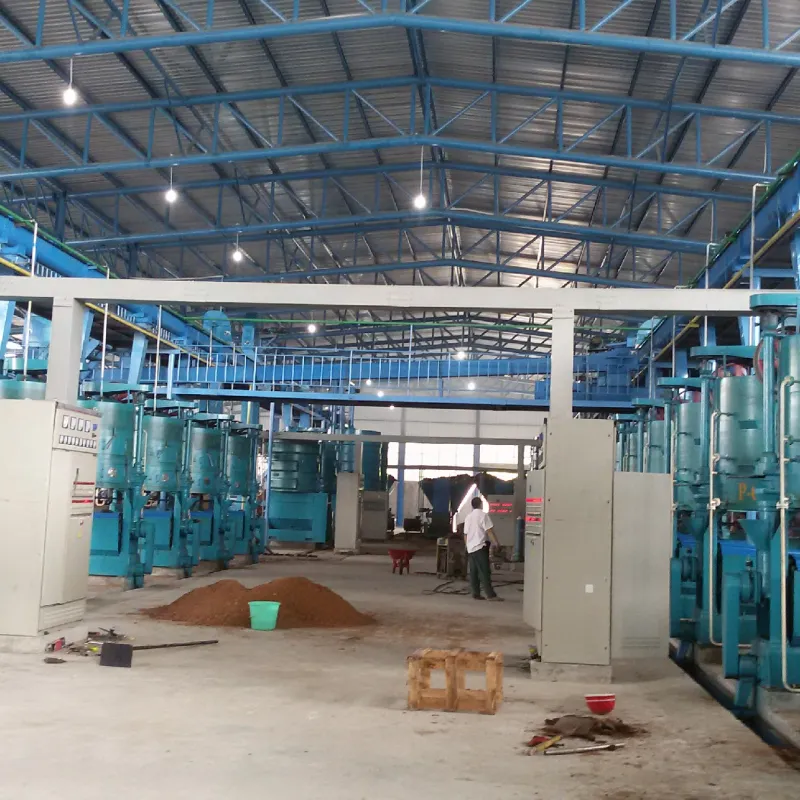
In emerging markets such as Africa and Southeast Asia, energy - saving peanut oil presses have been widely adopted by agricultural cooperatives. In Africa, a cooperative in Kenya reported that after replacing their old presses with energy - saving models, they were able to reduce their monthly energy bills by 35%. At the same time, the oil extraction rate increased from 95% to 99%, leading to a significant increase in their profit margins.
In Southeast Asia, a cooperative in Vietnam used these presses to meet the growing demand for high - quality peanut oil. The energy - saving feature allowed them to produce more oil with less energy, making their products more competitive in the market. The following table shows a comparison of the performance of traditional and energy - saving presses in these regions:
| Press Type | Energy Consumption Reduction | Oil Extraction Rate |
|---|---|---|
| Traditional Press | None | 90% - 95% |
| Energy - Saving Press | Over 30% | 98% - 100% |
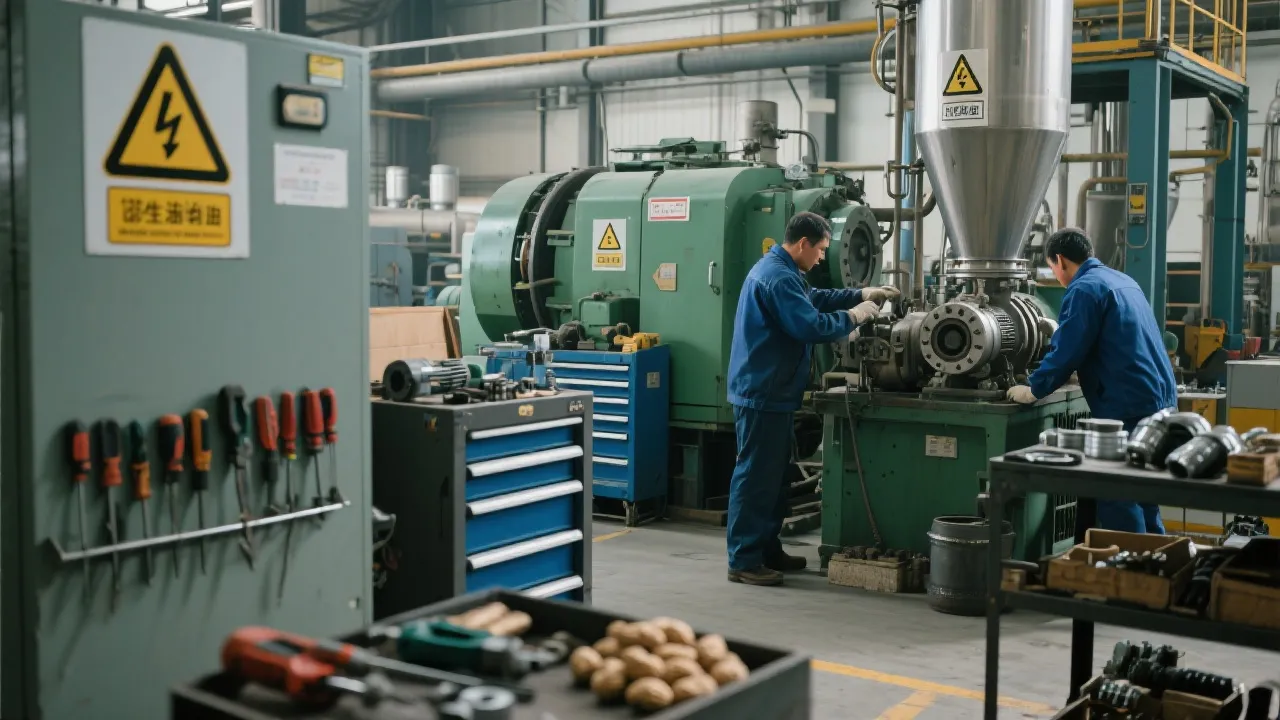
Proper maintenance is essential for the long - term performance of the energy - saving peanut oil press. Regular cleaning of the press components, checking the lubrication system, and timely replacement of worn - out parts can extend the service life of the press. For example, cleaning the oil filter every two weeks can prevent clogging and ensure smooth operation.
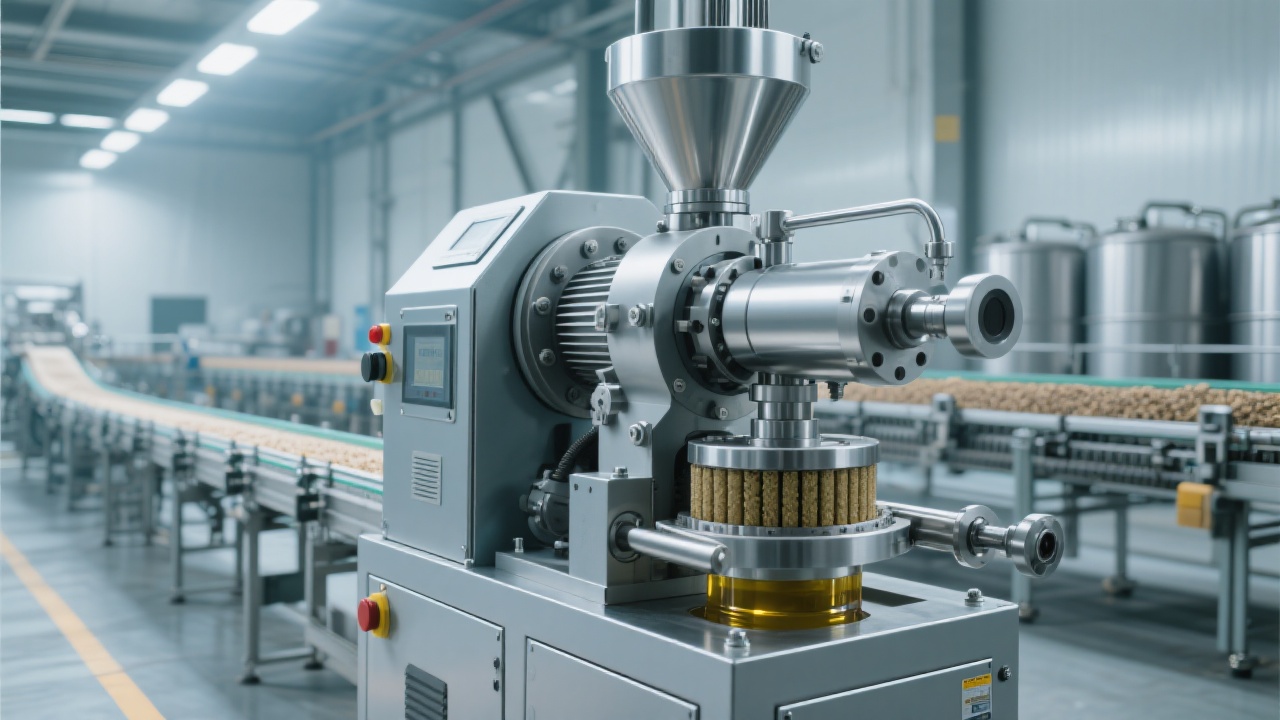
In the long run, using energy - saving presses can contribute to both profit growth and environmental compliance. By reducing energy consumption, agricultural cooperatives can lower their production costs. Moreover, these presses align with the global trend of green production, helping cooperatives to meet environmental regulations and enhance their brand image.
To strengthen customer trust and brand interaction, it is important to establish a user - participation and content - update mechanism. Sharing real - time data, success stories, and maintenance tips on the official website can keep users informed and engaged. For instance, posting monthly reports on energy savings and production improvements achieved by different cooperatives can inspire more users to choose energy - saving peanut oil presses.
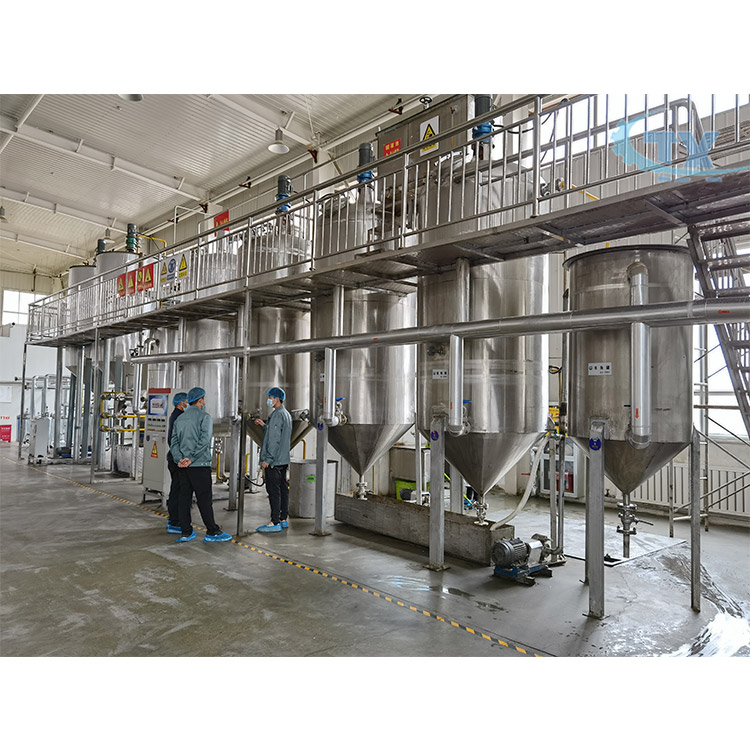
If you are an agricultural cooperative looking to upgrade your peanut oil production equipment, don't miss out on the opportunity to learn more about our energy - saving peanut oil presses. Visit our official website to get detailed product information and download our technical whitepaper, and take the first step towards more efficient and sustainable production.
 435
|
435
|
 smart sunflower oil extraction equipment
pressure control technology
oil extraction rate optimization
equipment maintenance guide
grain and oil processing machinery
345
|
peanut oil press selection
energy-efficient oil press maintenance
oil press technical parameters
high-efficiency oil extraction equipment
intelligent oil mill solutions
396
|
peanut oil press energy efficiency
smart control system for oil presses
energy saving in oil extraction
agricultural cooperative energy solutions
small to medium oil mill optimization
120
|
peanut oil press machine energy efficiency
low energy consumption oil press
smart control system for oil press
oil yield optimization technology
industrial oil extraction equipment
42
|
peanut oil press energy efficiency
small scale oil mill upgrades
intelligent oil pressing technology
oil extraction rate improvement
agricultural cooperative machinery
smart sunflower oil extraction equipment
pressure control technology
oil extraction rate optimization
equipment maintenance guide
grain and oil processing machinery
345
|
peanut oil press selection
energy-efficient oil press maintenance
oil press technical parameters
high-efficiency oil extraction equipment
intelligent oil mill solutions
396
|
peanut oil press energy efficiency
smart control system for oil presses
energy saving in oil extraction
agricultural cooperative energy solutions
small to medium oil mill optimization
120
|
peanut oil press machine energy efficiency
low energy consumption oil press
smart control system for oil press
oil yield optimization technology
industrial oil extraction equipment
42
|
peanut oil press energy efficiency
small scale oil mill upgrades
intelligent oil pressing technology
oil extraction rate improvement
agricultural cooperative machinery











.jpg?x-oss-process=image/resize,m_fill,h_800,w_800/format,webp)


