
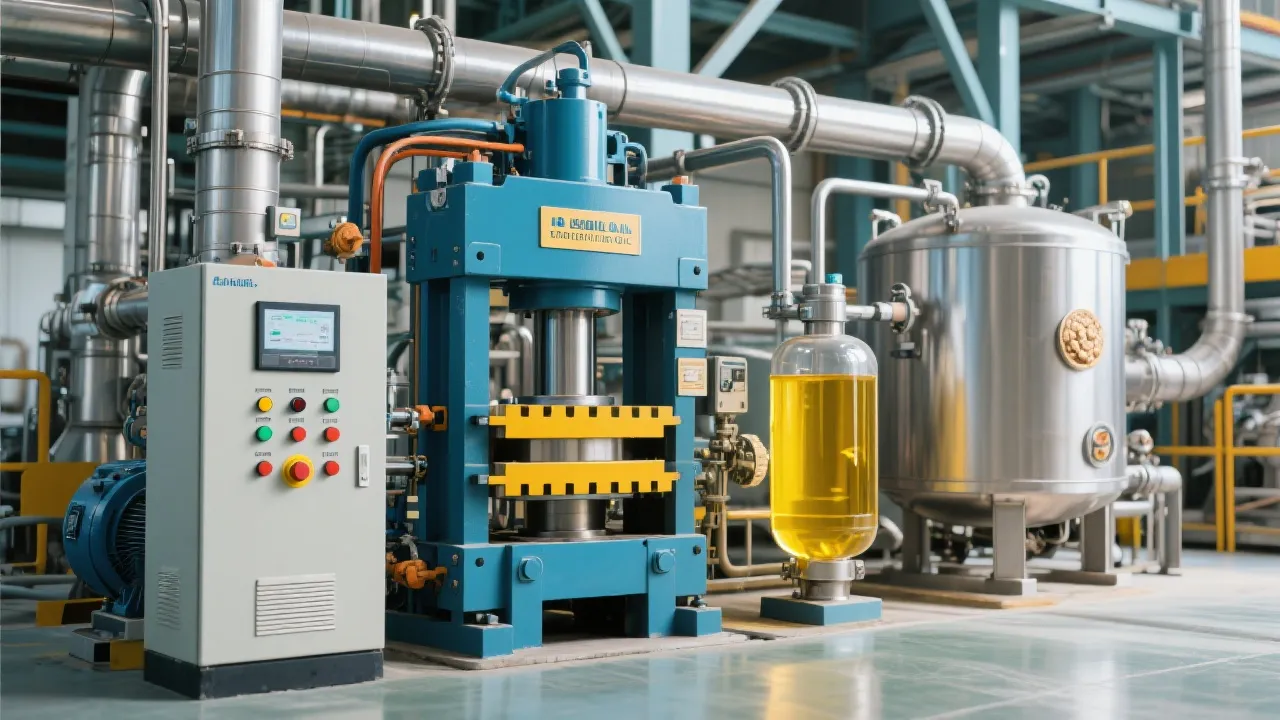
Traditional peanut oil pressing equipment often suffers from low efficiency and poor product quality. For example, the average manual or semi - automatic pressing process can only achieve an hourly output of about 500 tons. The oil extraction rate is also relatively low, usually around 40% - 45%. Moreover, these traditional methods are highly dependent on human operation, which leads to instability in the production process. In a large - scale production environment, these problems become more prominent, seriously affecting the overall production capacity and economic benefits.
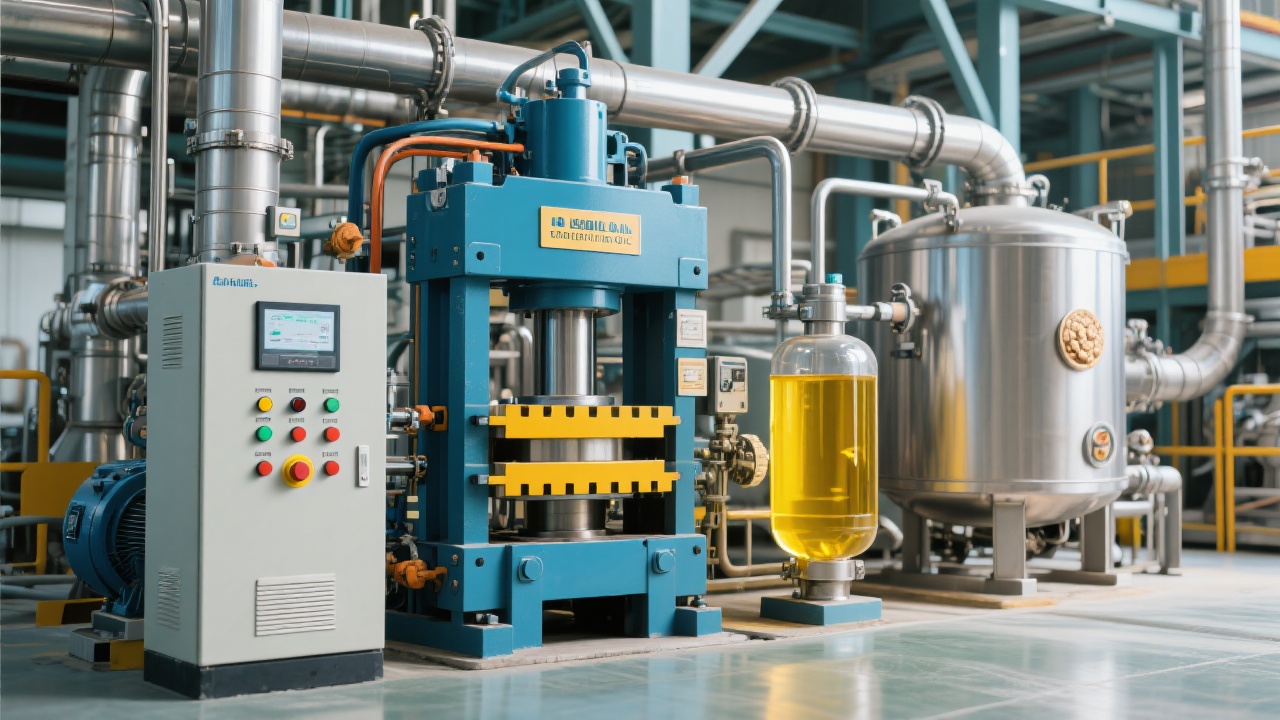
The intelligent control system for peanut oil pressing consists of two main parts: hardware and software. The hardware includes sensors, controllers, and actuators. Sensors are responsible for collecting various data during the pressing process, such as temperature, pressure, and oil flow rate. Controllers process these data and send commands to actuators to adjust the operation of the pressing equipment. The software part is the core of the system, which uses advanced algorithms to realize automatic process control, real - time data monitoring, and other functions.
Automatic Process Control: This module can automatically adjust the pressing parameters according to the raw material characteristics and production requirements. For example, it can adjust the pressing pressure and speed in real - time, which can increase the oil extraction rate to over 50% under a production capacity of 2000 tons per hour.
Real - time Data Monitoring: It continuously monitors key data such as temperature, pressure, and oil quality. Through a user - friendly interface, production managers and technical engineers can view these data in real - time. For instance, if the temperature exceeds the set range, the system will immediately send an alarm.
Fault Diagnosis: The system can quickly identify and diagnose faults in the pressing equipment. It can analyze the fault type and location based on the collected data, reducing the time for fault repair by about 30%.
Remote Maintenance: With the help of the Internet, technicians can remotely maintain and upgrade the system. This is especially useful for overseas customers, saving a lot of time and cost on on - site maintenance.
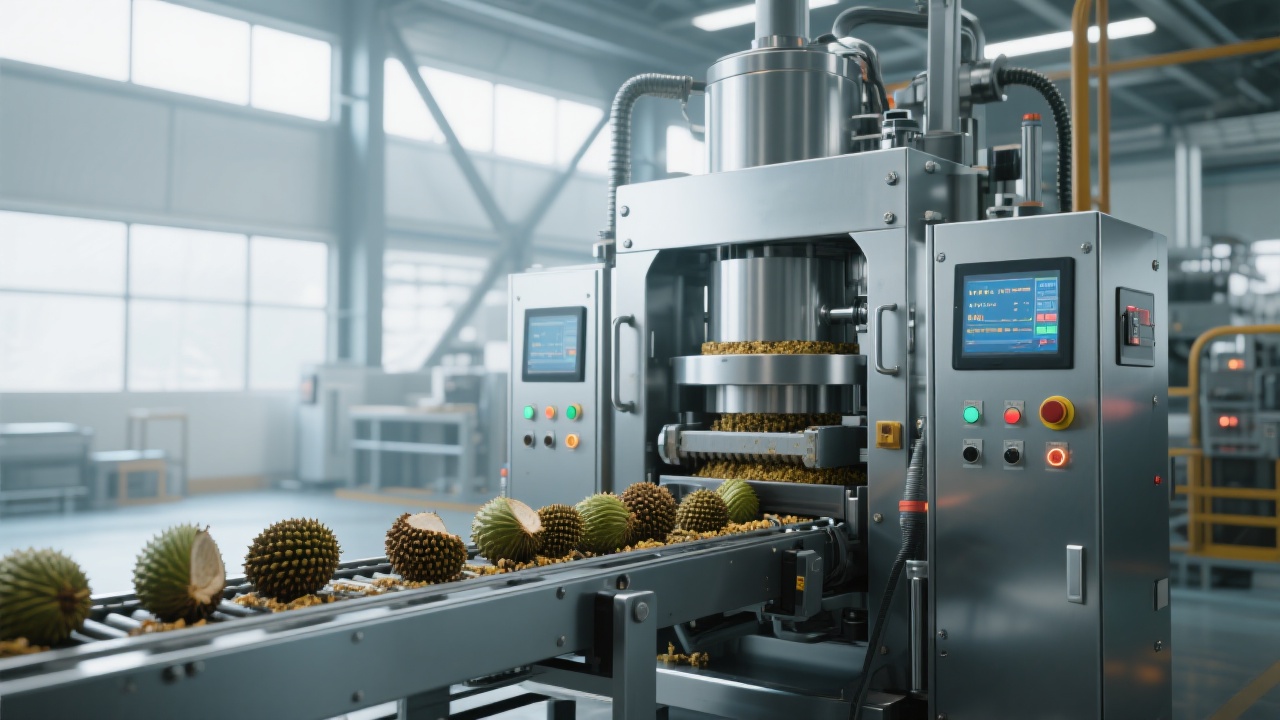
By integrating the requirements of ISO9001:2000 quality certification, the system ensures the stability and reliability of the production process. For example, it strictly controls the quality of raw materials, production processes, and finished products. This not only improves the product quality but also enhances the market competitiveness of the enterprise.
In Africa and Southeast Asia, the climate is often hot and humid, and power outages are common. Our intelligent control system has shown excellent performance in these complex working conditions. In a factory in Africa, after using our system, the energy consumption was reduced by 30%, and the system can automatically resume operation after a power outage, ensuring continuous production.
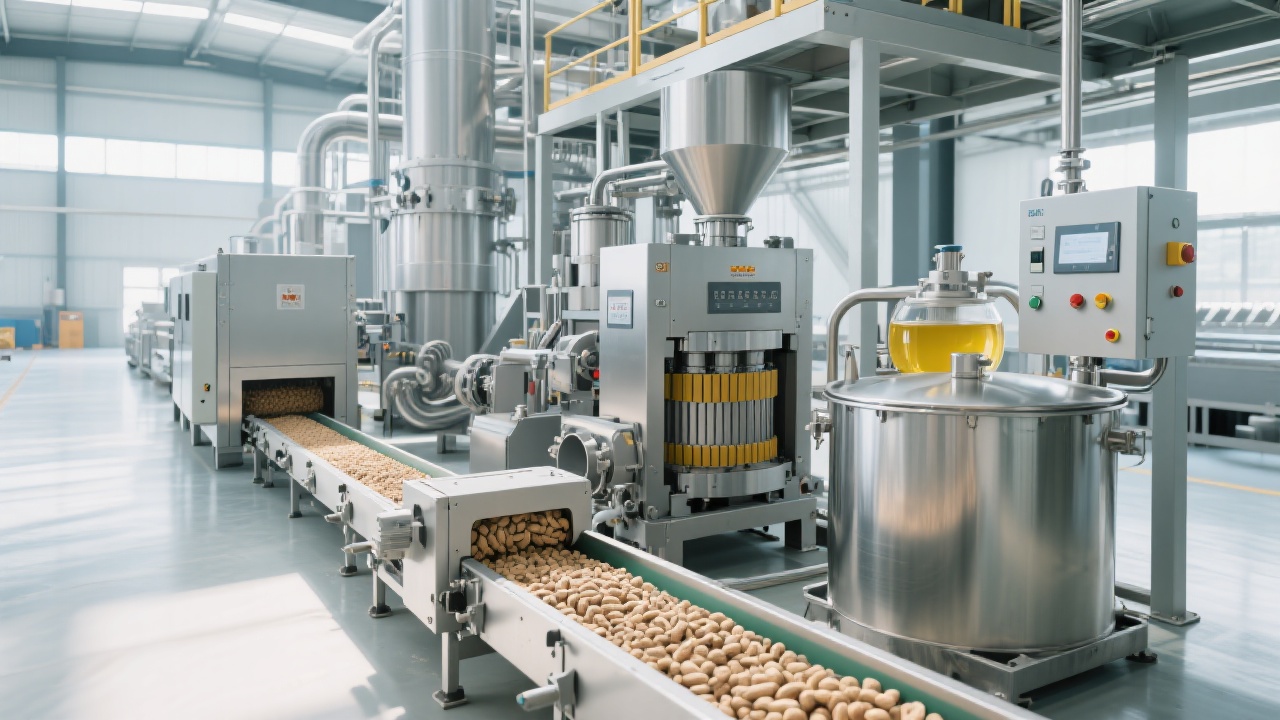
When implementing the intelligent control system, some key points need to be noted. For example, the alarm threshold settings should be reasonable according to the actual production situation. A too - low threshold may cause false alarms, while a too - high threshold may miss real faults. In addition, a remote maintenance preparation list should be prepared in advance, including necessary software and hardware tools.
The intelligent control system for peanut oil pressing can significantly improve both production efficiency and product quality. It can increase the hourly production capacity to 2000 tons and improve the oil extraction rate, making each ton of peanut oil production more efficient and stable. It has also successfully helped African and Southeast Asian customers achieve intelligent transformation.
Are you ready to upgrade your peanut oil pressing production? Click here to learn more about our intelligent control system and take your production to the next level!
 254
|
254
|
 intelligent control system
peanut oil press automation
remote maintenance for oil production
high-capacity oil extraction
ISO9001 quality management
401
|
intelligent pressure oil extraction equipment
high-strength wear-resistant materials
sunflower seed oil extraction machine
oil press maintenance guide
grain and oil processing equipment
83
|
Peanut oil press energy - saving technology
Intelligent temperature control system
Press energy consumption optimization
Agricultural cooperative oil - making equipment
Food processing energy - saving solutions
120
|
peanut oil press machine energy efficiency
low energy consumption oil press
smart control system for oil press
oil yield optimization technology
industrial oil extraction equipment
356
|
sunflower seed oil extractor maintenance
intelligent pressure oil extraction equipment
sunflower oil machinery fault diagnosis
grain and oil processing equipment maintenance schedule
sunflower seed oil press operating guide
intelligent control system
peanut oil press automation
remote maintenance for oil production
high-capacity oil extraction
ISO9001 quality management
401
|
intelligent pressure oil extraction equipment
high-strength wear-resistant materials
sunflower seed oil extraction machine
oil press maintenance guide
grain and oil processing equipment
83
|
Peanut oil press energy - saving technology
Intelligent temperature control system
Press energy consumption optimization
Agricultural cooperative oil - making equipment
Food processing energy - saving solutions
120
|
peanut oil press machine energy efficiency
low energy consumption oil press
smart control system for oil press
oil yield optimization technology
industrial oil extraction equipment
356
|
sunflower seed oil extractor maintenance
intelligent pressure oil extraction equipment
sunflower oil machinery fault diagnosis
grain and oil processing equipment maintenance schedule
sunflower seed oil press operating guide









.jpg?x-oss-process=image/resize,m_fill,h_800,w_800/format,webp)


