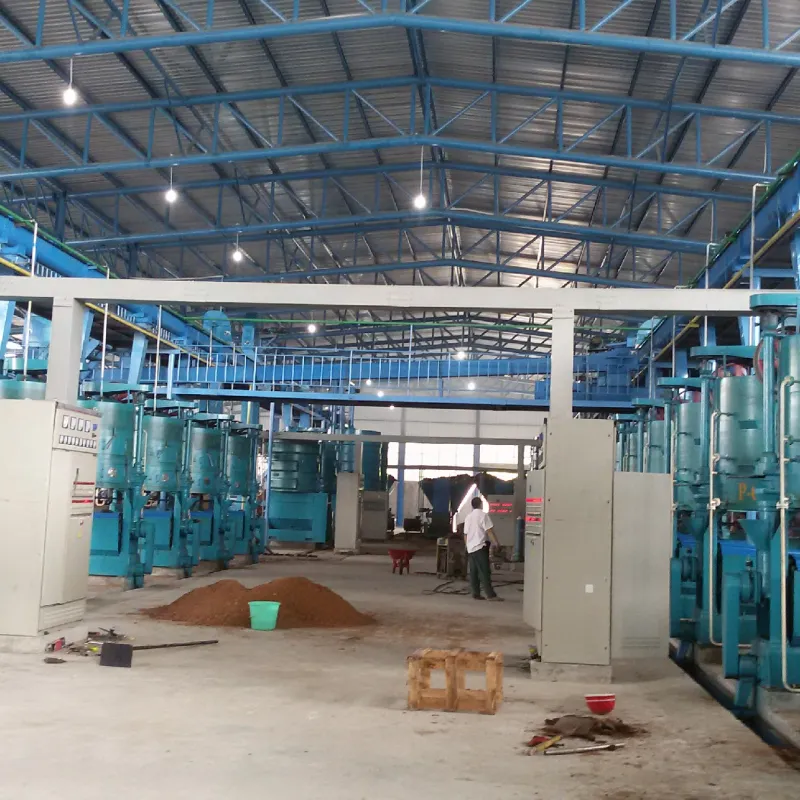
An automatic peanut oil production line combines peanut preparation, pressing, oil conveying, refining and intelligent control into an integrated processing system. Reliable operation depends not only on equipment selection, but also on disciplined inspection, correct process monitoring, regular cleaning and preventive maintenance.
This practical guide from Qi'e Grain and Oil Machinery Co., Ltd. is intended for production operators, site managers and maintenance personnel. It provides general guidance for reducing operating errors, unplanned downtime and avoidable equipment wear. Specific parameters, maintenance intervals, spare parts and repair procedures must always follow the equipment manual, project documentation and instructions from qualified engineers.
Before operating an automatic peanut oil production line, the team should understand the purpose of each stage and the relationship between upstream and downstream equipment. A typical line may include the following functional areas:
Cleaning, screening, shelling where applicable, crushing or flaking, and moisture conditioning help prepare peanuts for stable pressing.
The selected pressing method affects oil characteristics, throughput, residual oil in cake and the required process controls.
Pumps, pipelines, filters and intermediate tanks must work together to maintain smooth oil transfer and prevent contamination.
Refining equipment and the intelligent control system support consistent processing, coordinated operation and easier status monitoring.
Complete a pre-start inspection after installation, after an extended shutdown or whenever maintenance has been performed. Do not start the line until abnormal conditions have been identified and corrected.
Intelligent control can make operation more coordinated, but automation does not replace operator supervision. Personnel should compare control-panel information with the actual condition of the equipment and material flow.
| Area to Monitor | What to Observe | Recommended Response |
|---|---|---|
| Feeding and preparation | Stable feeding, material cleanliness and signs of blockage or bridging. | Adjust feeding or stop the relevant section safely if flow becomes abnormal. |
| Pressing equipment | Motor load, vibration, sound, temperature, cake discharge and oil flow. | Check material condition, feeding rate and equipment status before continuing. |
| Oil conveying | Pump operation, pipeline leakage, filter resistance and tank levels. | Inspect valves, filters and connections using the approved isolation procedure. |
| Refining section | Flow continuity, heating or cooling status, tank condition and control alarms. | Follow the process documentation and do not bypass alarms without authorization. |
Cleaning is essential for maintaining oil quality, preventing cross-contamination and reducing the risk of material accumulation. Cleaning procedures should be adapted to the equipment material, process design and local food-processing requirements.
Correct lubrication reduces friction and helps protect bearings, gearboxes and other moving components. Using too much lubricant, the wrong lubricant or an unsuitable cleaning method can also cause problems. Always use the lubricant type, quantity and application method specified for the installed equipment.
Inspect fasteners, guards, leaks, noise, vibration, temperature, sensors and visible wear during scheduled checks.
Review the condition of filters, seals, belts, screens and other wear parts, and replace them according to actual condition and manufacturer guidance.
Keep control cabinets clean and dry, inspect connections safely and verify that alarms and emergency-stop functions remain available.
Record the date, equipment section, observed condition, action taken, replacement part and responsible person.
Early identification of abnormal conditions is one of the most effective ways to prevent extended downtime. Operators should stop or isolate the affected section when there is a serious alarm, sudden vibration, burning smell, uncontrolled temperature change, severe leakage, blockage or unexpected equipment noise.
Safety reminder: Before inspection, cleaning, blockage removal or repair, shut down the equipment, isolate all relevant energy sources and confirm that moving, heated, pressurized and electrically powered components are safe to access. Only trained and authorized personnel should perform servicing.
Do not bypass protective devices, open guarded areas during operation or restart equipment before the cause of a fault has been assessed. When a fault cannot be identified or corrected safely on site, contact qualified maintenance personnel or the equipment supplier.
A simple and consistent record system helps site managers identify recurring problems and plan maintenance before a failure affects production. Useful records may include:
Qi'e Grain and Oil Machinery Co., Ltd. develops and supplies oil pressing equipment, oil production line equipment and edible oil refining equipment for customers in Asia, Africa, South America and other international markets. Its automatic peanut oil production line can be configured for different processing scales and may integrate cold pressing, hot pressing, refining and intelligent control according to project requirements.
From process design and equipment installation to technical support and after-sales service, Qi'e Grain and Oil Machinery Co., Ltd. works with agricultural enterprises, small and medium-sized oil mills and international trading companies to support practical, efficient and reliable oil processing operations. For project-specific operating parameters or maintenance procedures, consult the supplied documentation and qualified Qi'e technical personnel.
 284
|
284
|
 oil press machine purchasing edible oil production line selection equipment supplier evaluation project delivery Qi'e Grain and Oil Machinery Co., Ltd.
261
|
edible oil production line equipment oil processing equipment oil pressing production line edible oil refining equipment Qi'e Grain and Oil Machinery Co., Ltd.
376
|
Qi'e Grain and Oil Machinery Co., Ltd. grain and oil processing equipment edible oil production line oil pressing equipment edible oil refining equipment
96
|
edible oil production line equipment oil pressing equipment edible oil refining equipment oil processing technology Qi'e Grain and Oil Machinery Co., Ltd.
377
|
Qi'e Grain and Oil Machinery Co., Ltd. food oil production line oil pressing equipment selection vegetable oil extraction process edible oil refining equipment
oil press machine purchasing edible oil production line selection equipment supplier evaluation project delivery Qi'e Grain and Oil Machinery Co., Ltd.
261
|
edible oil production line equipment oil processing equipment oil pressing production line edible oil refining equipment Qi'e Grain and Oil Machinery Co., Ltd.
376
|
Qi'e Grain and Oil Machinery Co., Ltd. grain and oil processing equipment edible oil production line oil pressing equipment edible oil refining equipment
96
|
edible oil production line equipment oil pressing equipment edible oil refining equipment oil processing technology Qi'e Grain and Oil Machinery Co., Ltd.
377
|
Qi'e Grain and Oil Machinery Co., Ltd. food oil production line oil pressing equipment selection vegetable oil extraction process edible oil refining equipment









.jpg?x-oss-process=image/resize,m_fill,h_800,w_800/format,webp)

.jpg?x-oss-process=image/resize,m_fill,h_800,w_800/format,webp)