

Qi'e Grain and Oil Machinery’s automatic peanut oil production line operation and maintenance guide provides a practical reference for site managers, production supervisors, operators, and maintenance personnel. It covers preparation before startup, production monitoring, cold- and hot-press operation, oil refining, intelligent control, shutdown cleaning, routine servicing, safe troubleshooting, and after-sales support requirements.
A consistent startup inspection helps operators identify abnormal conditions before production begins. The inspection should be completed by trained personnel and should follow the equipment documentation, site safety procedures, and the commissioning requirements provided by Qi'e Grain and Oil Machinery.
Check that pressing, oil transfer, refining, and auxiliary equipment are clean, correctly assembled, and free from visible damage or obstruction.
Confirm that electrical, heating, ventilation, material-feeding, oil-transfer, and other required connections are available and properly secured.
Verify that guards, emergency-stop devices, warning signs, fire-safety provisions, and access areas are in suitable condition before operation.
Peanut raw materials should be prepared according to the selected processing route and production requirements. Cleaning, conditioning, and other pretreatment steps should be adjusted by qualified technicians because raw material moisture, cleanliness, and quality can influence pressing stability and oil quality.
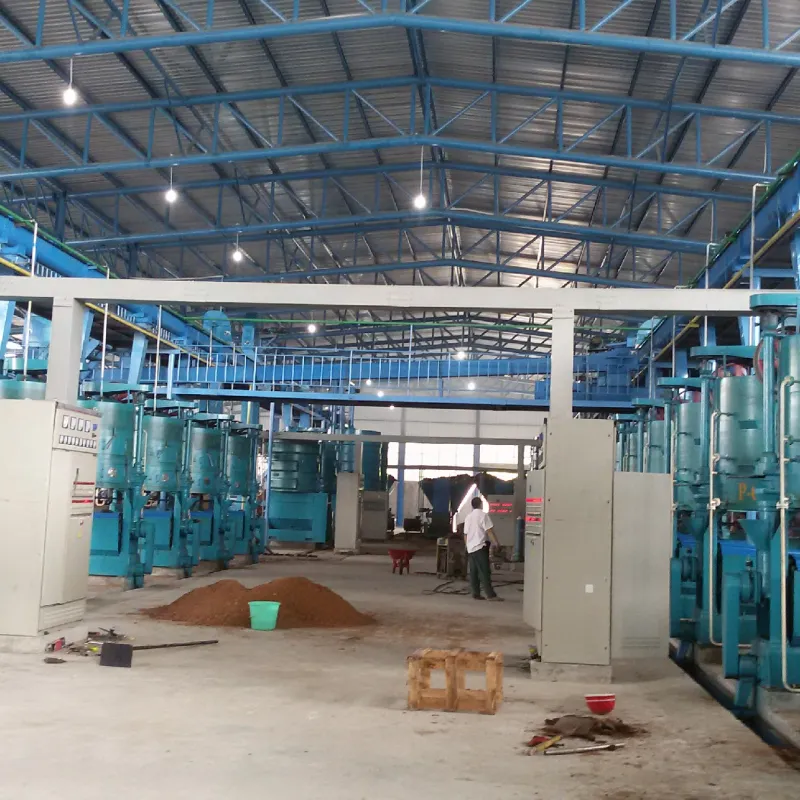
The automatic peanut oil production line combines pressing and refining equipment with an intelligent control system. Operators should monitor the production process through the control interface while also carrying out regular visual and operational checks. Automation can reduce routine manual work, but it does not replace supervision, cleaning, or preventive maintenance.
Operational reminder: Do not bypass safety interlocks, remove protective guards during operation, or clear a blockage while equipment is running. Stop the relevant equipment and follow the approved isolation and servicing procedure.
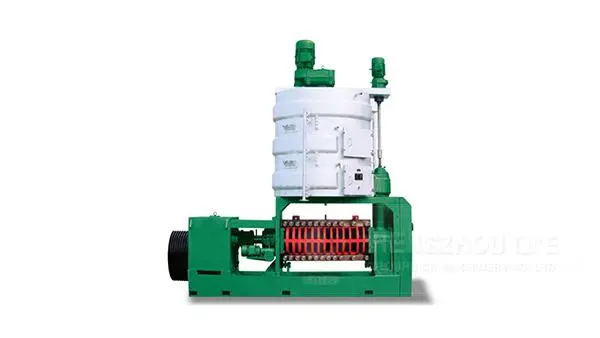
Qi'e Grain and Oil Machinery’s automatic peanut oil production line can be configured to incorporate cold-press and hot-press processing approaches. The appropriate process depends on the customer’s raw material, product objectives, production scale, and technical plan.
| Process area | Operator focus |
|---|---|
| Cold pressing | Maintain stable feeding and observe the press condition, oil flow, cake discharge, and cleanliness of the process area. |
| Hot pressing | Follow the approved conditioning and heating procedure, monitor the relevant process controls, and avoid operation outside the specified range. |
| Process changeover | Use the documented changeover sequence and clean or inspect product-contact areas as required before switching production conditions. |
The refining section is an important part of the complete peanut oil production system. It should be operated according to the process design and the technical instructions supplied for the specific configuration. Operators should confirm that each refining stage is ready before feeding oil into the next stage.
A controlled shutdown helps protect equipment and prepares the automatic peanut oil production line for the next operating cycle. The exact order should follow the supplied operating manual and the site’s safety procedure.
Complete or stop raw-material feeding in the approved sequence and allow the process to reach a safe emptying condition where applicable.
Shut down presses, transfer equipment, refining equipment, and auxiliary systems according to the operating instructions.
Remove residual material and oil from accessible product-contact areas after equipment has stopped and safe conditions have been confirmed.
Document alarms, abnormal sounds, leaks, cleaning findings, and maintenance actions for the next production cycle.
Routine servicing should include inspection of fasteners, guards, seals, pipelines, electrical connections, lubrication points, sensors, and other components specified by the equipment documentation. Maintenance intervals should be determined by the actual operating environment, production schedule, and manufacturer recommendations.
When an alarm or abnormal condition occurs, operators should first protect personnel and equipment. Stop the affected section when necessary, identify the alarm information, and contact qualified maintenance personnel. Troubleshooting should not involve unauthorized modification of control logic, safety devices, or equipment structure.
Reliable operation depends on both equipment design and disciplined site management. Operators should receive training covering startup, production monitoring, intelligent control, cleaning, emergency response, and safe maintenance. Site managers should also maintain operating records and ensure that only authorized personnel perform servicing or electrical work.
Qi'e Grain and Oil Machinery provides support covering project design, installation, technical service, and after-sales assistance. For a new project, expansion, or persistent operating issue, customers should provide the equipment configuration, operating condition, alarm information, and maintenance history so that the technical team can assess the situation more effectively.
Proper inspection, controlled operation, timely cleaning, and documented maintenance help keep an automatic peanut oil production line stable, safe, and suitable for different production requirements. Qi'e Grain and Oil Machinery works with agricultural enterprises, small and medium-sized oil mills, and international trading partners to develop practical oil processing solutions based on project conditions and service needs.
 253
|
253
|
 Qi'e Grain and Oil Machinery Co., Ltd. grain and oil machinery oil production line oil pressing equipment edible oil refining equipment
377
|
Qi'e Grain and Oil Machinery Co., Ltd. food oil production line oil pressing equipment selection vegetable oil extraction process edible oil refining equipment
167
|
cold press oil machine hot press technology vegetable oil solvent extraction oil yield Qi'e Grain and Oil Machinery Co., Ltd.
252
|
Qi'e Grain and Oil Machinery Co., Ltd. grain and oil machinery solutions oil pressing equipment edible oil production line edible oil refining equipment
276
|
edible oil processing equipment oil pressing equipment oil solvent extraction equipment edible oil refining equipment oil production line Qi'e Grain and Oil Machinery
Qi'e Grain and Oil Machinery Co., Ltd. grain and oil machinery oil production line oil pressing equipment edible oil refining equipment
377
|
Qi'e Grain and Oil Machinery Co., Ltd. food oil production line oil pressing equipment selection vegetable oil extraction process edible oil refining equipment
167
|
cold press oil machine hot press technology vegetable oil solvent extraction oil yield Qi'e Grain and Oil Machinery Co., Ltd.
252
|
Qi'e Grain and Oil Machinery Co., Ltd. grain and oil machinery solutions oil pressing equipment edible oil production line edible oil refining equipment
276
|
edible oil processing equipment oil pressing equipment oil solvent extraction equipment edible oil refining equipment oil production line Qi'e Grain and Oil Machinery









.jpg?x-oss-process=image/resize,m_fill,h_800,w_800/format,webp)
