

In today's competitive edible oil industry, efficiency, quality, and reliability are the cornerstones of successful production. The automatic peanut oil production line represents the pinnacle of modern processing technology, integrating advanced machinery with intelligent control systems to deliver consistent results. This comprehensive guide explores the critical technical aspects of peanut oil production, from raw material preparation to final packaging, highlighting key control points and innovative solutions that drive operational excellence.
An efficient peanut oil production line typically comprises four main stages: preprocessing, oil extraction, refining, and packaging. Each stage requires precise control and coordination to ensure maximum oil yield while maintaining product quality. Modern lines equipped with PLC control systems can achieve an average oil extraction rate of 42-45% from high-quality peanuts, significantly higher than traditional methods which typically yield 35-38%.
Industry Insight:
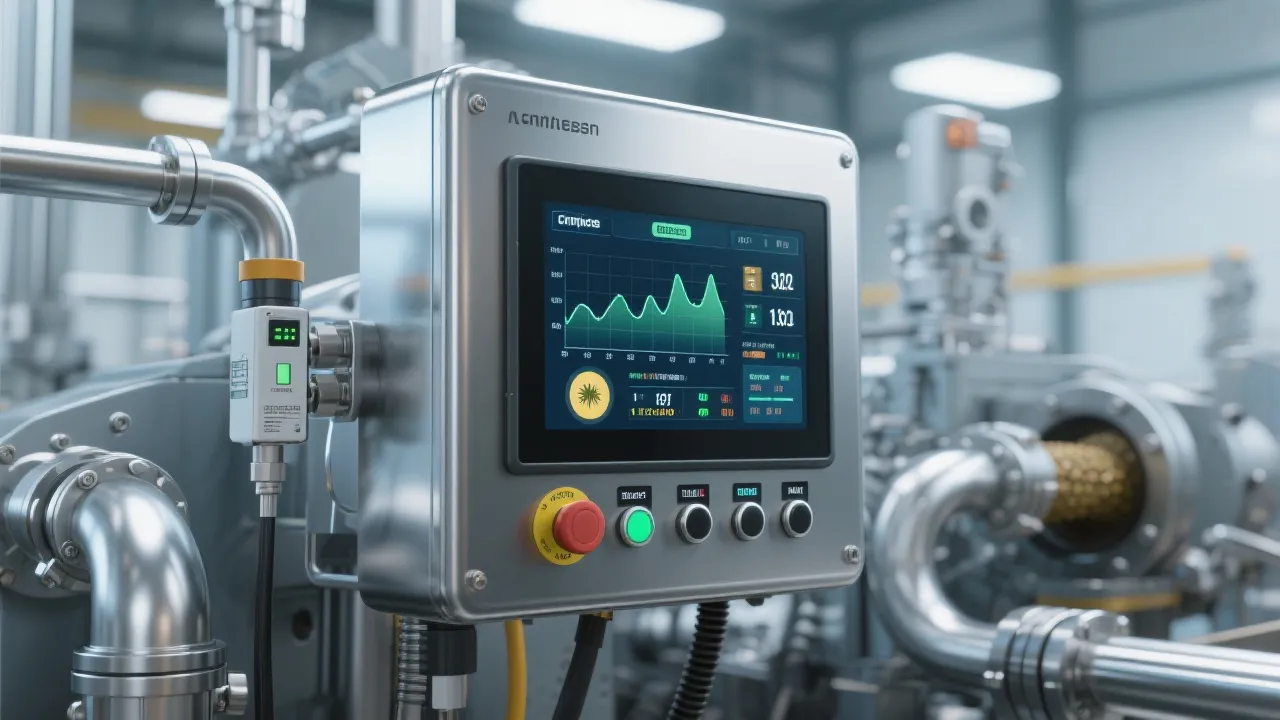
According to recent industry data, automated production lines reduce labor costs by 60-70% compared to manual operations while increasing throughput by up to 50%. The PLC control system acts as the "brain" of the operation, enabling real-time monitoring and adjustment of critical parameters.
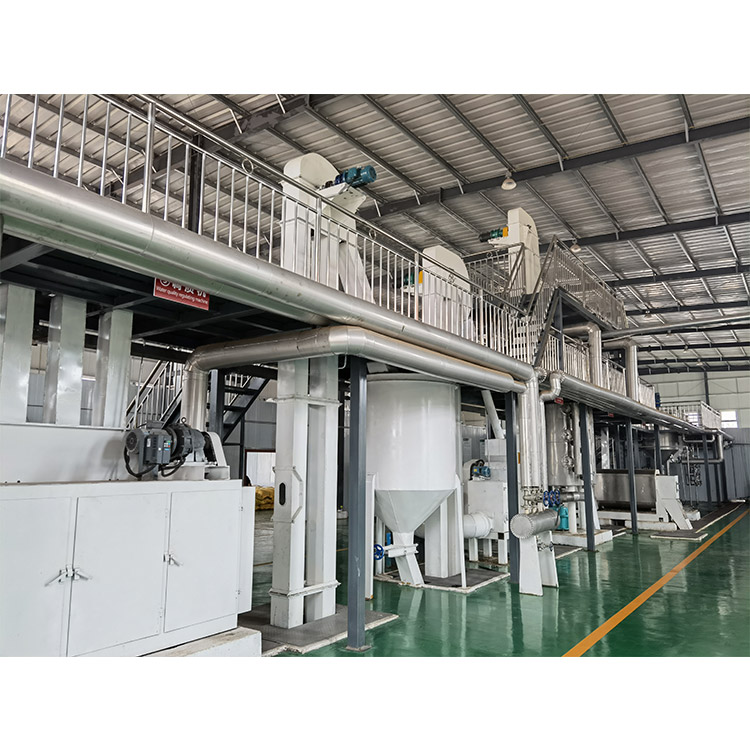
The preprocessing stage is critical for ensuring the quality of the final oil product. This phase includes cleaning, shelling, roasting, and crushing. Effective stone removal and magnetic separation can reduce impurity levels to below 0.1%, preventing damage to downstream equipment and ensuring oil purity.
Optimal roasting temperature control (typically between 160-180°C) directly impacts oil yield and flavor development. The penguin group has developed proprietary roasting technology that achieves uniform heat distribution, resulting in a 3-5% increase in oil yield compared to conventional roasting methods.
The heart of the production line lies in the oil extraction process, where the screw oil press plays a central role. Modern screw presses operate at pressures up to 60 MPa and rotational speeds of 40-60 rpm, efficiently separating oil from the peanut meal. The integration of a centrifugal separator immediately after pressing helps remove fine particles and moisture, reducing the load on subsequent refining processes.

Crude peanut oil undergoes several refining steps to remove impurities and improve stability. The degumming and deacidification processes are particularly crucial. Modern degumming and deacidification equipment can reduce phospholipid content to less than 50 ppm and free fatty acids to below 0.1%, ensuring the oil meets international quality standards.
Temperature control during refining is paramount. A variation of just ±2°C can affect the effectiveness of the process. PLC-controlled systems maintain temperature stability within ±0.5°C, significantly improving refining efficiency and product consistency.
Even the most advanced production lines face operational challenges. Temperature fluctuations, equipment failures, and impurity issues can disrupt production and affect product quality. Here are practical solutions to common problems:
| Common Issue | Potential Cause | Solution |
|---|---|---|
| Temperature fluctuations | Heating element malfunction, sensor drift | Implement dual-sensor verification; scheduled calibration every 3 months |
| Reduced oil yield | Incorrect moisture content, worn screw press components | Optimize preprocessing drying; establish wear part replacement schedule |
| Excessive impurity levels | Screen damage, separator imbalance | Install automatic screen monitoring; balance check every 500 operating hours |
Maintaining production line stability requires a proactive approach to maintenance and process optimization. Implementing a preventive maintenance schedule can reduce unplanned downtime by up to 40%. Key maintenance activities include regular lubrication of moving parts, calibration of sensors, and inspection of wear components.
Quality control should be integrated at every stage of production. From incoming raw material testing to final product analysis, establishing clear quality parameters ensures consistent product quality. Online monitoring systems can detect deviations in real-time, allowing for immediate corrective action before quality issues escalate.
Discover how the penguin group's advanced automatic peanut oil production solutions can 提升产线效率 (increase production efficiency) by 30% and 保障油品质量 (ensure oil quality) while reducing operational costs.
Request a Custom Production Line AssessmentAs the edible oil industry continues to evolve, staying ahead requires investment in technology that balances efficiency, quality, and sustainability. The integration of advanced machinery with intelligent control systems not only improves operational performance but also positions producers to meet the increasing demands of global markets. By focusing on the critical control points outlined in this guide, manufacturers can achieve consistent production results and maintain a competitive edge in the industry.
 372
|
372
|
 peanut oil refining equipment
energy-efficient oil processing
smart oil extraction technology
automated peanut oil production line
green food machinery
66
|
peanut oil press machine selection
energy-saving oil press maintenance
oil press technical specifications
green intelligent oil extraction equipment
small and medium oil processing equipment
483
|
peanut oil press machine selection
energy-saving oil press maintenance
oil press technical specifications
agricultural cooperative equipment
peanut oil production efficiency
383
|
peanut oil press energy saving
low energy consumption oil press
small oil mill equipment upgrade
intelligent press system
energy efficient oil processing equipment
58
|
peanut oil production line
intelligent control system
equipment selection
grain and oil processing equipment
production line installation
peanut oil refining equipment
energy-efficient oil processing
smart oil extraction technology
automated peanut oil production line
green food machinery
66
|
peanut oil press machine selection
energy-saving oil press maintenance
oil press technical specifications
green intelligent oil extraction equipment
small and medium oil processing equipment
483
|
peanut oil press machine selection
energy-saving oil press maintenance
oil press technical specifications
agricultural cooperative equipment
peanut oil production efficiency
383
|
peanut oil press energy saving
low energy consumption oil press
small oil mill equipment upgrade
intelligent press system
energy efficient oil processing equipment
58
|
peanut oil production line
intelligent control system
equipment selection
grain and oil processing equipment
production line installation







.jpg?x-oss-process=image/resize,m_fill,h_800,w_800/format,webp)


.jpg?x-oss-process=image/resize,m_fill,h_800,w_800/format,webp)

