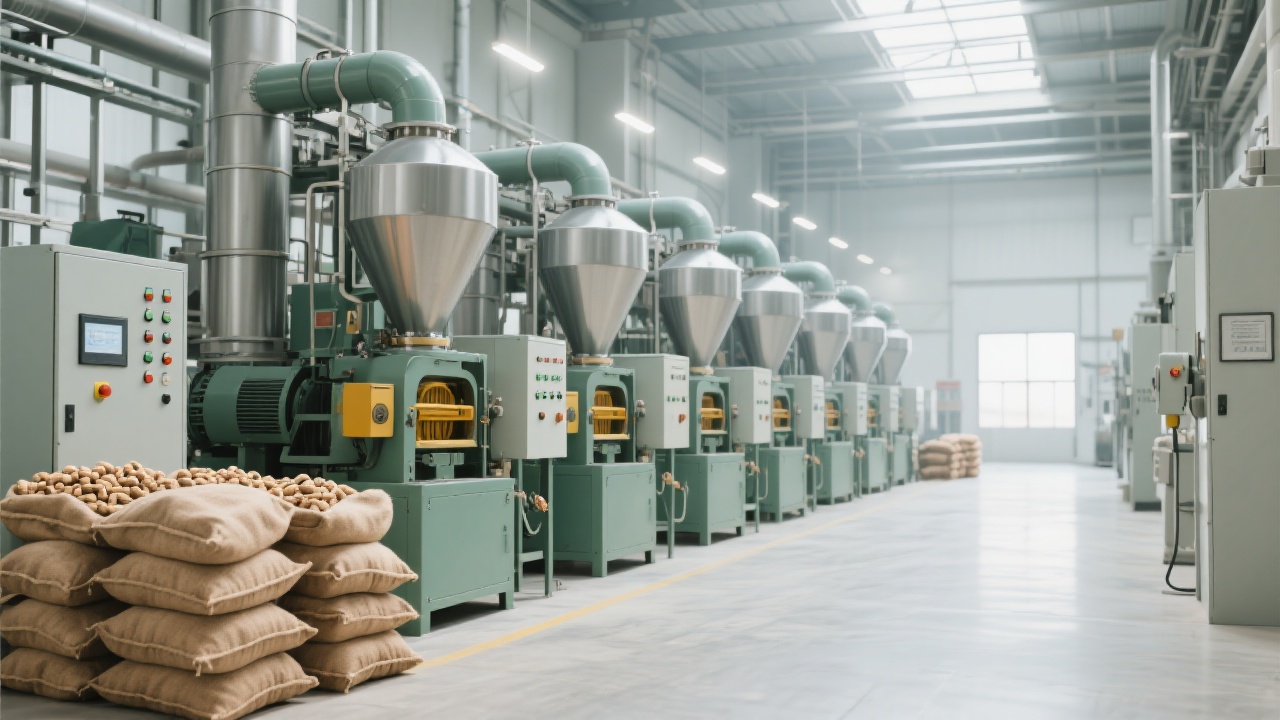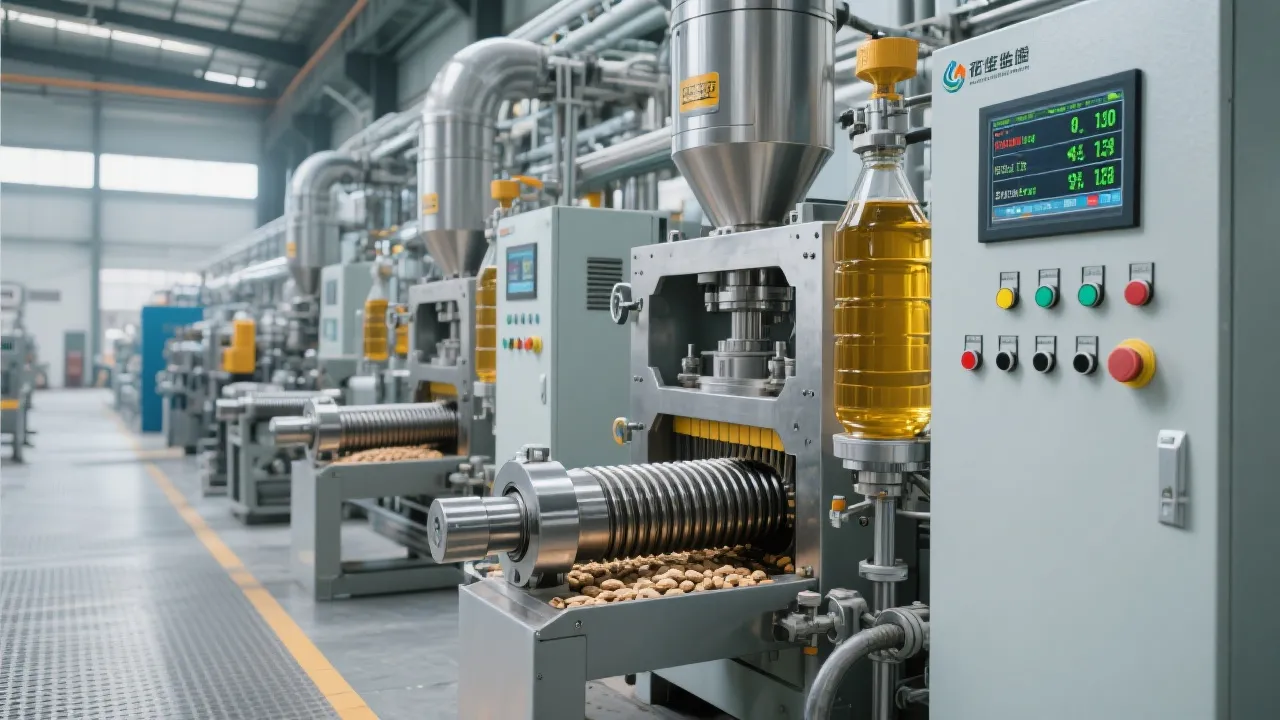
When it comes to maximizing output while minimizing energy usage, mastering the optimal use of your peanut oil pressing machine is paramount. With energy-saving technology and diligent maintenance, your equipment can achieve a stable oil yield ranging from 98% to 100%, while reducing energy consumption by over 30%. Whether you manage an agricultural cooperative or a small-scale oil mill, this guide offers you essential, practical insights—from smart equipment selection to everyday upkeep—that ensure you get the best return on your investment.
The first step toward better efficiency is selecting a machine that matches your production scale. Oversized presses can lead to unnecessary energy consumption, while undersized machines risk operational strain and lower output. For example, if your daily input volume is 500 kg of peanuts, opt for a press with a slightly higher capacity—around 600-700 kg per day—to handle fluctuations without compromising performance.
Machines built with industrial-grade materials and robust structural design can withstand variable climates, especially in regions like Africa or Southeast Asia where humidity and temperature fluctuate. Durable motors and frames reduce downtime caused by repairs, maintaining consistent oil extraction rates.
Your energy-saving oil press utilizes advanced pressure control and temperature regulation to optimize extraction. These features minimize energy wastage by adjusting operational parameters dynamically based on raw material input quality and environmental conditions.
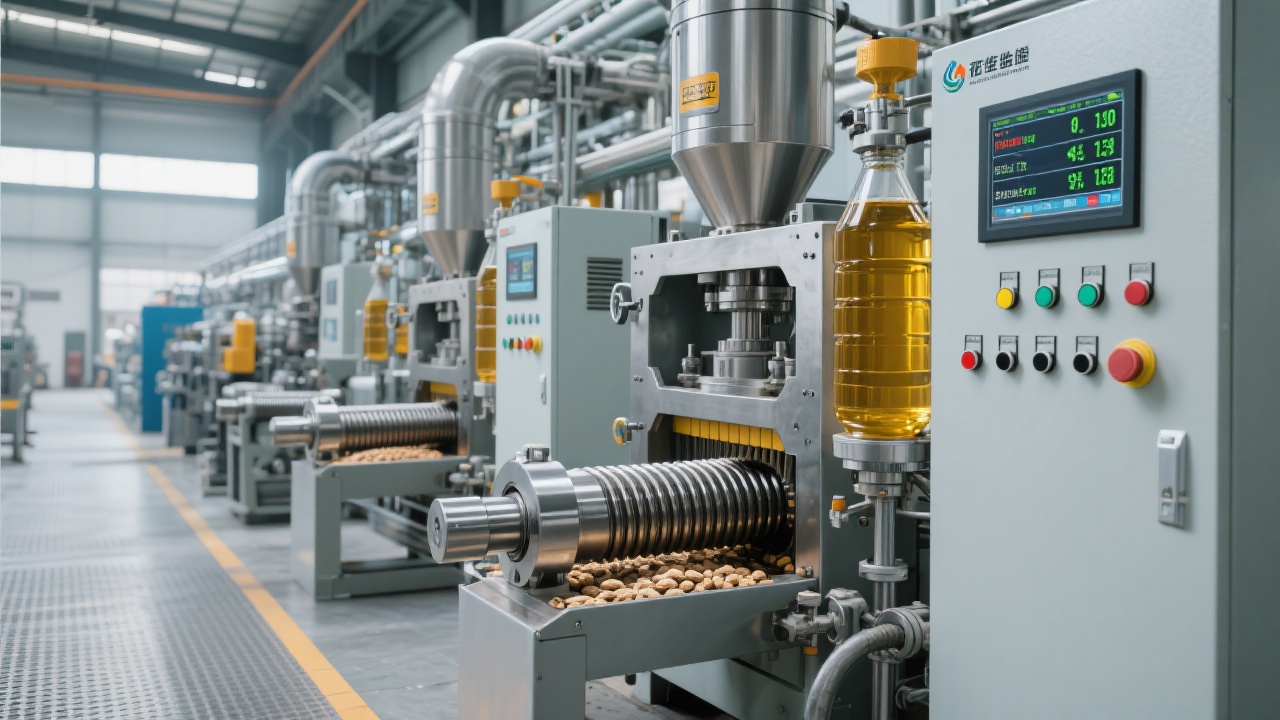
Consistent machine upkeep is critical for stable operation. Follow a maintenance schedule that includes:
| Maintenance Task | Frequency | Impact |
|---|---|---|
| Lubricate moving parts | Weekly | Reduces wear and tear, prevents breakdowns |
| Clean filter and pressing chamber | Biweekly | Maintains oil purity and output levels |
| Inspect belt tension and motor conditions | Monthly | Ensures smooth operation and energy efficiency |
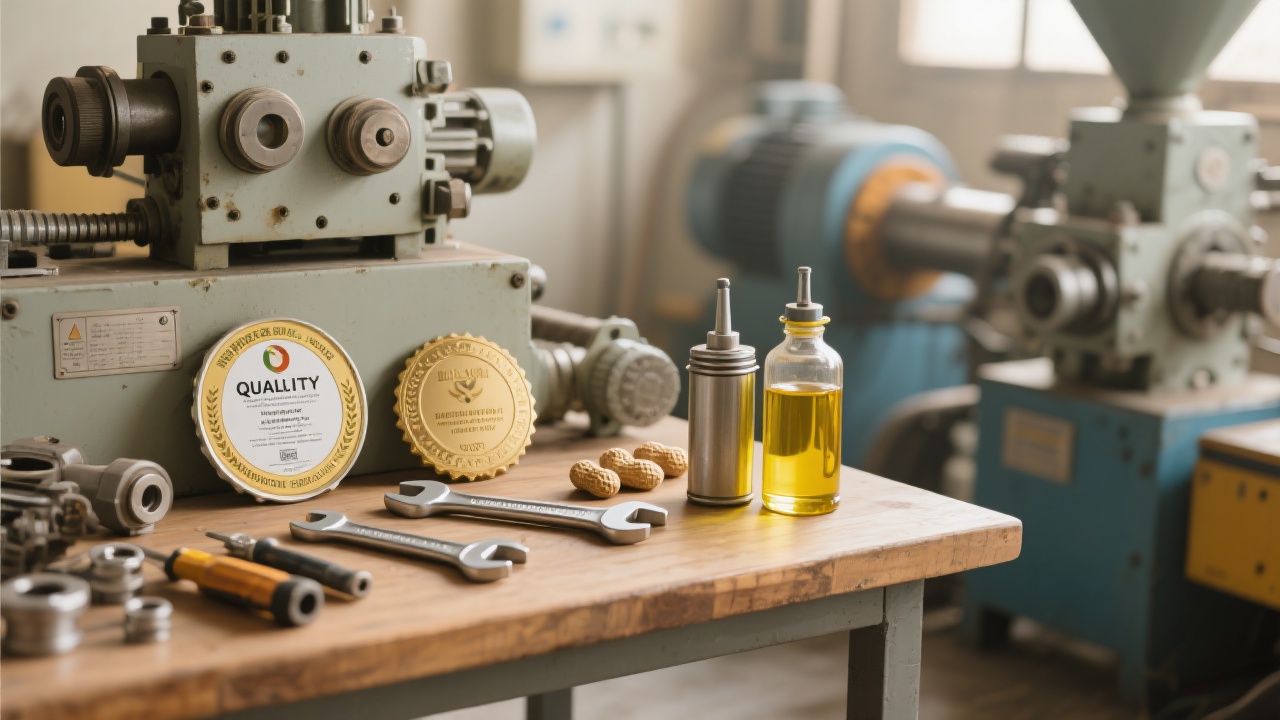
Encountering mechanical issues is inevitable, but swift troubleshooting minimizes downtime. Familiarize yourself with common faults such as overheating, inconsistent pressing pressure, or low output rates. Our experienced technical team offers remote diagnostics and on-site support to ensure your machine runs smoothly from installation through daily operation.