
When it comes to peanut oil production, choosing between cold-pressed and hot-pressed refining isn’t just a technical decision—it’s a strategic one that impacts yield, quality, cost, and even export compliance. But why do some processors swear by cold pressing while others prefer heat-based methods? Let’s break down the facts with real-world data.
At its core, cold-pressed oil extraction operates below 40°C (104°F), preserving natural enzymes, vitamins (like E and K), and delicate aromas. In contrast, hot-pressed systems use temperatures up to 100°C (212°F) to increase oil flow from crushed seeds—boosting yield but compromising nutritional integrity.
According to Dr. Lin Wei, a food engineer at the China Agricultural University:
“For premium markets like Europe or North America, cold-pressed oils are not just preferred—they’re required for organic certification and health claims.”
| Metric | Cold Pressed | Hot Pressed |
|---|---|---|
| Oil Yield (%) | 38–42% | 45–50% |
| Vitamin Retention (E) | ~90% | ~60% |
| Energy Consumption (kWh/kg) | 1.8–2.2 | 1.3–1.6 |
| Taste Stability (months) | 6–12 | 3–6 |
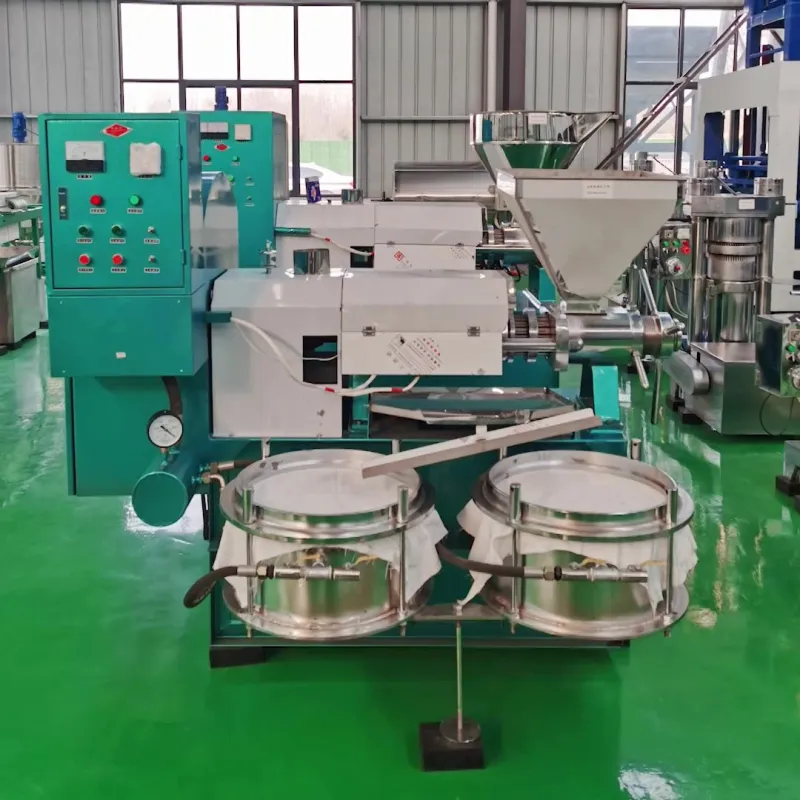
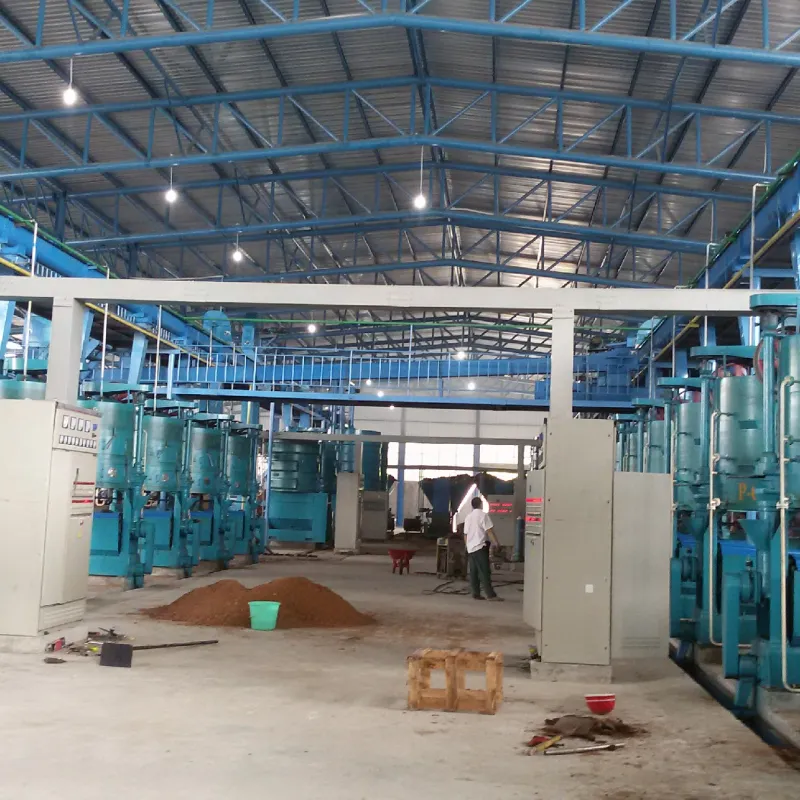
Modern peanut oil lines—from small-scale mills to large agri-processors—are adopting intelligent control systems. For example, Qia Group’s automated system reduces manual intervention by over 60%, cuts downtime by 25%, and ensures consistent moisture levels across batches.
This level of precision is critical when targeting international buyers who demand traceability, consistency, and compliance with ISO 22000 and GB standards.
A mid-sized processor in Vietnam upgraded to a semi-automated cold-press line and saw a 30% rise in B2B orders from EU retailers within six months—not because they lowered prices, but because their product met stricter labeling and purity requirements.
Meanwhile, a major Chinese agricultural group partnered with Qia Group to build a fully customized hot-pressed facility optimized for bulk export to Southeast Asia—where flavor intensity matters more than nutrient retention.
If your goal is premium positioning, cold pressing wins. If volume and cost-efficiency are key, hot pressing may be better—but only if you can maintain quality at scale.
Ready to explore how automation can future-proof your peanut oil operation?
Download our free technical whitepaper: “Choosing the Right Peanut Oil Refining Technology for Global Markets”
Learn how to align process choice with market expectations—and avoid costly mistakes.
 438
|
438
|
 Peanut oil press
Intelligent control system
Automated process control
Real - time data monitoring
ISO9001 quality certification
372
|
peanut oil press machine
energy-saving oil press
oil extraction efficiency
peanut oil press maintenance
industrial oil press selection
345
|
Peanut oil press selection
Energy - saving press maintenance
Press technical parameters
High - efficiency peanut oil equipment
Intelligent oil - making equipment
200
|
peanut oil expeller press selection
energy-efficient oil press maintenance
oil press technical specifications
high-efficiency peanut oil machine
smart control oil press
120
|
peanut oil press machine energy efficiency
low energy consumption oil press
smart control system for oil press
oil yield optimization technology
industrial oil extraction equipment
Peanut oil press
Intelligent control system
Automated process control
Real - time data monitoring
ISO9001 quality certification
372
|
peanut oil press machine
energy-saving oil press
oil extraction efficiency
peanut oil press maintenance
industrial oil press selection
345
|
Peanut oil press selection
Energy - saving press maintenance
Press technical parameters
High - efficiency peanut oil equipment
Intelligent oil - making equipment
200
|
peanut oil expeller press selection
energy-efficient oil press maintenance
oil press technical specifications
high-efficiency peanut oil machine
smart control oil press
120
|
peanut oil press machine energy efficiency
low energy consumption oil press
smart control system for oil press
oil yield optimization technology
industrial oil extraction equipment











.jpg?x-oss-process=image/resize,m_fill,h_800,w_800/format,webp)
