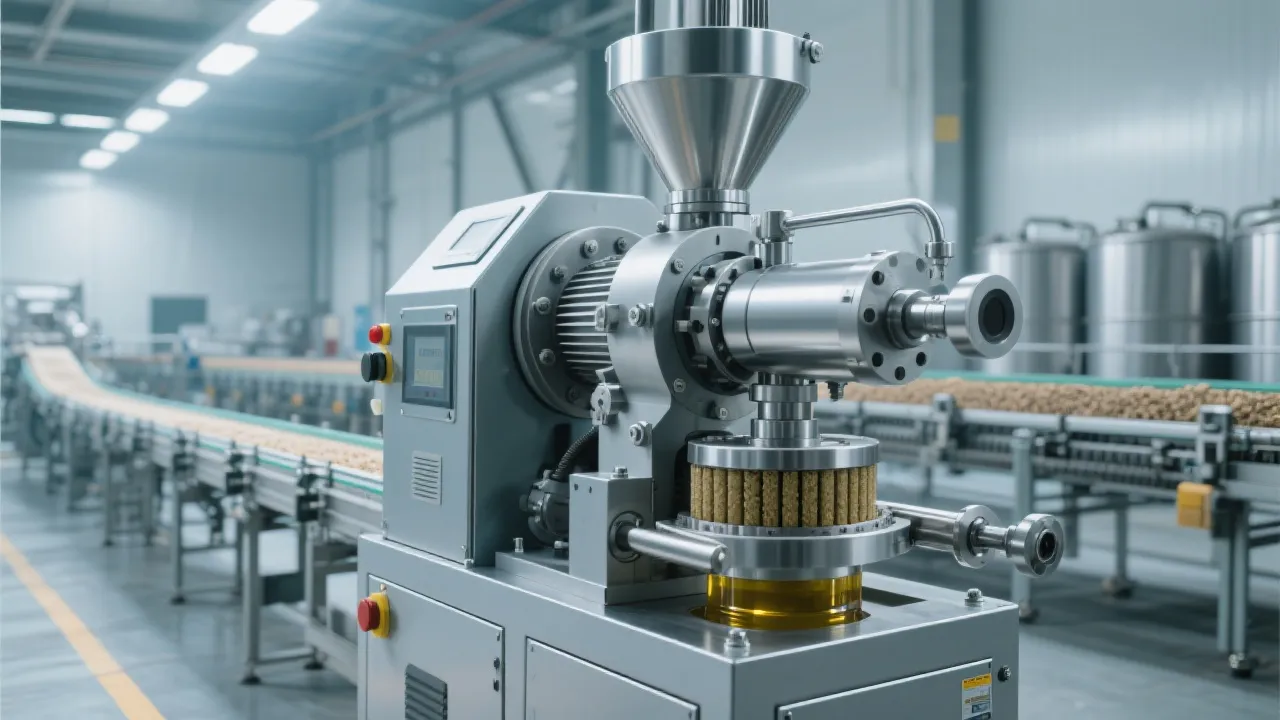
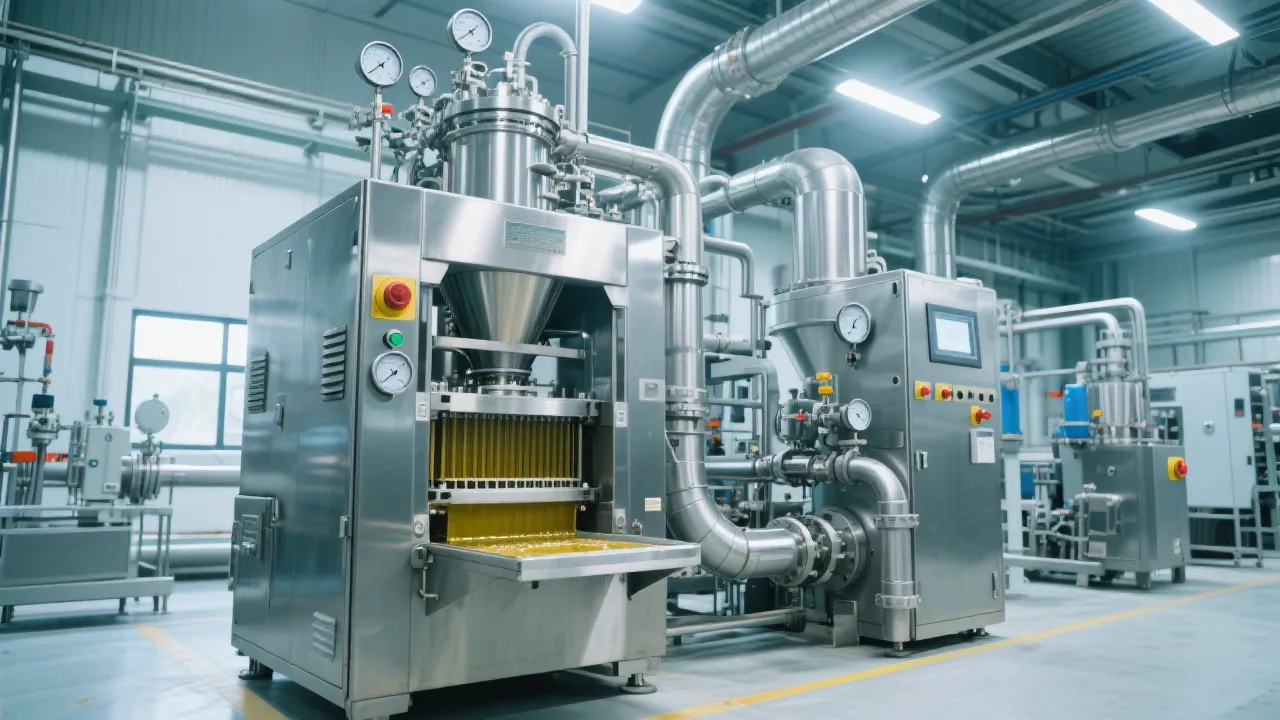
When it comes to peanut oil presses, understanding the key indicators is crucial for ensuring high - efficiency production. The processing capacity is one of the most important factors. For example, a high - end peanut oil press can process up to 500 kilograms of peanuts per hour, while a medium - sized one may handle around 200 - 300 kilograms. This directly affects your daily production volume.
Another vital indicator is the oil yield rate. A top - notch peanut oil press can achieve an oil yield rate of over 45%, which means you can get more oil from the same amount of peanuts. This not only increases your revenue but also makes your production more cost - effective.
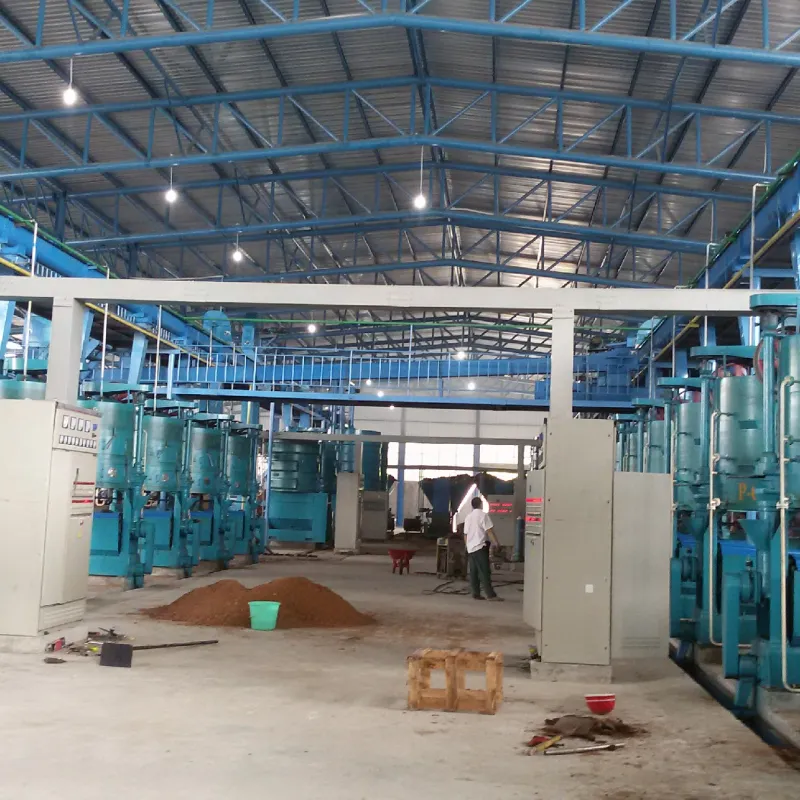
Selecting the right peanut oil press model according to your production scale and working conditions is essential. For small - scale agricultural cooperatives with a daily production of less than 1 ton of peanut oil, a compact and energy - efficient model would be sufficient. On the other hand, medium - sized oil mills with a daily output of 1 - 5 tons need a press with higher processing capacity and better durability.
If you operate in a humid environment, you should choose a press with better corrosion - resistant materials to avoid premature damage. Matching the right equipment to your needs can prevent resource waste and ensure that you have enough production capacity.
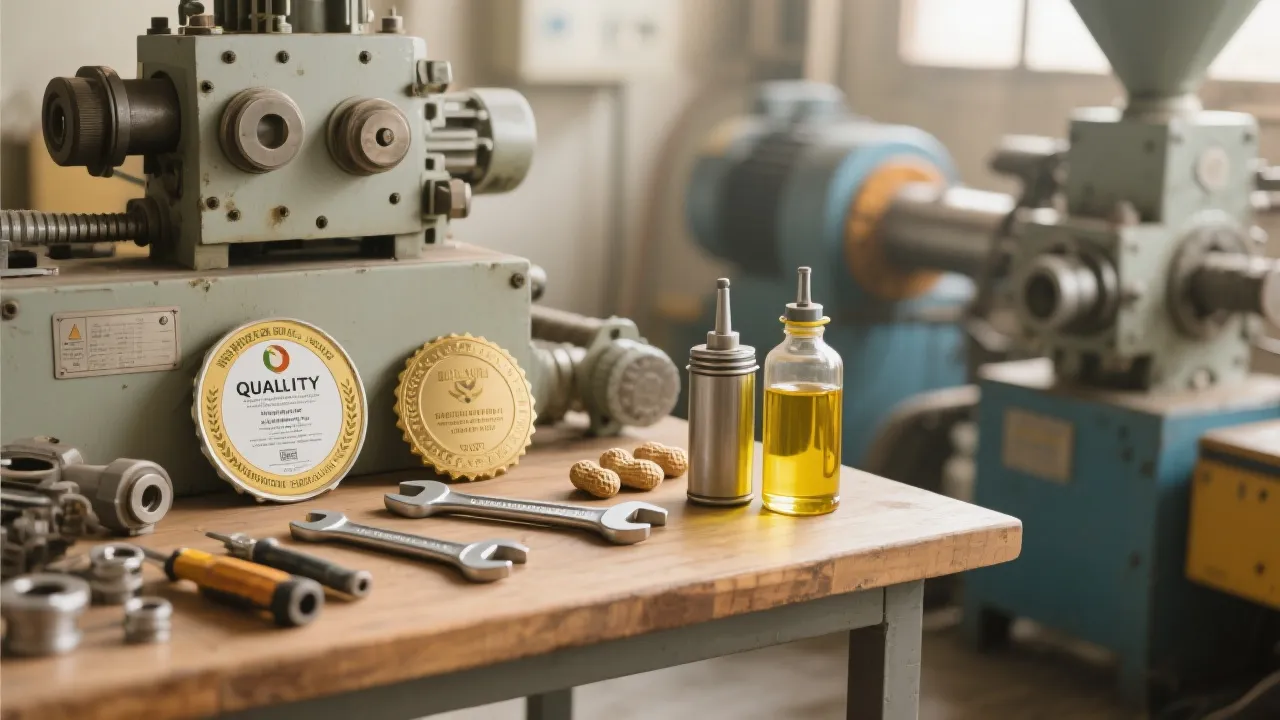
Regular maintenance is the key to extending the service life of your peanut oil press. A standardized maintenance process includes cleaning, lubrication, and component inspection. For cleaning, you should clean the press thoroughly after each use to prevent peanut residues from accumulating, which can affect the performance of the machine. Lubricating the moving parts every 50 operating hours can reduce friction and wear, and checking the components such as belts, gears, and screws once a week can help detect potential problems early.
Here is a simple maintenance cycle table for your reference:
Recognizing common faults and knowing how to handle them quickly can minimize downtime. For example, if you notice abnormal noise during operation, it may be due to loose components or lack of lubrication. You can first check if the belts are loose and then lubricate the relevant parts. If the oil yield suddenly drops, it could be caused by worn - out pressing parts or improper adjustment of the press. You can replace the worn parts or readjust the machine according to the instructions.
In case of more serious problems, our technical support team is available 24/7 to provide you with remote guidance or on - site service.
We offer a full - range of technical support services. From installation and commissioning to a two - year warranty, we ensure that you have a worry - free experience. Our professional technicians will install and debug the machine on - site to ensure that it operates at its best. During the two - year warranty period, if there are any quality problems, we will provide free repair or replacement of parts.
Let's take a look at a real - life case. An agricultural cooperative used to have low production efficiency and frequent equipment failures. After switching to our peanut oil press and following our maintenance suggestions, their production efficiency increased by 30%, and the equipment failure rate decreased by 40%. This not only saved them a lot of costs but also improved their market competitiveness.
Q: How often should I replace the pressing parts? A: It depends on the usage frequency. Generally, for medium - intensity use, you can replace them every 6 - 12 months.
Q: Can I use the press for other oilseeds? A: Our press is mainly designed for peanuts, but with some adjustments, it can also be used for other oilseeds such as soybeans and rapeseeds to a certain extent.
To maximize the value of your peanut oil press and achieve green, intelligent, and sustainable production upgrades, don't miss out on our comprehensive maintenance guide. Click here to get the full maintenance manual now!
 117
|
117
|
 Low-energy-consumption peanut oil press
Intelligent control system
Adaptability to high-temperature and high-humidity environments
ISO9001 quality standard
African and Southeast Asian market cases
35
|
Peanut oil press selection
Energy - efficient peanut oil press maintenance
High - efficiency press technical parameters
Agricultural cooperative oil - making equipment
Intelligent energy - saving peanut oil press
428
|
peanut oil press control system
large scale oil press automation
oil extraction efficiency optimization
ISO9001 compliant machinery
smart industrial control systems
106
|
intelligent control system for peanut oil press
automated process control
real-time fault diagnosis
ISO9001 quality compliance
large-scale oil extraction stability
42
|
peanut oil press energy efficiency
small scale oil mill upgrades
intelligent oil pressing technology
oil extraction rate improvement
agricultural cooperative machinery
Low-energy-consumption peanut oil press
Intelligent control system
Adaptability to high-temperature and high-humidity environments
ISO9001 quality standard
African and Southeast Asian market cases
35
|
Peanut oil press selection
Energy - efficient peanut oil press maintenance
High - efficiency press technical parameters
Agricultural cooperative oil - making equipment
Intelligent energy - saving peanut oil press
428
|
peanut oil press control system
large scale oil press automation
oil extraction efficiency optimization
ISO9001 compliant machinery
smart industrial control systems
106
|
intelligent control system for peanut oil press
automated process control
real-time fault diagnosis
ISO9001 quality compliance
large-scale oil extraction stability
42
|
peanut oil press energy efficiency
small scale oil mill upgrades
intelligent oil pressing technology
oil extraction rate improvement
agricultural cooperative machinery