
For agricultural cooperatives and small-to-medium oil mills, selecting the right peanut oil press isn’t just about buying equipment—it’s a strategic decision that impacts yield, energy efficiency, and long-term profitability. With global demand for clean, sustainable cooking oils rising, modern presses must balance performance, durability, and ease of maintenance.
When evaluating peanut oil presses, focus on three core metrics:
Also ensure compliance with international standards like ISO 9001 or CE certification—these are non-negotiable for export-ready operations and signal quality assurance to buyers.
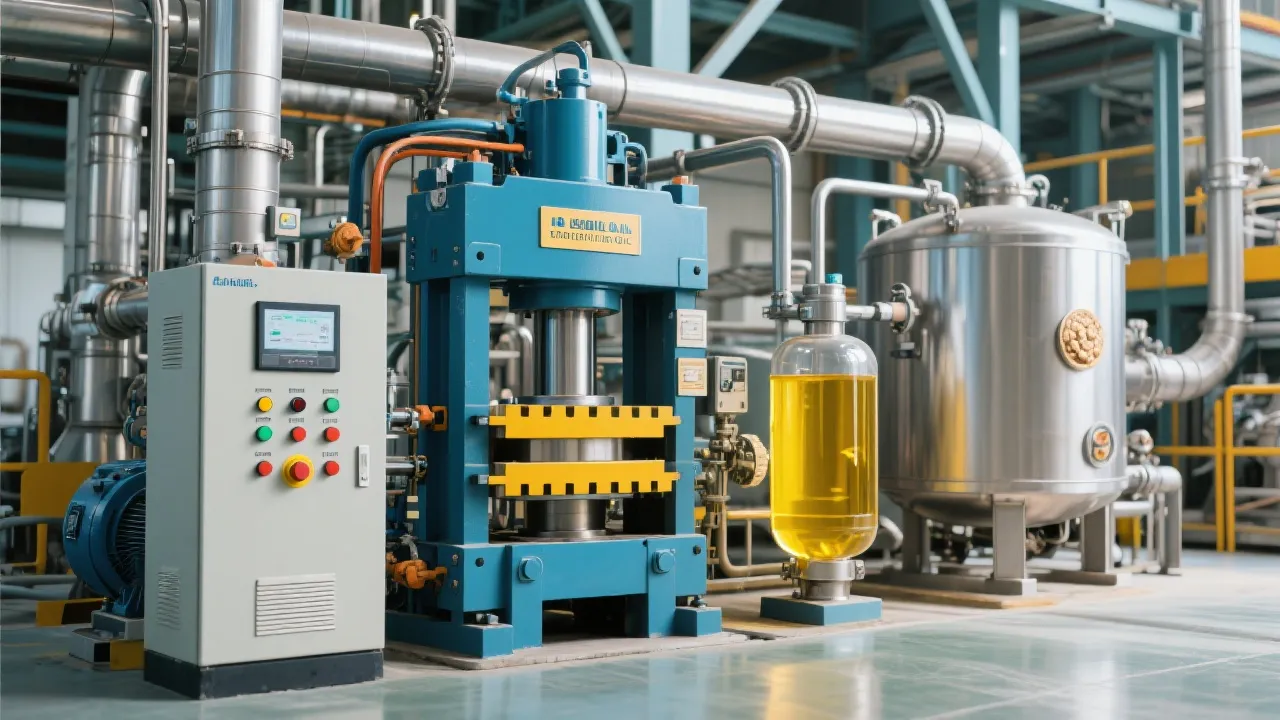
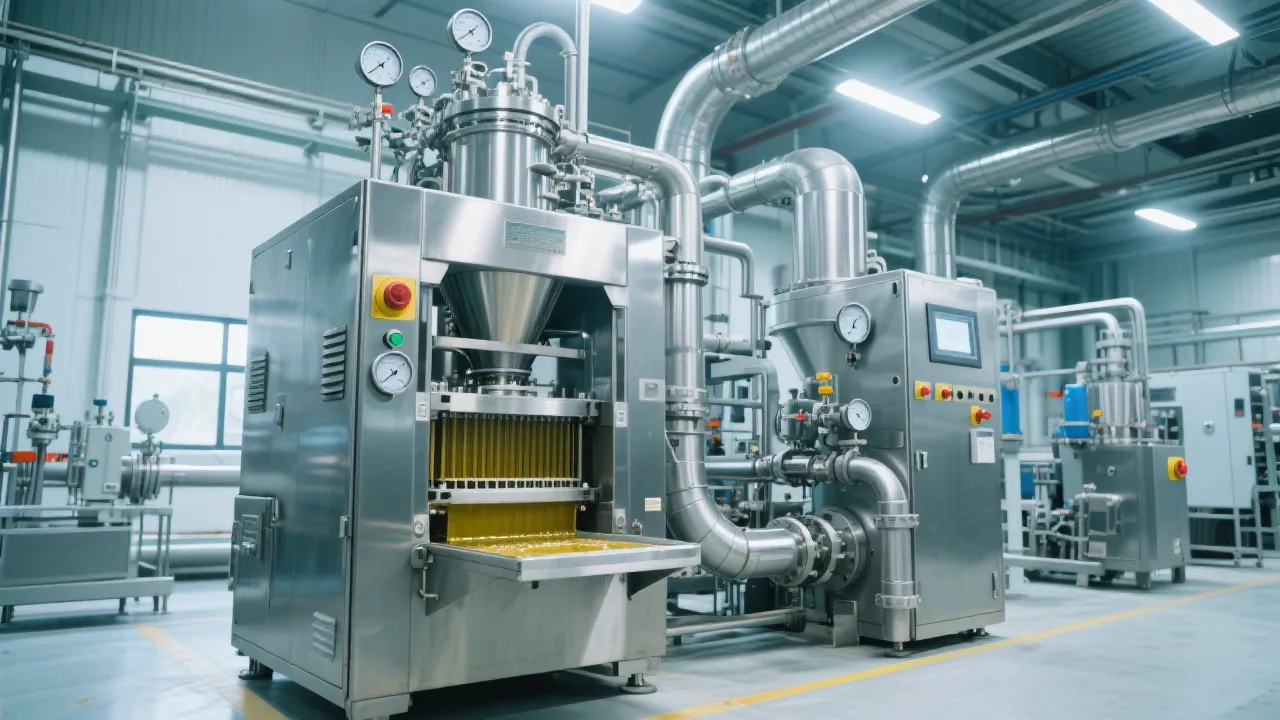
Not all presses are created equal. For example:
| Production Volume | Recommended Press Type | Estimated Lifespan |
|---|---|---|
| Up to 50 kg/hour | Manual Screw Press | 5–7 years |
| 50–150 kg/hour | Electric Screw Press | 8–12 years |
| 150+ kg/hour | Automated Hydraulic System | 10–15 years |
Choosing the wrong model can lead to bottlenecks or premature wear—especially during peak harvest seasons when uptime is critical.
Regular upkeep isn’t optional—it’s essential. Here’s what you should do monthly:
If issues arise, refer to our built-in troubleshooting guide: overheating? Check voltage stability. Low output? Inspect the pressing chamber for residue buildup. These quick fixes save thousands in repair costs annually.
A great product needs great support. Look for manufacturers offering:
These services reduce downtime and empower teams to operate confidently—even if they’re new to automated processing.
Get a free technical consultation tailored to your current setup and future goals. We’ll help you choose the perfect press based on your production volume, local climate, and energy availability.
Request a Customized Solution Today 435
|
435
|
 smart sunflower oil extraction equipment
pressure control technology
oil extraction rate optimization
equipment maintenance guide
grain and oil processing machinery
406
|
Peanut oil press
Energy-saving technology
Intelligent control system
Operating cost optimization
Agricultural cooperative equipment
313
|
peanut oil press machine
energy-efficient oil press
agricultural cooperative equipment
small oil mill solution
oil press maintenance
351
|
peanut oil press selection
energy-saving press maintenance
press technical parameters
oil equipment for agricultural cooperatives
solutions for small and medium-sized oil mills
198
|
peanut oil press automation
smart oil extraction control
low energy oil pressing machine
African oil processing solutions
Southeast Asian food processing automation
smart sunflower oil extraction equipment
pressure control technology
oil extraction rate optimization
equipment maintenance guide
grain and oil processing machinery
406
|
Peanut oil press
Energy-saving technology
Intelligent control system
Operating cost optimization
Agricultural cooperative equipment
313
|
peanut oil press machine
energy-efficient oil press
agricultural cooperative equipment
small oil mill solution
oil press maintenance
351
|
peanut oil press selection
energy-saving press maintenance
press technical parameters
oil equipment for agricultural cooperatives
solutions for small and medium-sized oil mills
198
|
peanut oil press automation
smart oil extraction control
low energy oil pressing machine
African oil processing solutions
Southeast Asian food processing automation










.jpg?x-oss-process=image/resize,m_fill,h_800,w_800/format,webp)


