In an era where energy costs constitute up to 32% of operational expenses for medium-sized oil mills, the need for sustainable processing solutions has never been more critical. As global energy prices continue their upward trajectory—with industrial electricity costs rising by an average of 18% across major manufacturing regions in 2023—forward-thinking plant managers are turning to innovative heat recovery technology to transform their production economics.
"Our soybean processing facility reduced energy consumption by 34% within six months of implementing the heat recovery system, resulting in annual savings of $147,000. The ROI was achieved in just 14 months." — Michael Chen, Plant Operations Director, Eastern Grain Processing
Traditional oil extraction processes follow a energy-intensive pathway from seed preparation to final refining. Studies conducted by the International Association of Edible Oil Processors reveal that conventional plants lose approximately 42% of input energy through waste heat during processing—equivalent to burning 1,200 tons of coal annually for a mid-sized facility processing 50,000 tons of oilseeds.
Three critical energy drains plague standard operations:
Modern heat recovery systems function as intelligent energy ecosystems rather than simple add-ons. The most effective configurations integrate three technological pillars:
These advanced systems capture waste heat from press operations at temperatures between 120-180°C, transferring 85-92% of recovered energy to pre-heat incoming material. Field data shows consistent 22-27% reduction in pre-treatment energy requirements.
AI-driven control modules maintain optimal process temperatures within ±1.5°C, preventing energy waste from overheating while ensuring extraction efficiency. This precision typically reduces energy consumption by an additional 8-12%.
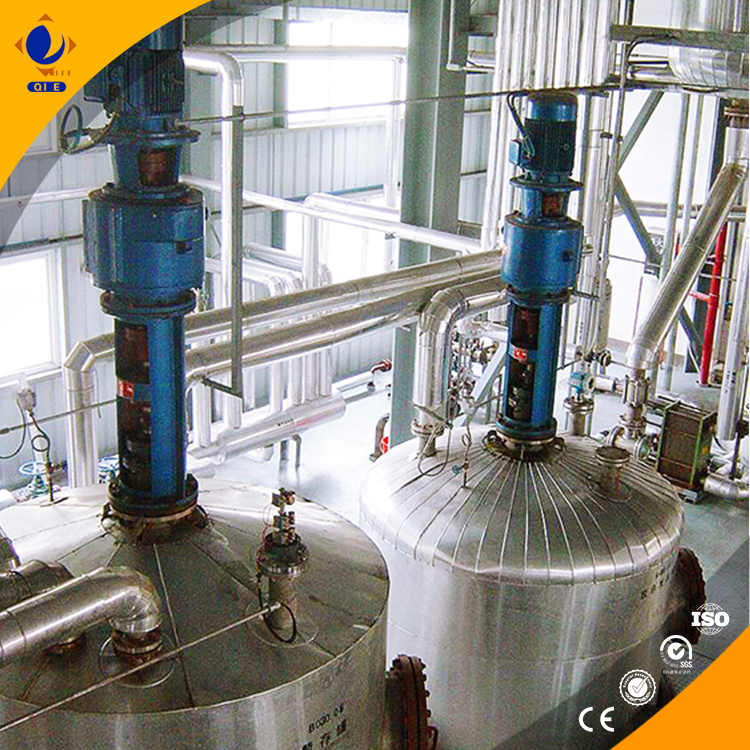
Beyond technology implementation, operational excellence plays a crucial role in energy optimization. Senior process engineers with decades of field experience recommend these key practices:
"Maintaining seed moisture between 6.2-7.5% before pressing creates the optimal balance between energy input and oil yield. Our data shows that moisture levels just 1.5% above this range increase energy consumption by 11% while reducing oil output by 3.2%." — Dr. Elena Rodriguez, Process Engineering Specialist
Additional field-verified techniques include:
Implementation of energy-efficient systems follows a structured progression that minimizes production disruption while accelerating ROI. The typical timeline includes:
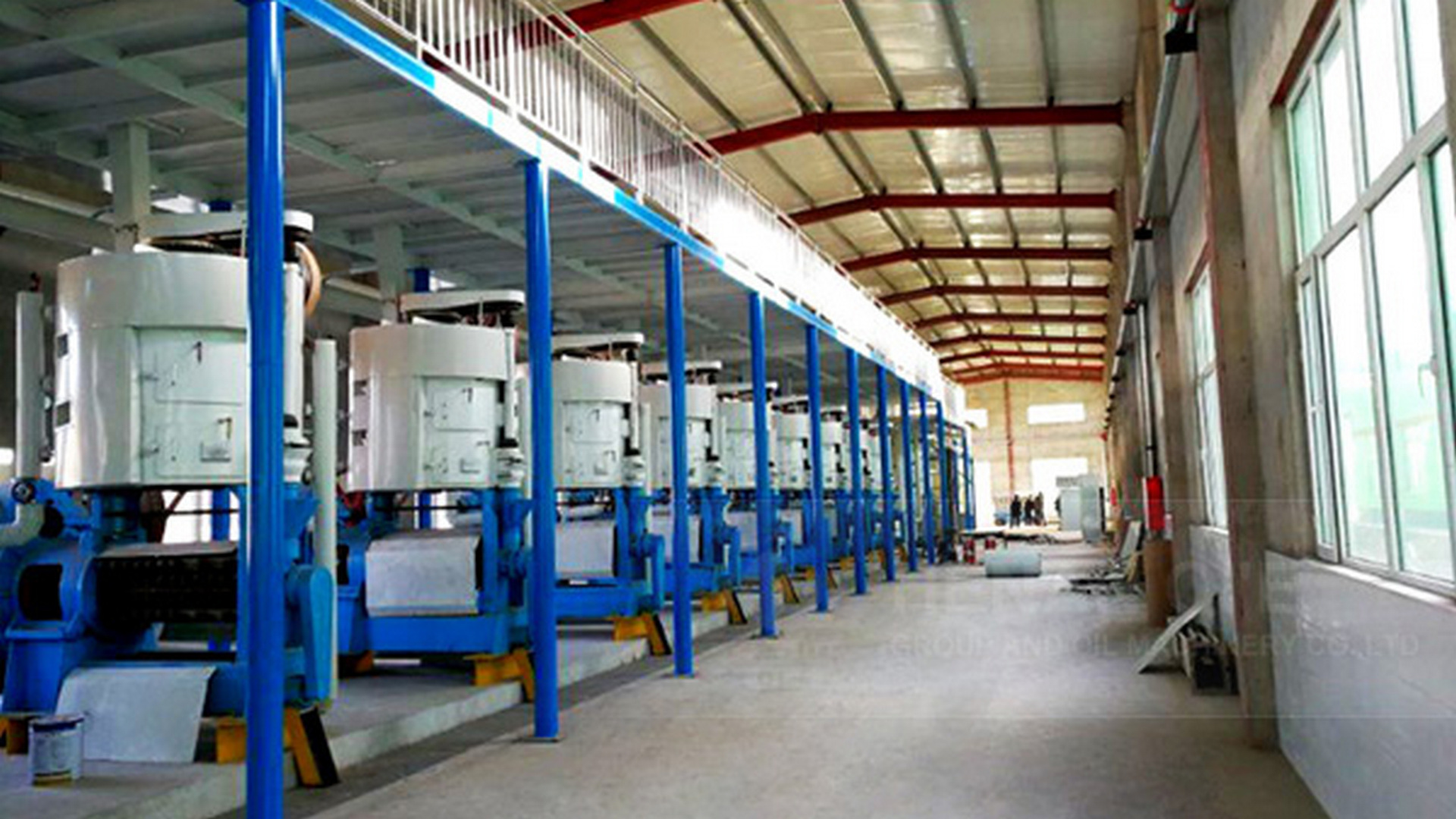
Post-implementation, facilities typically observe energy reductions of 28-35% within the first three months, with performance continuing to improve as operators gain familiarity with the new system. Long-term data from over 120 installations across 14 countries shows average payback periods of 12-18 months, with 92% of clients reporting full ROI within two years.
Download our comprehensive "Energy Optimization Playbook for Oil Processors" featuring:
What operational challenges have you encountered in reducing energy consumption while maintaining oil yield? Share your experiences and join the conversation using #MyOilMillEnergyTips to connect with industry peers and experts.
 313
|
313
|
 peanut oil press machine
energy-efficient oil press
agricultural cooperative equipment
small oil mill solution
oil press maintenance
452
|
Peanut oil press selection
Energy-saving press maintenance
Press technical parameters
Peanut oil equipment selection
Intelligent energy-saving oil press
299
|
energy-efficient peanut oil refining equipment
peanut oil production line selection
small medium oil mill upgrade
cold pressing vs hot pressing
grain and oil machinery ROI analysis
32
|
peanut oil production line installation common issues
peanut oil equipment commissioning skills
fully automatic peanut oil production line
differences between hot and cold pressing processes
intelligent control of grain and oil machinery
342
|
Peanut oil press energy-saving
Intelligent control system
Agricultural cooperative oil production equipment
Energy-saving oil press operating cost
Green oil production solutions
peanut oil press machine
energy-efficient oil press
agricultural cooperative equipment
small oil mill solution
oil press maintenance
452
|
Peanut oil press selection
Energy-saving press maintenance
Press technical parameters
Peanut oil equipment selection
Intelligent energy-saving oil press
299
|
energy-efficient peanut oil refining equipment
peanut oil production line selection
small medium oil mill upgrade
cold pressing vs hot pressing
grain and oil machinery ROI analysis
32
|
peanut oil production line installation common issues
peanut oil equipment commissioning skills
fully automatic peanut oil production line
differences between hot and cold pressing processes
intelligent control of grain and oil machinery
342
|
Peanut oil press energy-saving
Intelligent control system
Agricultural cooperative oil production equipment
Energy-saving oil press operating cost
Green oil production solutions