
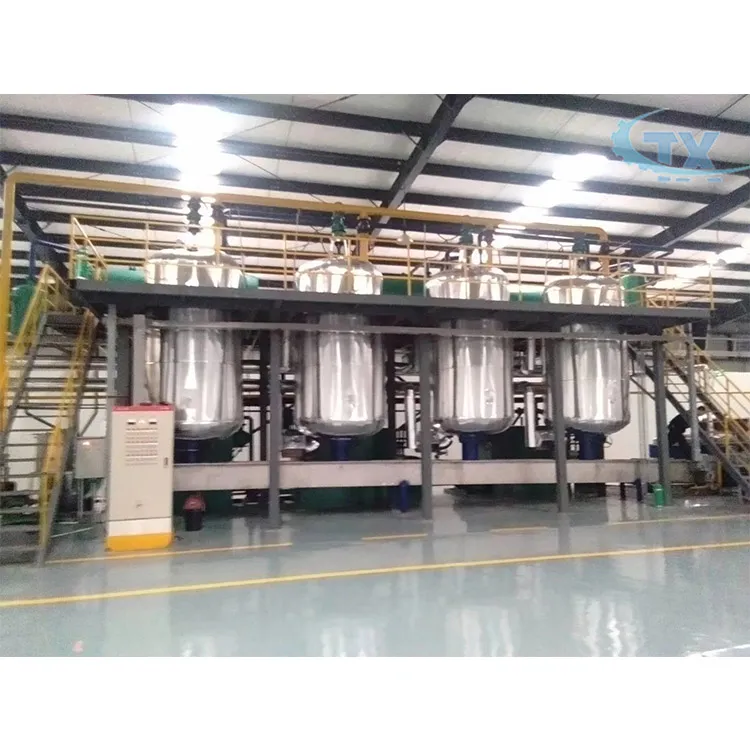
Are you still struggling with high energy consumption in your peanut oil press? In this article, we'll explore how our energy-efficient peanut oil press offers a cutting-edge solution to reduce energy use by over 30% while maintaining an impressive oil yield of 98% - 100%. This innovation is a game-changer for agricultural cooperatives and small to medium-sized oil mills, helping them significantly cut operational costs and boost productivity.
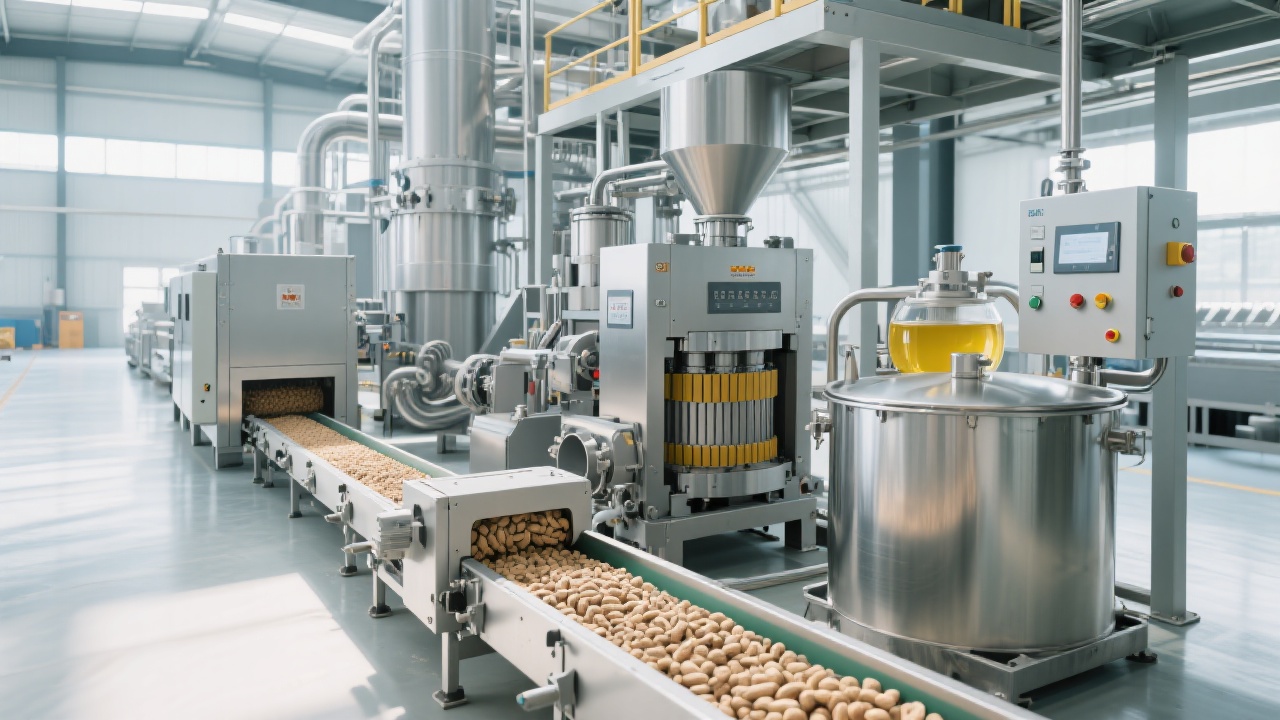
Let's break down the key components of our energy-saving design. First, we have the variable frequency control. This technology adjusts the motor speed according to the actual workload, preventing unnecessary energy waste. For example, when the press is running at a lower capacity, the motor slows down, consuming less power. Second, the heat recovery system captures and reuses the heat generated during the pressing process. Instead of letting it dissipate into the air, this heat is redirected to pre - heat the peanuts, reducing the need for additional energy to reach the optimal pressing temperature. Lastly, the multi - stage temperature control linkage ensures that the temperature is precisely regulated at each stage of the pressing process, optimizing the oil extraction while minimizing energy consumption.
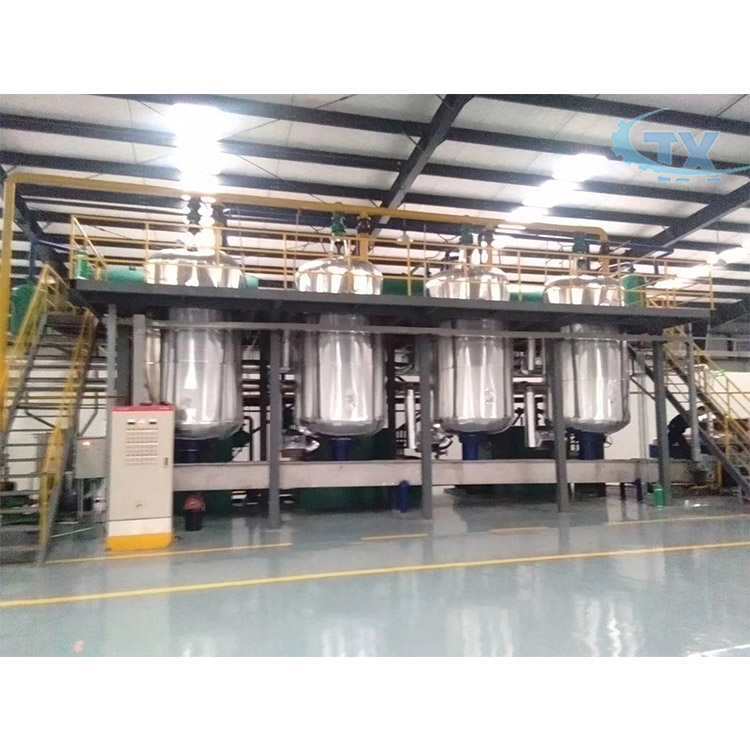
Comparing our energy - efficient peanut oil press with traditional models, the difference in energy consumption is striking. Before the upgrade, a typical traditional press in an agricultural cooperative might consume 100 kWh per day. After switching to our new model, the daily energy consumption drops to 70 kWh or less, a reduction of over 30%. This not only translates into significant cost savings on electricity bills but also has a positive impact on the bottom line. In terms of economic benefits, the lower energy cost allows businesses to invest more in other aspects of production, such as raw material procurement or equipment maintenance.
For users in emerging markets, proper operation and maintenance are crucial to maximizing the performance of the energy - efficient peanut oil press. In terms of daily maintenance, it's recommended to clean the press regularly to prevent the accumulation of peanut residues, which can affect the efficiency of the machine. As for parameter tuning, adjusting the pressure and temperature settings according to the quality and moisture content of the peanuts can optimize the oil yield. For example, if the peanuts are relatively dry, slightly reducing the temperature can prevent over - heating and ensure a stable oil quality.
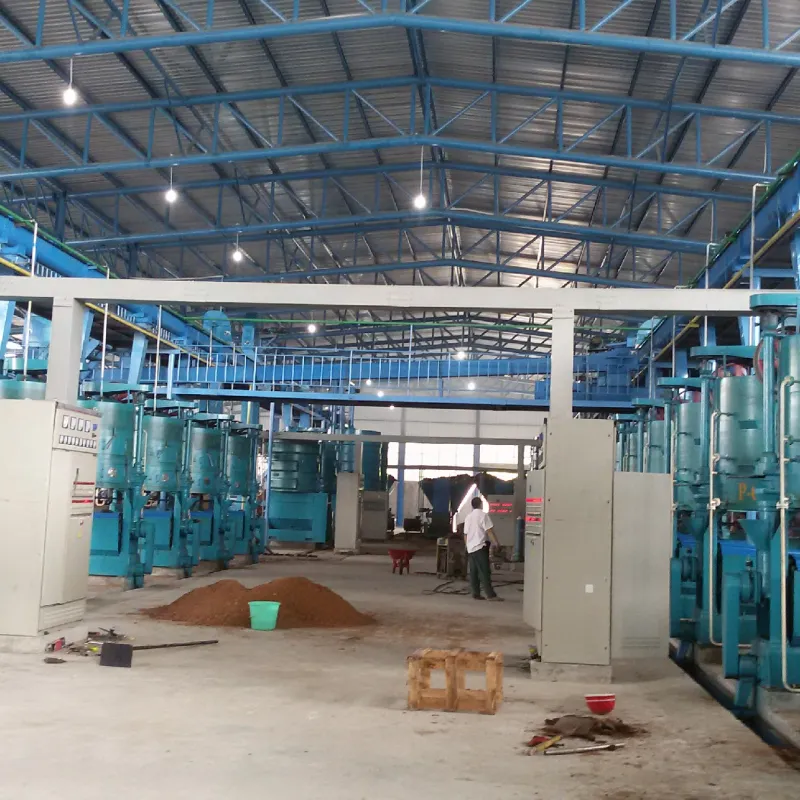
Let's take a look at some real - world examples from Africa and Southeast Asia. An agricultural cooperative in Africa switched from a traditional peanut oil press to our energy - efficient model. Before the upgrade, their monthly electricity bill for the press was around $500, and the monthly peanut processing capacity was 10 tons. After using our new press, the monthly electricity bill dropped to $350, a savings of 30%. At the same time, the monthly processing capacity increased to 12 tons, a 20% increase in productivity. Similarly, a small - scale oil mill in Southeast Asia experienced similar results. Their monthly electricity cost decreased from $400 to $280, and the monthly oil production rose from 8 tons to 9.6 tons.
Using our energy - efficient peanut oil press is not only a smart business decision but also an environmentally friendly choice. By reducing energy consumption, it helps businesses meet environmental regulations and contribute to a greener planet. Moreover, the long - term cost savings on energy bills and the increased productivity lead to higher profits. This creates a positive cycle where businesses can invest more in sustainable development, further enhancing their competitiveness in the market.

Ready to transform your peanut oil production with our energy - efficient press? Click here to learn more and take the first step towards a more sustainable and profitable future!







.jpg?x-oss-process=image/resize,m_fill,h_800,w_800/format,webp)
