
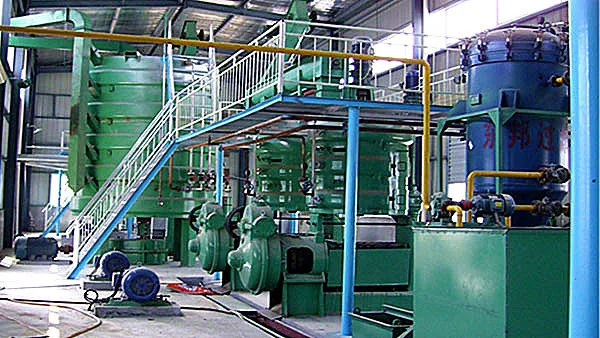
Small to medium-sized peanut oil mills worldwide face soaring energy costs and operational inefficiencies that threaten profitability. Addressing this challenge, advanced low-energy peanut oil press machines equipped with intelligent control systems provide a transformative approach to reducing power consumption while boosting extraction rates.
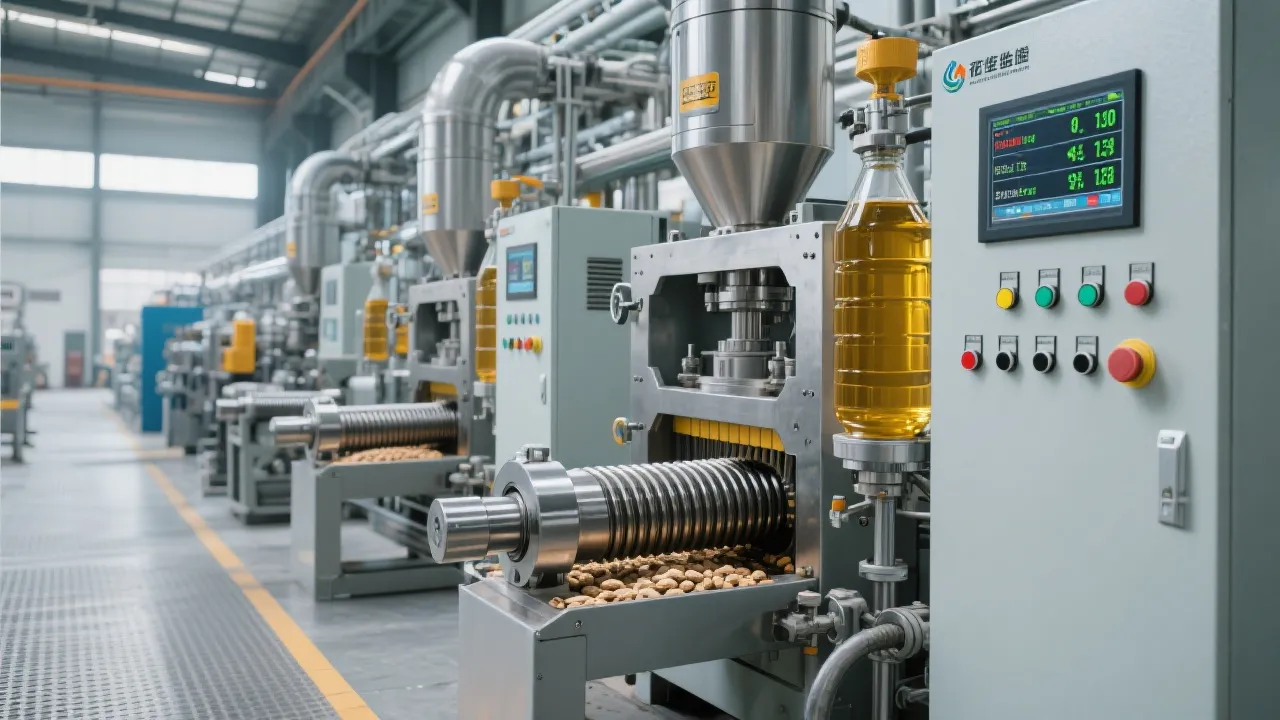
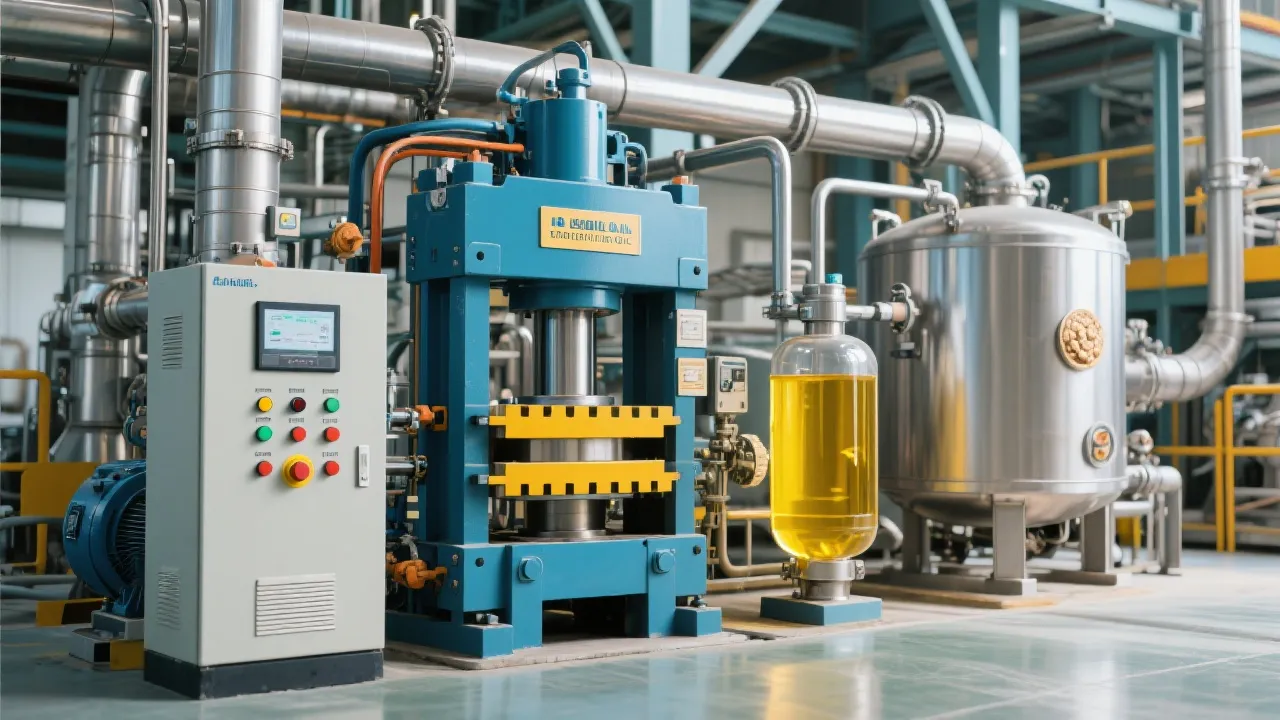
The cornerstone of these upgrades lies in variable frequency drive (VFD) systems that dynamically adjust motor speeds to optimize power usage based on real-time load conditions. Complementing this, multi-stage temperature control ensures ideal pressing temperatures, improving oil yield without excessive heating that wastes energy. Moreover, heat recovery mechanisms capture residual thermal energy for preheating incoming seeds, further slashing energy needs.
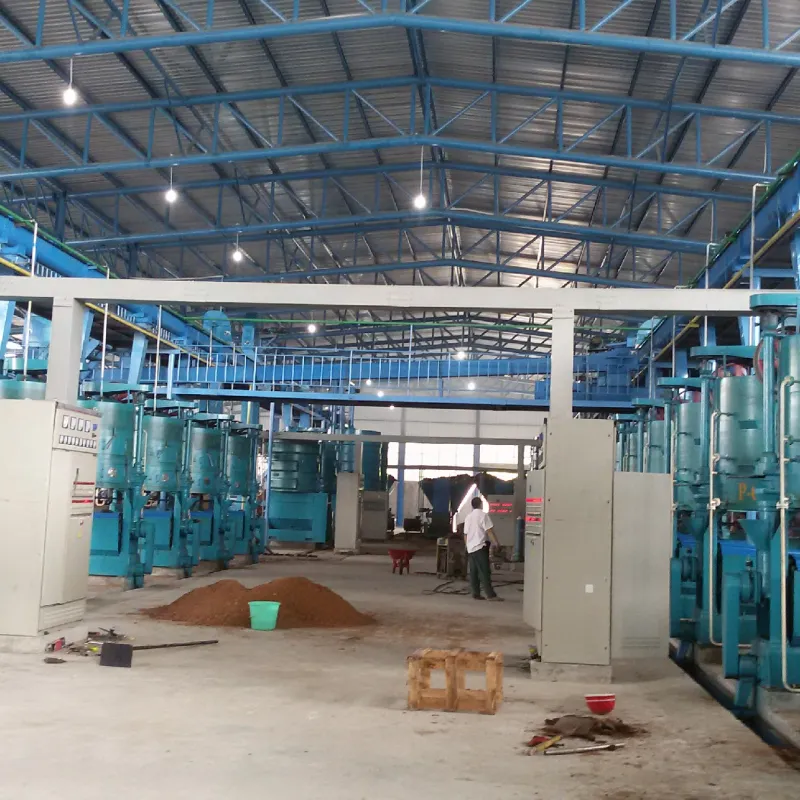
A leading agricultural cooperative in Africa recently replaced their legacy peanut oil press with a next-generation low-energy press. The project targeted a 30% reduction in monthly power bills and maintenance-driven downtime.
| Metric | Before Upgrade | After Upgrade | Percentage Change |
|---|---|---|---|
| Monthly Electricity Cost | $4,800 | $3,260 | -32% |
| Oil Extraction Rate | 94% | 98.2% | +4.2% |
| Monthly Maintenance Hours | 25 hrs | 15 hrs | -40% |
To maximize the benefits of these systems, operators should follow a disciplined maintenance routine. Key practices include:
Implementation in regions such as Africa and Southeast Asia involves adapting the pressing solutions for local agricultural practices and grid constraints. The cooperative benefited from onsite training tailored to staff expertise levels, as well as support for aligning equipment with intermittent power supply challenges.
Technical feedback highlighted how user-friendly control interfaces enabled operators to fine-tune press speed and temperature parameters easily, ensuring a smoother transition from older equipment that lacked automation.
 254
|
254
|
 intelligent control system
peanut oil press automation
remote maintenance for oil production
high-capacity oil extraction
ISO9001 quality management
83
|
Peanut oil press energy - saving technology
Intelligent temperature control system
Press energy consumption optimization
Agricultural cooperative oil - making equipment
Food processing energy - saving solutions
88
|
Peanut oil press intelligent control
Automated process control tutorial
Intelligent upgrade of grain and oil equipment
Low - energy consumption pressing system
Industrial Internet of Things in food processing
96
|
peanut oil press machine control system
ISO9001 compliant automation
smart oil extraction technology
real-time monitoring for food processing
remote maintenance in industrial systems
270
|
intelligent control system
peanut oil press
automated process control
remote maintenance
stable oil yield
intelligent control system
peanut oil press automation
remote maintenance for oil production
high-capacity oil extraction
ISO9001 quality management
83
|
Peanut oil press energy - saving technology
Intelligent temperature control system
Press energy consumption optimization
Agricultural cooperative oil - making equipment
Food processing energy - saving solutions
88
|
Peanut oil press intelligent control
Automated process control tutorial
Intelligent upgrade of grain and oil equipment
Low - energy consumption pressing system
Industrial Internet of Things in food processing
96
|
peanut oil press machine control system
ISO9001 compliant automation
smart oil extraction technology
real-time monitoring for food processing
remote maintenance in industrial systems
270
|
intelligent control system
peanut oil press
automated process control
remote maintenance
stable oil yield












.jpg?x-oss-process=image/resize,m_fill,h_800,w_800/format,webp)
