
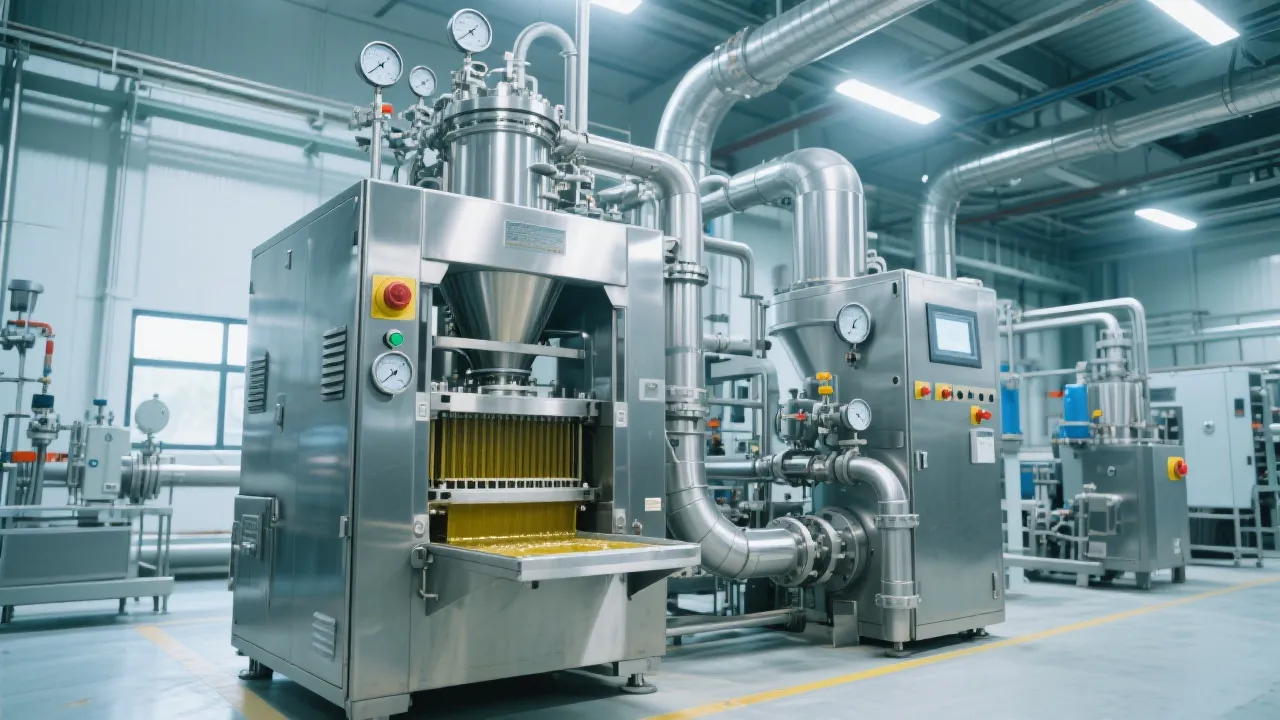
If you're managing a small or medium-sized oil mill, every hour of downtime means lost revenue and frustrated customers. That’s why understanding how to maintain your energy-efficient peanut oil press isn’t just smart—it’s essential for survival in today’s competitive market.
Based on real-world data from over 120 operational sites across Southeast Asia and Africa, we’ve found that proper maintenance can reduce unexpected breakdowns by up to 45%, extend machine life by 2–3 years, and boost oil yield by an average of 2–3 percentage points.
Start each shift with these three simple steps:
| Maintenance Frequency | Key Tasks | Expected Impact |
|---|---|---|
| Daily | Clean filter screen, check oil level | Prevents clogging, ensures smooth flow |
| Weekly | Lubricate moving parts, inspect belt tension | Reduces friction-related wear |
| Monthly | Test motor insulation resistance, calibrate sensors | Avoids electrical faults, maintains accuracy |
“We cut our repair costs by 37% after following this checklist. Now, even our junior operators know what to look for.”
— Mr. Ahmed, Technical Manager, Nigeria Oil Mill Co.
If your press suddenly stops producing oil at full capacity, don’t panic. Here’s how to diagnose quickly:
In one case study from Vietnam, a factory saved $12,000 in annual energy costs simply by switching to our optimized pressing cycle — which reduced electricity consumption by 30% without sacrificing throughput.
Download our free Complete Maintenance Checklist PDF — including visual guides, troubleshooting tables, and contact info for remote diagnostics.
Get Your Free Maintenance Guide Now




.jpg?x-oss-process=image/resize,m_fill,h_800,w_800/format,webp)


