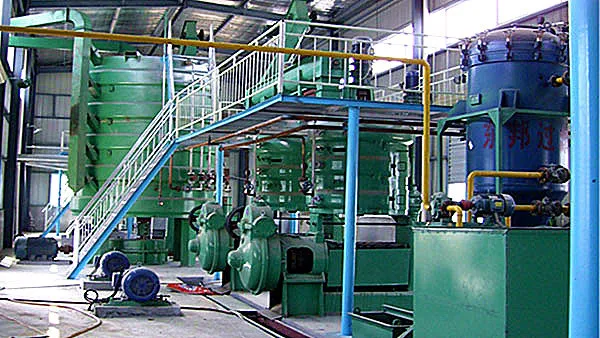
If you're still running a traditional peanut oil press that consumes high electricity and delivers inconsistent yields, you’re not alone — but you’re also missing out on real savings.
In many small-to-mid-sized oil mills in Africa and Southeast Asia, older hydraulic presses operate at fixed speeds — meaning they run full power even when the peanuts aren’t fully loaded. This leads to wasted energy, overheating, and reduced oil yield. On average, these machines use 45–60 kWh per 100 kg of peanuts, while modern energy-efficient models can cut this by up to 30% using intelligent control systems.
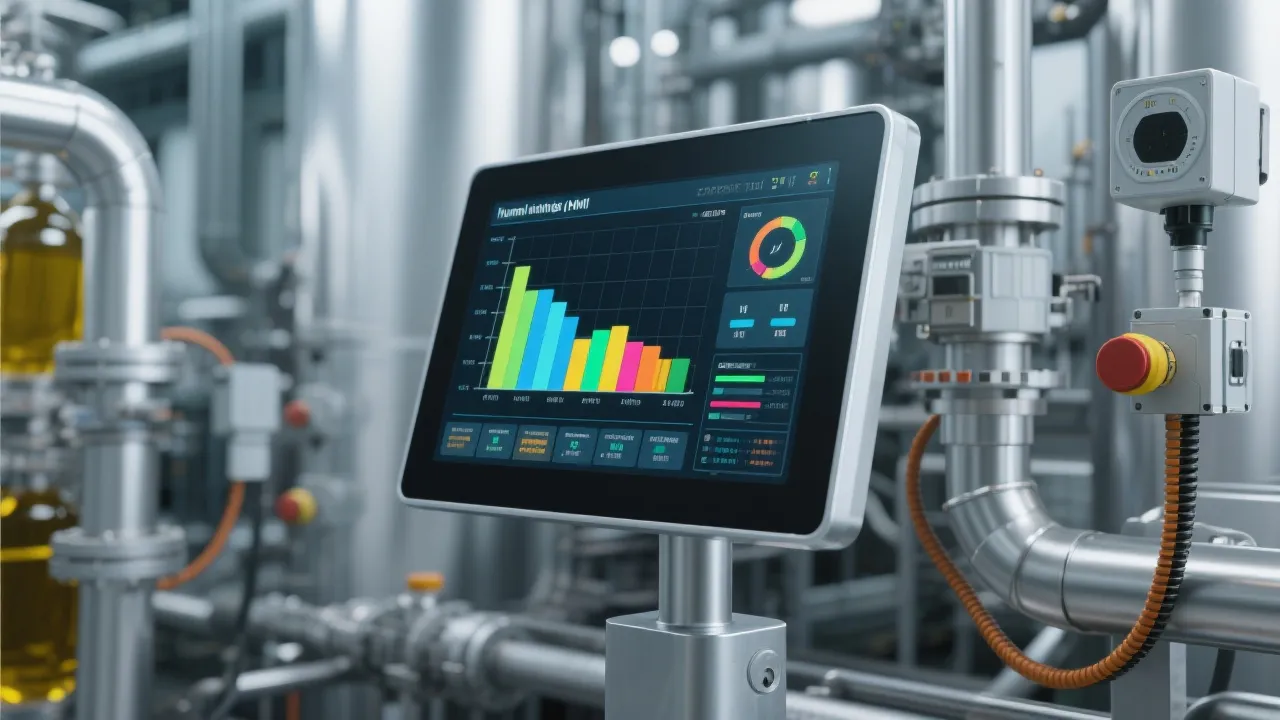
Here’s how it works:
These aren't just technical upgrades — they’re operational game-changers for farms and co-ops looking to reduce costs and improve sustainability.
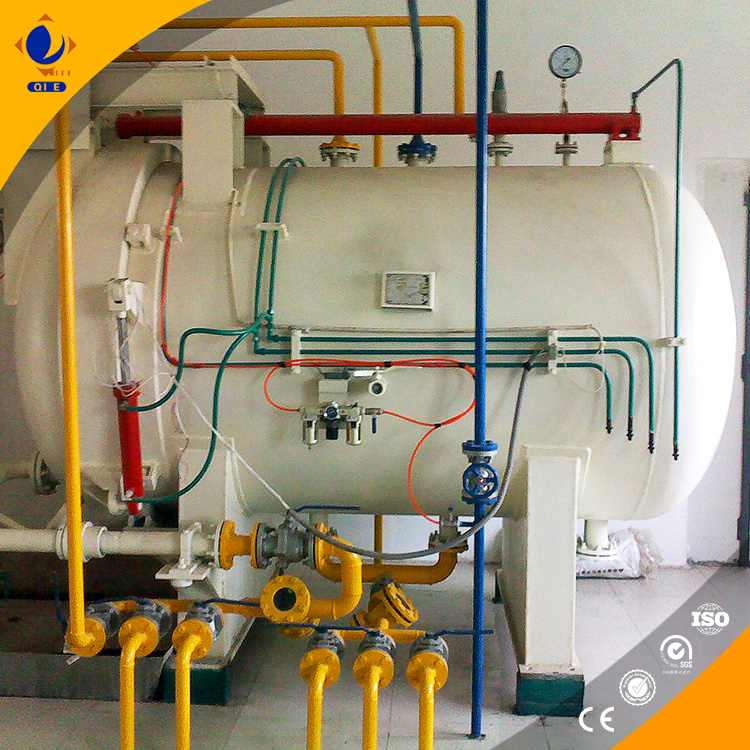
“After switching to the energy-saving model, our monthly electricity bill dropped from $320 to $210 — and our oil yield increased by 8%. That’s over $1,200 saved annually.” — Mr. Adebayo, Owner, Lagos Agro-Oil Cooperative
This isn’t an isolated case. In Vietnam, a family-run mill saw a 27% drop in energy usage within three months after installing the new system — and their customers praised the improved clarity and flavor of the final product.
To sustain performance gains, follow these simple maintenance steps:
These routine checks help maintain both efficiency and longevity — turning your investment into a long-term asset, not just a one-time upgrade.
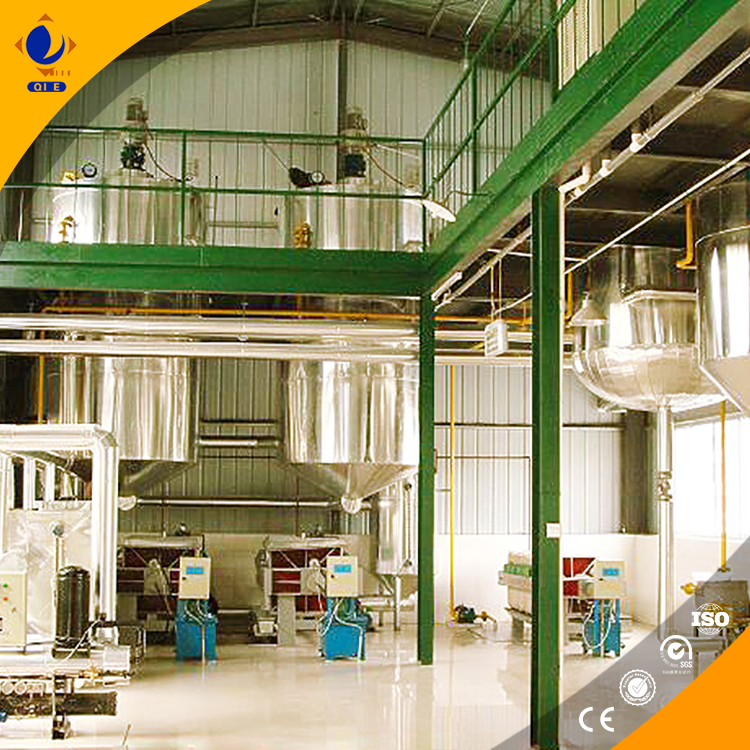
Download our free “Energy Efficiency Guide for Small-Scale Oil Mills” — packed with real-world data, maintenance checklists, and ROI calculators tailored for emerging markets.
Download Now – See How Much You Could Save 406
|
406
|
 Peanut oil press
Energy-saving technology
Intelligent control system
Operating cost optimization
Agricultural cooperative equipment
71
|
energy-efficient peanut oil press
low-energy consumption oil extraction equipment
intelligent press control system
oil yield optimization
equipment upgrade for agricultural cooperatives
35
|
Peanut oil press selection
Energy - efficient peanut oil press maintenance
High - efficiency press technical parameters
Agricultural cooperative oil - making equipment
Intelligent energy - saving peanut oil press
88
|
Peanut oil press intelligent control
Automated process control tutorial
Intelligent upgrade of grain and oil equipment
Low - energy consumption pressing system
Industrial Internet of Things in food processing
356
|
sunflower seed oil extractor maintenance
intelligent pressure oil extraction equipment
sunflower oil machinery fault diagnosis
grain and oil processing equipment maintenance schedule
sunflower seed oil press operating guide
Peanut oil press
Energy-saving technology
Intelligent control system
Operating cost optimization
Agricultural cooperative equipment
71
|
energy-efficient peanut oil press
low-energy consumption oil extraction equipment
intelligent press control system
oil yield optimization
equipment upgrade for agricultural cooperatives
35
|
Peanut oil press selection
Energy - efficient peanut oil press maintenance
High - efficiency press technical parameters
Agricultural cooperative oil - making equipment
Intelligent energy - saving peanut oil press
88
|
Peanut oil press intelligent control
Automated process control tutorial
Intelligent upgrade of grain and oil equipment
Low - energy consumption pressing system
Industrial Internet of Things in food processing
356
|
sunflower seed oil extractor maintenance
intelligent pressure oil extraction equipment
sunflower oil machinery fault diagnosis
grain and oil processing equipment maintenance schedule
sunflower seed oil press operating guide