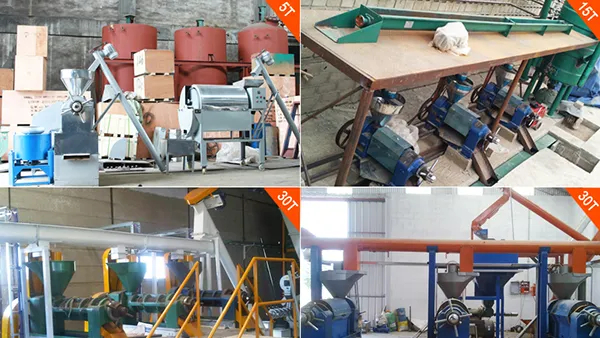
For peanut oil producers—whether you run a small-scale mill or a large agro-processing facility—the choice between cold-press and hot-press refining can make or break your efficiency, cost structure, and environmental compliance. This guide breaks down key technical indicators like oil yield, energy consumption, and purity levels to help you select the best system for your factory’s unique needs.
At first glance, both methods aim to extract edible oil from peanuts—but their approaches differ significantly in temperature control, chemical impact, and output quality.
| Parameter | Cold-Press (≤45°C) | Hot-Press (≥70°C) |
|---|---|---|
| Oil Yield (%) | 62–68% | 75–82% |
| Energy Consumption (kWh/kg oil) | 0.8–1.1 | 1.3–1.6 |
| Purity Level (Free Fatty Acids %) | ≤0.1% | ≤0.3% |
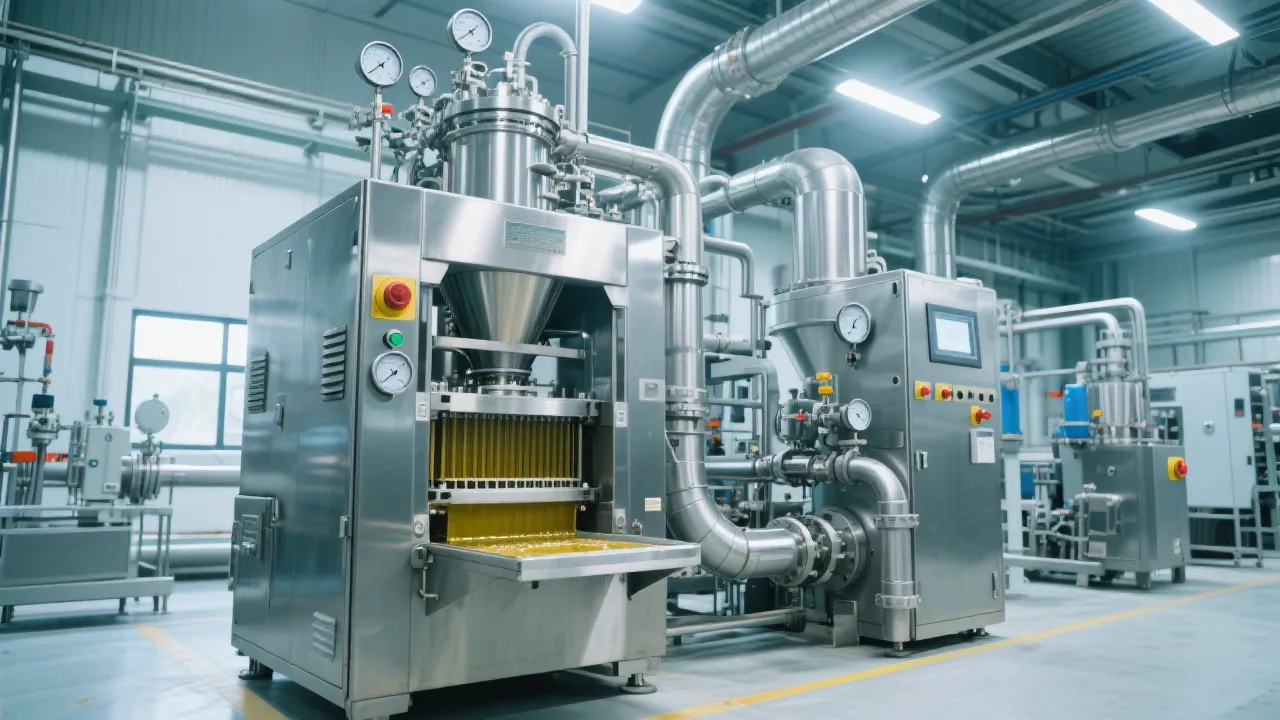
Real-world data shows: A mid-sized peanut oil plant in Vietnam using our intelligent cold-press system achieved a 15% reduction in electricity usage compared to older models while maintaining premium-grade oil purity. Meanwhile, a large processor in Brazil reported a 20% increase in daily throughput after switching to automated hot-press with integrated heat recovery units.
"The real game-changer was the smart control panel—it reduced manual adjustments by over 60%, allowing us to focus on quality instead of monitoring," says Maria Lopez, Operations Manager at AgroFoods Mexico.
With global buyers demanding HACCP-certified and ISO 22000-compliant production lines, choosing equipment that supports food safety standards isn’t optional—it’s strategic. Our latest generation of peanut oil refining systems includes closed-loop filtration, moisture sensors, and traceability modules that ensure every batch meets international benchmarks.
Get a free consultation and customized solution tailored to your factory size, location, and goals.
Download Our Peanut Oil Refining Selection Guide 145
|
145
|
 Peanut oil press energy-saving technology
Low-energy oil extraction equipment
Agricultural cooperative oil extraction solutions
Oil mill energy-saving transformation
Intelligent press control system
345
|
Peanut oil press selection
Energy - saving press maintenance
Press technical parameters
High - efficiency peanut oil equipment
Intelligent oil - making equipment
228
|
peanut oil press machine
energy-efficient oil press
oil press technical specifications
smart peanut oil equipment
oil mill equipment selection
351
|
peanut oil press selection
energy-saving press maintenance
press technical parameters
oil equipment for agricultural cooperatives
solutions for small and medium-sized oil mills
416
|
Energy - saving peanut oil refining equipment
Cold - pressing vs hot - pressing technology comparison
Grain and oil machinery export standards
Intelligent control production line
Environmental compliance certification
Peanut oil press energy-saving technology
Low-energy oil extraction equipment
Agricultural cooperative oil extraction solutions
Oil mill energy-saving transformation
Intelligent press control system
345
|
Peanut oil press selection
Energy - saving press maintenance
Press technical parameters
High - efficiency peanut oil equipment
Intelligent oil - making equipment
228
|
peanut oil press machine
energy-efficient oil press
oil press technical specifications
smart peanut oil equipment
oil mill equipment selection
351
|
peanut oil press selection
energy-saving press maintenance
press technical parameters
oil equipment for agricultural cooperatives
solutions for small and medium-sized oil mills
416
|
Energy - saving peanut oil refining equipment
Cold - pressing vs hot - pressing technology comparison
Grain and oil machinery export standards
Intelligent control production line
Environmental compliance certification