In the competitive global edible oil market, selecting the right peanut oil production line is critical for exporters aiming to maximize output, reduce costs, and ensure premium product quality. This guide addresses manufacturers and processors with daily production capacities ranging from 5 to 50 tons, delivering a systematic approach to equipment selection, installation, and intelligent operation that seamlessly integrates advanced technology with practical workflows.
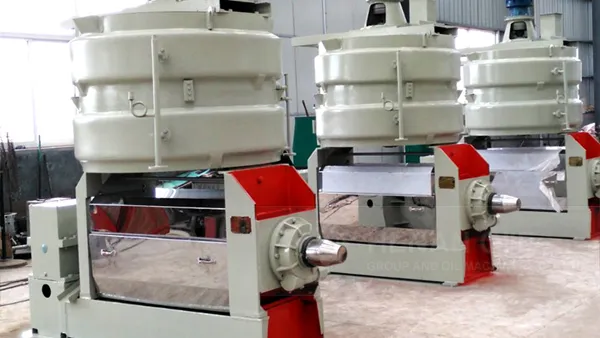
Peanut oil production lines typically consist of cleaning systems, shelling units, flaking machines, cooking devices (for hot pressing), pressing units, filtering setups, and storage tanks. The choice between cold pressing and hot pressing hinges on balancing oil yield with nutritional retention:
Reliable plant performance begins with meticulous installation steps. Key stages include:
Addressing typical issues, such as oil leakage at pressure points or suboptimal heating, during commissioning shortens ramp-up time and reduces downtime.
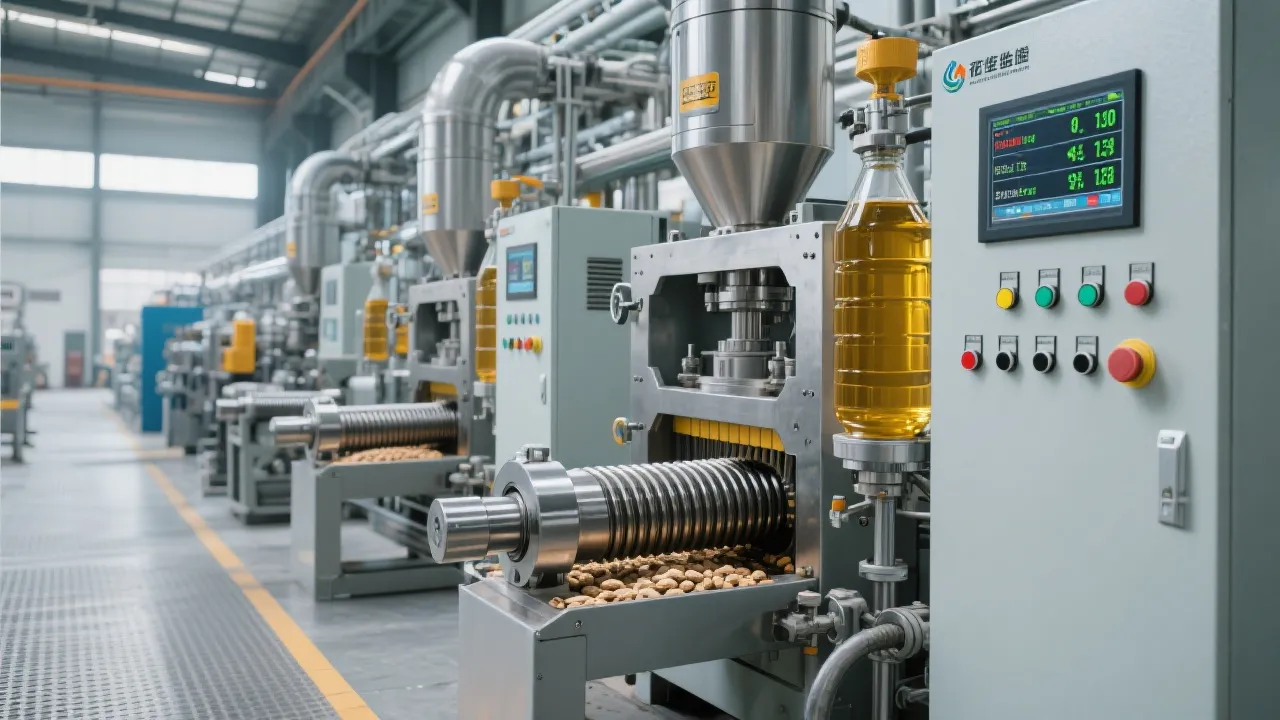
Incorporating smart automation significantly elevates production line efficiency by enabling real-time monitoring, fault diagnostics, and adaptive process control. Features include:
Collectively, these systems reduce labor intensity by 30-40% and improve yield consistency, directly impacting profitability.
Understanding operational scale guides the selection of appropriate machinery configurations:
Energy efficiency improvements—such as regenerative braking on conveyors and insulating cooking vessels—generate annual savings estimated at 8-12% of total plant operating costs.
A notable case from a Southeast Asian exporter demonstrates that integrating a hybrid cold-hot pressing line coupled with AI-assisted control led to a 25% increase in oil purity and a 20% reduction in labor costs within 12 months of commissioning.
Applying problem-solving frameworks during commissioning, such as Root Cause Analysis (RCA) for equipment delays, empowers operators to swiftly mitigate bottlenecks.
 483
|
483
|
 peanut oil press machine selection
energy-saving oil press maintenance
oil press technical specifications
agricultural cooperative equipment
peanut oil production efficiency
155
|
cold pressed peanut oil
hot pressed peanut oil
peanut oil production equipment
peanut oil processing technology
intelligent grain and oil machinery
200
|
peanut oil expeller press selection
energy-efficient oil press maintenance
oil press technical specifications
high-efficiency peanut oil machine
smart control oil press
195
|
peanut oil press machine energy efficiency
low energy oil extraction equipment
export oil press machine
agricultural cooperative oil processing
energy-saving oil pressing technology
228
|
peanut oil press machine
energy-efficient oil press
oil press technical specifications
smart peanut oil equipment
oil mill equipment selection
peanut oil press machine selection
energy-saving oil press maintenance
oil press technical specifications
agricultural cooperative equipment
peanut oil production efficiency
155
|
cold pressed peanut oil
hot pressed peanut oil
peanut oil production equipment
peanut oil processing technology
intelligent grain and oil machinery
200
|
peanut oil expeller press selection
energy-efficient oil press maintenance
oil press technical specifications
high-efficiency peanut oil machine
smart control oil press
195
|
peanut oil press machine energy efficiency
low energy oil extraction equipment
export oil press machine
agricultural cooperative oil processing
energy-saving oil pressing technology
228
|
peanut oil press machine
energy-efficient oil press
oil press technical specifications
smart peanut oil equipment
oil mill equipment selection