
In today's global edible oil market, data-driven new demands are emerging. According to reports from the FAO and the International Oilseeds and Fats Association, the consumption of edible oils is trending towards health, environmental protection, and standardization. Consumers are increasingly concerned about the health benefits of edible oils, such as low cholesterol and high nutritional value. At the same time, there is a growing emphasis on environmental protection, with a preference for products that are produced in an eco - friendly manner. Standardization is also crucial, ensuring that the oils meet strict quality and safety standards.
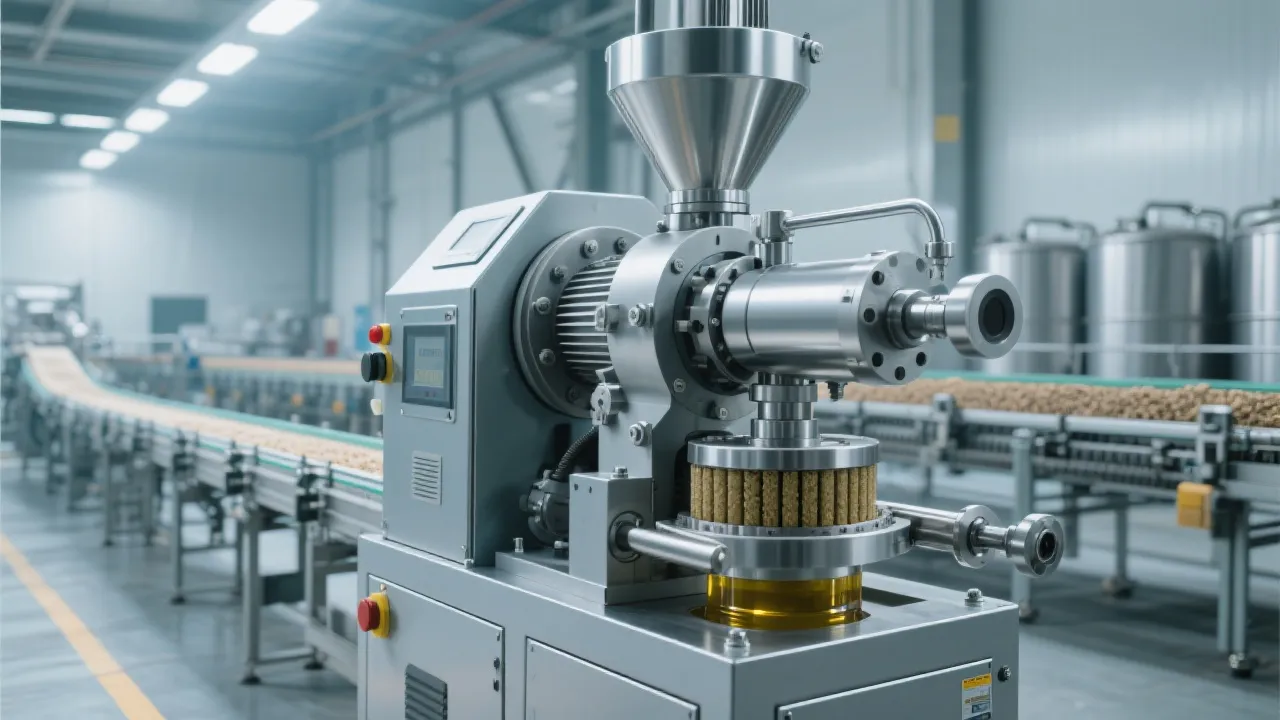
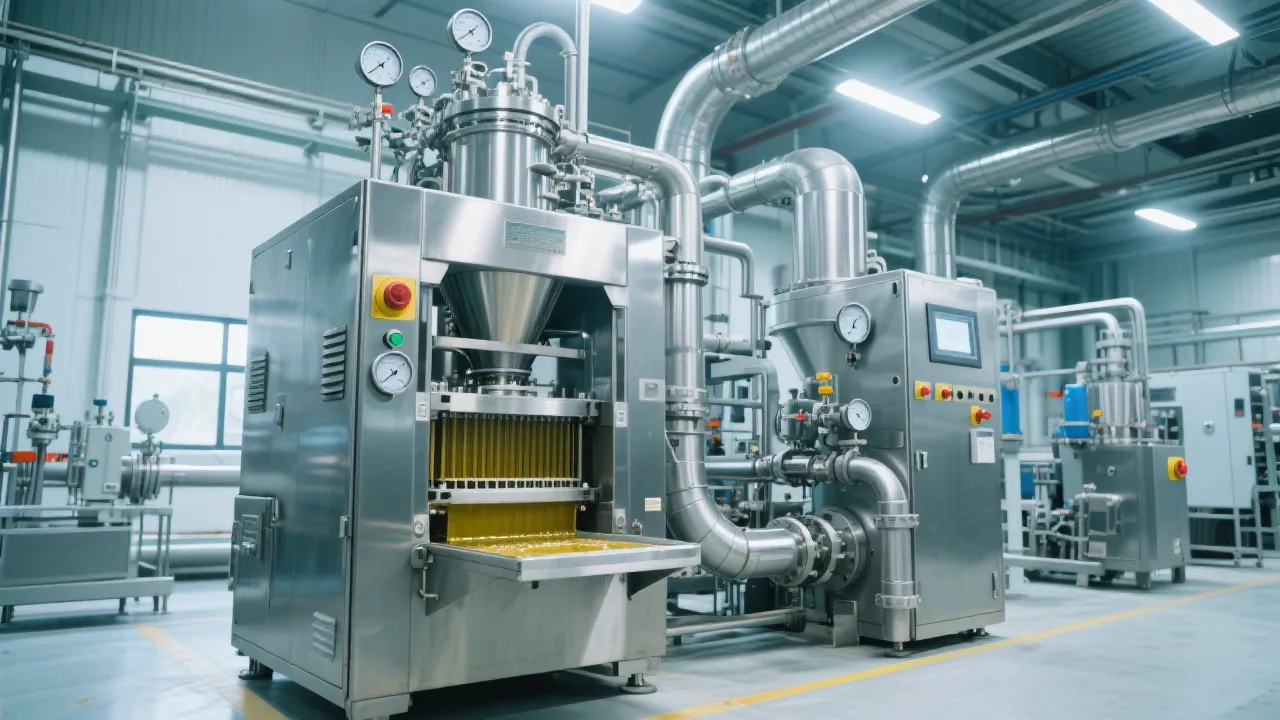
The peanut oil refining equipment has witnessed significant technological breakthroughs. The combination of cold and hot pressing processes is a key innovation. This synergistic process not only improves the refining efficiency but also ensures food safety. Cold pressing preserves the natural nutrients in peanuts, while hot pressing can increase the oil yield. Advanced refining technologies also enhance the purity of the oil, removing impurities and harmful substances. For example, the new refining equipment can reduce the acid value and peroxide value of peanut oil, meeting the strictest food safety standards.
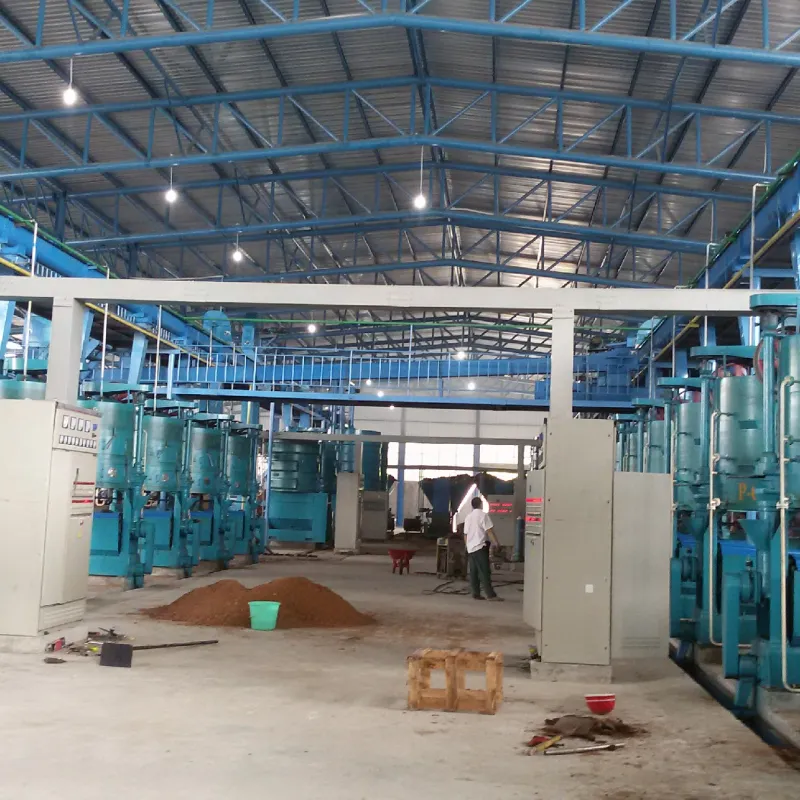
Different - sized enterprises, from small and medium - sized oil mills to multinational traders, have different value - realization paths. Small and medium - sized oil mills often face challenges such as limited capital and high production costs. The energy - saving peanut oil refining equipment can help them reduce energy consumption and labor costs. For example, the automatic peanut oil production line of Qiya Group can reduce energy consumption by up to 30% and labor costs by 40% through its intelligent control system. On the other hand, large multinational traders focus more on the scale of production, product quality, and compliance. The green and intelligent production lines can help them meet the strict international standards and enhance their market competitiveness.
Green manufacturing brings multiple market competitive advantages. Firstly, it significantly reduces carbon emissions. By using energy - saving equipment and eco - friendly processes, enterprises can contribute to environmental protection and meet the increasing environmental requirements of the market. Secondly, it enhances compliance. With the stricter regulations on food safety and environmental protection, green manufacturing ensures that enterprises can operate legally and avoid potential penalties. Thirdly, it increases brand premium ability. Consumers are willing to pay more for products that are produced in a green and sustainable way. For instance, there are already more than 50 overseas customers who have adopted this green manufacturing solution and achieved an average annual energy - saving rate of over 18%.
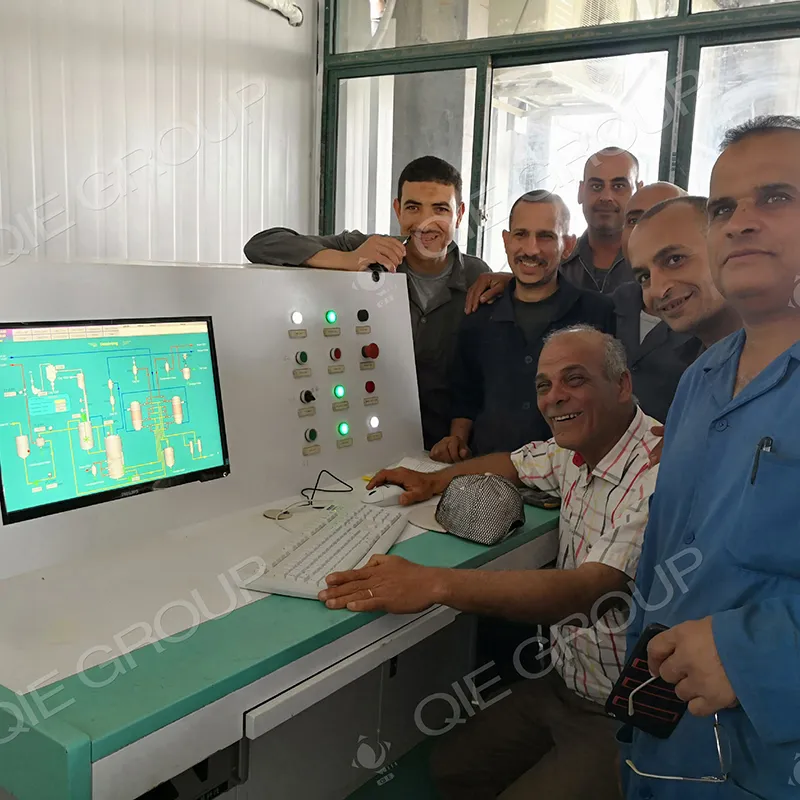
Intelligent upgrades have brought about significant operational changes. The automatic control system allows for real - time monitoring and adjustment of the production process, improving production stability. Remote maintenance reduces the need for on - site technicians, saving time and cost. A customer from a medium - sized oil mill said, "Since we installed the intelligent peanut oil production line, our production efficiency has increased by 25%, and the product quality has become more stable."
Whether you are an oil mill manager or a decision - maker in a trading company, you can obtain practical green manufacturing solutions from the real - world application cases of Qiya Group's automatic peanut oil production line. Don't miss this opportunity to gain a sustainable competitive advantage in the market. Get a customized solution now!
 495
|
495
|
 Intelligent control system for peanut oil press
ISO9001 quality certification
High - efficiency pressing equipment
Oil - making solutions for agricultural cooperatives
Remote maintenance of grain and oil equipment
415
|
Intelligent peanut oil press
Intelligent control system
Remote maintenance
Fault diagnosis
Automated production
88
|
Peanut oil press intelligent control
Automated process control tutorial
Intelligent upgrade of grain and oil equipment
Low - energy consumption pressing system
Industrial Internet of Things in food processing
205
|
peanut oil expeller smart control
remote fault diagnosis
high humidity equipment maintenance
predictive maintenance for oil presses
automated oil extraction systems
416
|
Energy - saving peanut oil refining equipment
Cold - pressing vs hot - pressing technology comparison
Grain and oil machinery export standards
Intelligent control production line
Environmental compliance certification
Intelligent control system for peanut oil press
ISO9001 quality certification
High - efficiency pressing equipment
Oil - making solutions for agricultural cooperatives
Remote maintenance of grain and oil equipment
415
|
Intelligent peanut oil press
Intelligent control system
Remote maintenance
Fault diagnosis
Automated production
88
|
Peanut oil press intelligent control
Automated process control tutorial
Intelligent upgrade of grain and oil equipment
Low - energy consumption pressing system
Industrial Internet of Things in food processing
205
|
peanut oil expeller smart control
remote fault diagnosis
high humidity equipment maintenance
predictive maintenance for oil presses
automated oil extraction systems
416
|
Energy - saving peanut oil refining equipment
Cold - pressing vs hot - pressing technology comparison
Grain and oil machinery export standards
Intelligent control production line
Environmental compliance certification











.jpg?x-oss-process=image/resize,m_fill,h_800,w_800/format,webp)
.jpg?x-oss-process=image/resize,m_fill,h_800,w_800/format,webp)
