

The energy-saving technology of peanut oil presses is a crucial innovation for agricultural cooperatives and small and medium-sized oil mills. At the heart of this technology is the intelligent control system, which plays a pivotal role in reducing energy consumption and enhancing operational efficiency. The intelligent control system employs advanced frequency conversion control and multi-level temperature control technologies.
Frequency conversion control adjusts the motor speed according to the actual processing requirements of the press. When the press is handling a large quantity of raw materials, the motor runs at a higher speed; when the workload is light, the motor speed is automatically reduced. This dynamic adjustment can reduce energy consumption by more than 30%. For example, in a traditional peanut oil press, the motor runs at a constant high speed, consuming a large amount of electricity even during idle periods. With frequency conversion control, the energy waste is significantly reduced.
Multi-level temperature control is another key aspect. The press uses a precise temperature sensor to monitor the temperature inside the machine in real-time. Different stages of the pressing process require different temperatures. By accurately controlling the temperature at each stage, the press can ensure the best oil extraction rate while saving energy. For instance, during the preheating stage, the temperature is gradually increased to a suitable level; during the pressing stage, the temperature is maintained within a narrow range to optimize the oil extraction process.
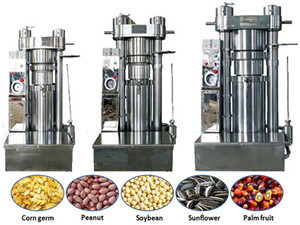
To better understand the practical performance of the energy-saving peanut oil press, let's look at some real - world cases in Africa and Southeast Asia. In an agricultural cooperative in Nigeria, after installing the energy - saving peanut oil press, the energy consumption per ton of peanuts processed was reduced by 35%. At the same time, the oil extraction rate increased from 40% to 43%, which means more oil can be produced from the same amount of peanuts. This not only reduced the production cost but also increased the revenue of the cooperative.
In a small - scale oil mill in Indonesia, the press showed excellent performance in terms of production stability. The daily output of peanut oil remained stable within a small fluctuation range, which is crucial for meeting the market demand. The energy - saving press also helped the mill to achieve environmental compliance, as it reduced the carbon emissions associated with energy consumption.
| Region | Energy Consumption Reduction | Oil Extraction Rate Increase | Production Stability |
|---|---|---|---|
| Nigeria | 35% | From 40% to 43% | High |
| Indonesia | 32% | From 38% to 41% | High |
To ensure the long - term efficient operation and energy - saving effect of the peanut oil press, proper maintenance and parameter optimization are essential. Regularly clean the press to remove peanut residues and debris, which can prevent blockages and ensure smooth operation. Check the lubrication system regularly to ensure that all moving parts are well - lubricated, reducing friction and energy consumption.
Optimize the operating parameters according to the type and quality of peanuts. For example, adjust the pressing pressure and temperature based on the moisture content and oil content of peanuts. By fine - tuning these parameters, the press can achieve the best oil extraction rate and energy - saving effect.
The energy - saving technology of the peanut oil press helps agricultural cooperatives and small and medium - sized oil mills achieve environmental compliance. In many countries, there are strict environmental regulations regarding energy consumption and carbon emissions. By using the energy - saving press, these enterprises can reduce their carbon footprint and meet the environmental requirements.
At the same time, the energy - saving press significantly reduces the operating cost. The 30% or more reduction in energy consumption directly translates into lower electricity bills. The increased oil extraction rate also means more products can be sold, increasing the revenue. Overall, the profit margin of the enterprises is greatly improved.
If you are an agricultural cooperative or a small and medium - sized oil mill looking for a green and profitable oil - making solution, don't miss this opportunity. Click here to learn more about our energy - saving peanut oil press and take the first step towards a more sustainable and profitable future!
 435
|
435
|
 smart sunflower oil extraction equipment
pressure control technology
oil extraction rate optimization
equipment maintenance guide
grain and oil processing machinery
401
|
intelligent pressure oil extraction equipment
high-strength wear-resistant materials
sunflower seed oil extraction machine
oil press maintenance guide
grain and oil processing equipment
120
|
peanut oil press machine energy efficiency
low energy consumption oil press
smart control system for oil press
oil yield optimization technology
industrial oil extraction equipment
42
|
peanut oil press energy efficiency
small scale oil mill upgrades
intelligent oil pressing technology
oil extraction rate improvement
agricultural cooperative machinery
356
|
sunflower seed oil extractor maintenance
intelligent pressure oil extraction equipment
sunflower oil machinery fault diagnosis
grain and oil processing equipment maintenance schedule
sunflower seed oil press operating guide
smart sunflower oil extraction equipment
pressure control technology
oil extraction rate optimization
equipment maintenance guide
grain and oil processing machinery
401
|
intelligent pressure oil extraction equipment
high-strength wear-resistant materials
sunflower seed oil extraction machine
oil press maintenance guide
grain and oil processing equipment
120
|
peanut oil press machine energy efficiency
low energy consumption oil press
smart control system for oil press
oil yield optimization technology
industrial oil extraction equipment
42
|
peanut oil press energy efficiency
small scale oil mill upgrades
intelligent oil pressing technology
oil extraction rate improvement
agricultural cooperative machinery
356
|
sunflower seed oil extractor maintenance
intelligent pressure oil extraction equipment
sunflower oil machinery fault diagnosis
grain and oil processing equipment maintenance schedule
sunflower seed oil press operating guide










.jpg?x-oss-process=image/resize,m_fill,h_800,w_800/format,webp)
