In an industry where energy costs typically account for 25-35% of total operational expenses, oil mill operators are constantly seeking ways to optimize resource utilization while maintaining product quality. This comprehensive guide explores how advanced heat recovery systems are transforming energy efficiency in oil extraction processes, delivering measurable ROI through intelligent thermal management.
Traditional oil extraction facilities often operate with energy efficiency levels as low as 30-40%, with significant thermal energy lost through exhaust systems, cooling water, and inefficient machinery. "We were literally watching thousands of dollars go up in smoke through our steam vents before implementing heat recovery," explains Robert Chen, Plant Operations Manager at Golden Harvest Oils, a mid-sized processor handling 150 metric tons of soybeans daily.
A typical continuous oil extraction line consumes approximately 80-120 kWh of electricity and 250-350 kg of steam per metric ton of processed oilseeds. Without proper heat recovery, up to 40% of this thermal energy is lost to the environment.
The initial drying process, which reduces moisture content from 12-15% to 6-8% for optimal pressing, represents significant heat recovery potential. Modern heat exchangers can capture 60-70% of the waste heat from dryer exhaust, redirecting it to preheat incoming air or process water.
"By installing a counter-flow heat exchanger on our rotary dryer, we reduced natural gas consumption by 28% in the preprocessing stage alone," notes Maria Gonzalez, Process Engineer at OlivePress International. "The system paid for itself in just 14 months."
During the pressing stage, approximately 85% of the energy input is converted to heat through friction and mechanical work. Advanced hydraulic press systems now incorporate heat recovery loops that capture this waste energy, using it to preheat oilseed or maintain optimal processing temperatures.
Case Study: Sunflower Oil Plant in Romania
A medium-scale sunflower processor implemented a combined heat and power (CHP) system with heat recovery from press operations. Results after 12 months:
• 32% reduction in electricity costs
• 27% lower steam consumption
• 18% increase in overall plant efficiency
• Estimated annual savings: $84,500 USD
Deodorization and distillation processes in oil refining require precise temperature control and generate substantial waste heat. Multiple-effect evaporators and heat pump systems can recover up to 75% of this thermal energy, significantly reducing boiler load.
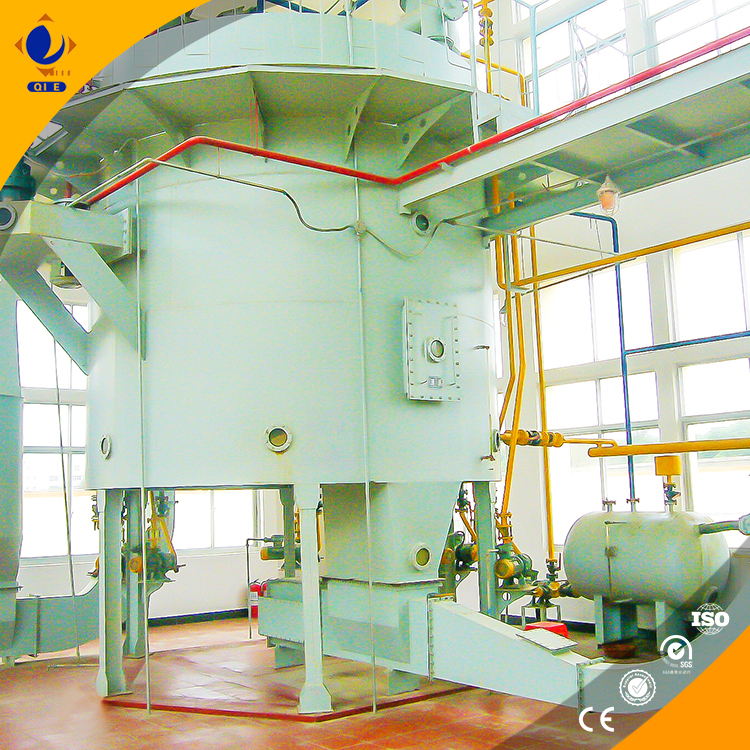
Implementing a successful heat recovery solution requires integration of several key components:
When evaluating heat recovery options, plant managers should consider several factors beyond simple payback period. "It's not just about installing equipment; it's about optimizing the entire energy ecosystem," advises Dr. James Wilson, Energy Efficiency Consultant with the International Association of Edible Oil Processors.
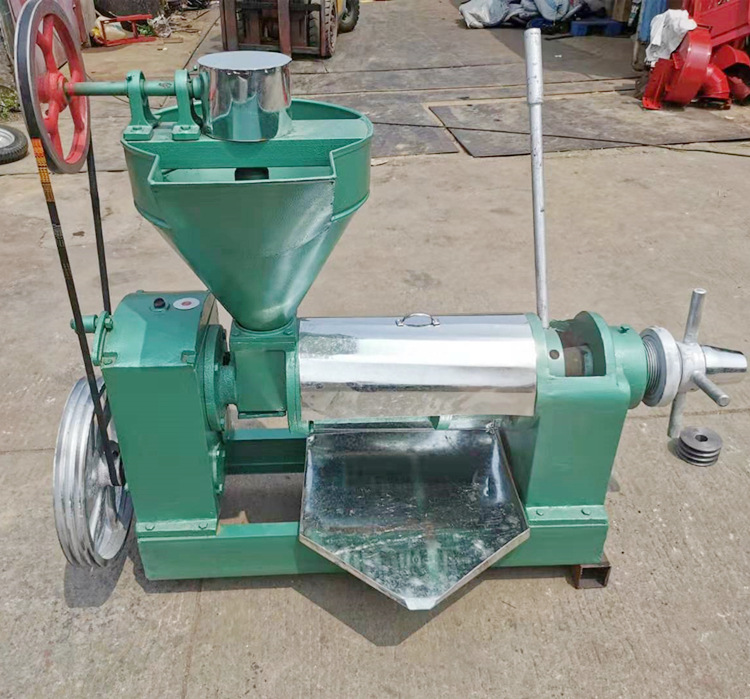
Key implementation considerations include:
Ready to Transform Your Oil Mill's Energy Efficiency?
Download our exclusive "Oil Processing Heat Recovery Optimization Guide" featuring:
• Step-by-step energy audit checklist
• ROI calculator for heat recovery investments
• Case studies with detailed implementation plans
• Expert recommendations for different oilseed types
Get Your Free Guide Now
Many processors find that the most significant gains come from combining heat recovery with other efficiency measures. "We integrated heat recovery with variable frequency drives on our main processing line and saw a combined energy reduction of 38%," reports Chen. "The synergies between these technologies created results better than either could achieve alone."
As energy costs continue to rise and environmental regulations become more stringent, heat recovery systems are transitioning from optional upgrades to essential investments for competitive oil processing operations. The technology has advanced to the point where even smaller facilities can achieve meaningful returns, with payback periods typically ranging from 12 to 36 months depending on scale and application.
 145
|
145
|
 Peanut oil press energy-saving technology
Low-energy oil extraction equipment
Agricultural cooperative oil extraction solutions
Oil mill energy-saving transformation
Intelligent press control system
484
|
peanut oil press machine selection
energy-saving oil press maintenance
oil press machine technical parameters
intelligent peanut oil press recommendation
small and medium oil plant equipment
75
|
peanut oil refining technology
energy-efficient edible oil equipment
green oil processing machinery
automated peanut oil production line
smart grain processing systems
457
|
Intelligent control system
Peanut oil press
Automated production
Energy conservation
ISO9001 quality certification
476
|
Peanut oil press intelligent control
Low - energy consumption pressing equipment
Automated production control
ISO9001 quality certification
Southeast Asian market peanut oil equipment
Peanut oil press energy-saving technology
Low-energy oil extraction equipment
Agricultural cooperative oil extraction solutions
Oil mill energy-saving transformation
Intelligent press control system
484
|
peanut oil press machine selection
energy-saving oil press maintenance
oil press machine technical parameters
intelligent peanut oil press recommendation
small and medium oil plant equipment
75
|
peanut oil refining technology
energy-efficient edible oil equipment
green oil processing machinery
automated peanut oil production line
smart grain processing systems
457
|
Intelligent control system
Peanut oil press
Automated production
Energy conservation
ISO9001 quality certification
476
|
Peanut oil press intelligent control
Low - energy consumption pressing equipment
Automated production control
ISO9001 quality certification
Southeast Asian market peanut oil equipment