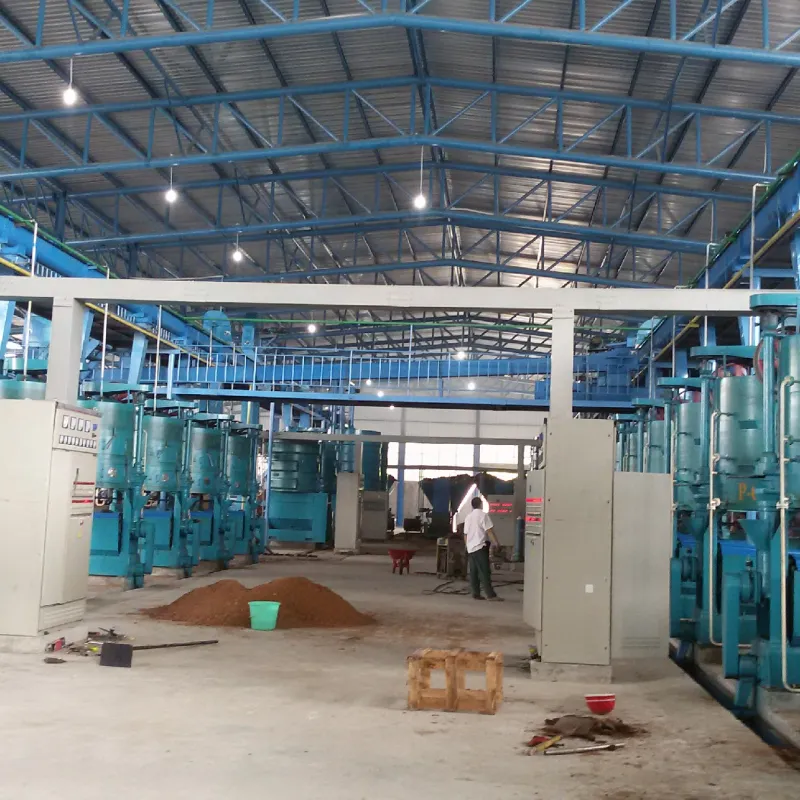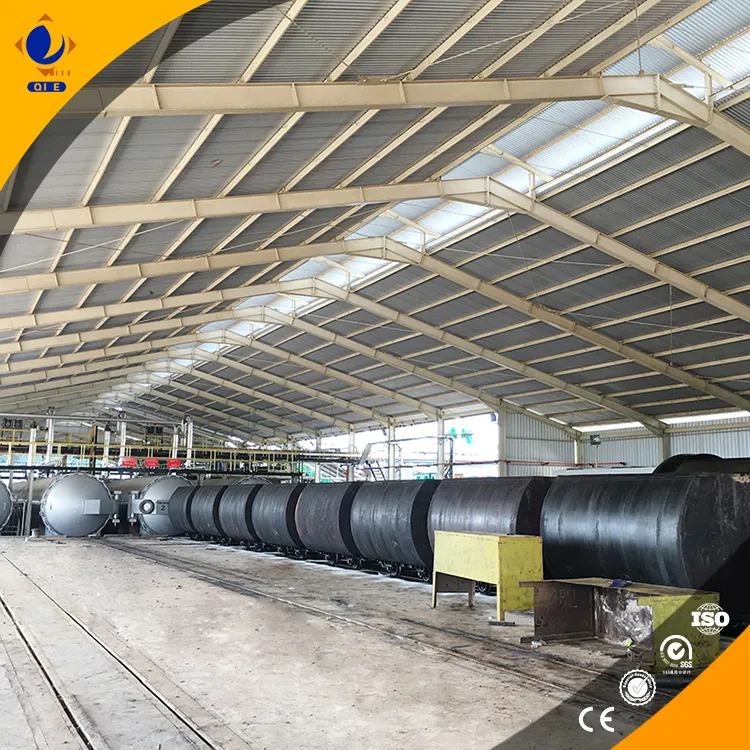
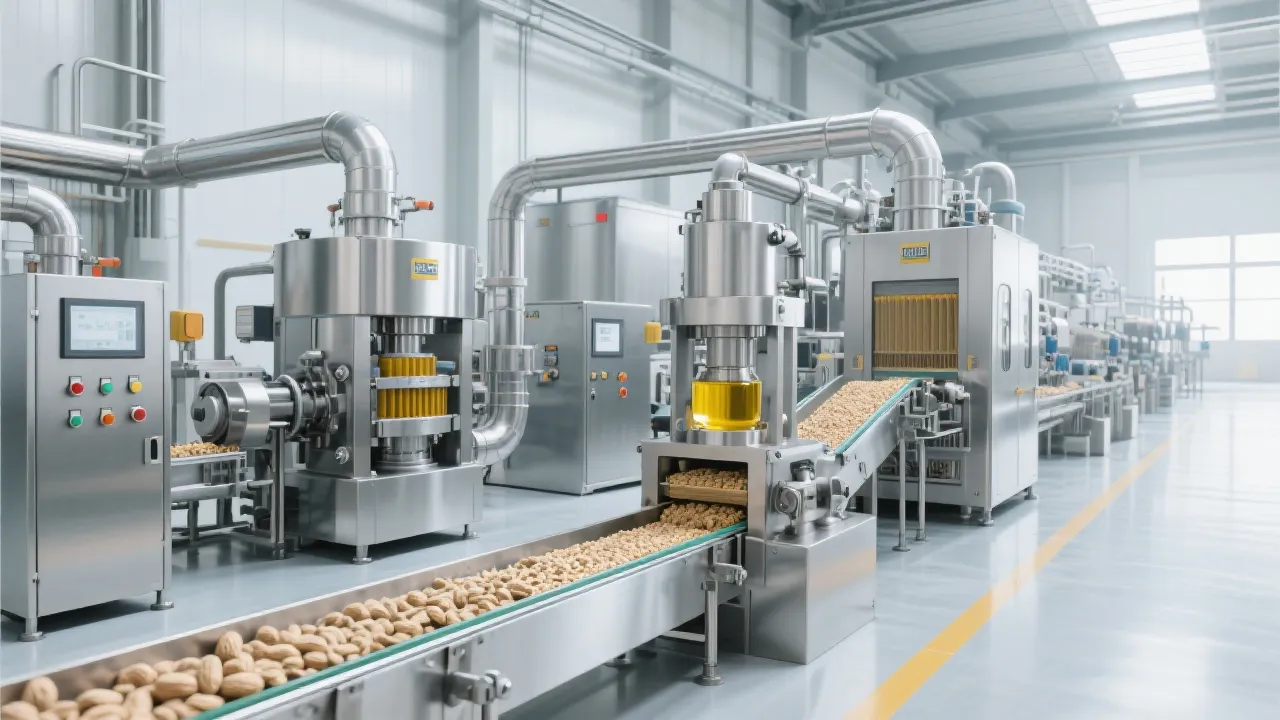
Modern peanut oil production demands not only high throughput but also consistent operational stability. Traditional large-scale peanut oil presses, processing around 2000 tons per hour, often face challenges such as high energy consumption, frequent downtime, and excessive labor dependency. These issues directly impact productivity and product quality. This article explores how integrating intelligent control systems—combining automated process control, real-time monitoring, fault diagnostics, and remote maintenance—with the ISO 9001:2000 quality standards can revolutionize operational stability and efficiency, particularly under demanding conditions such as those found in African and Southeast Asian markets.
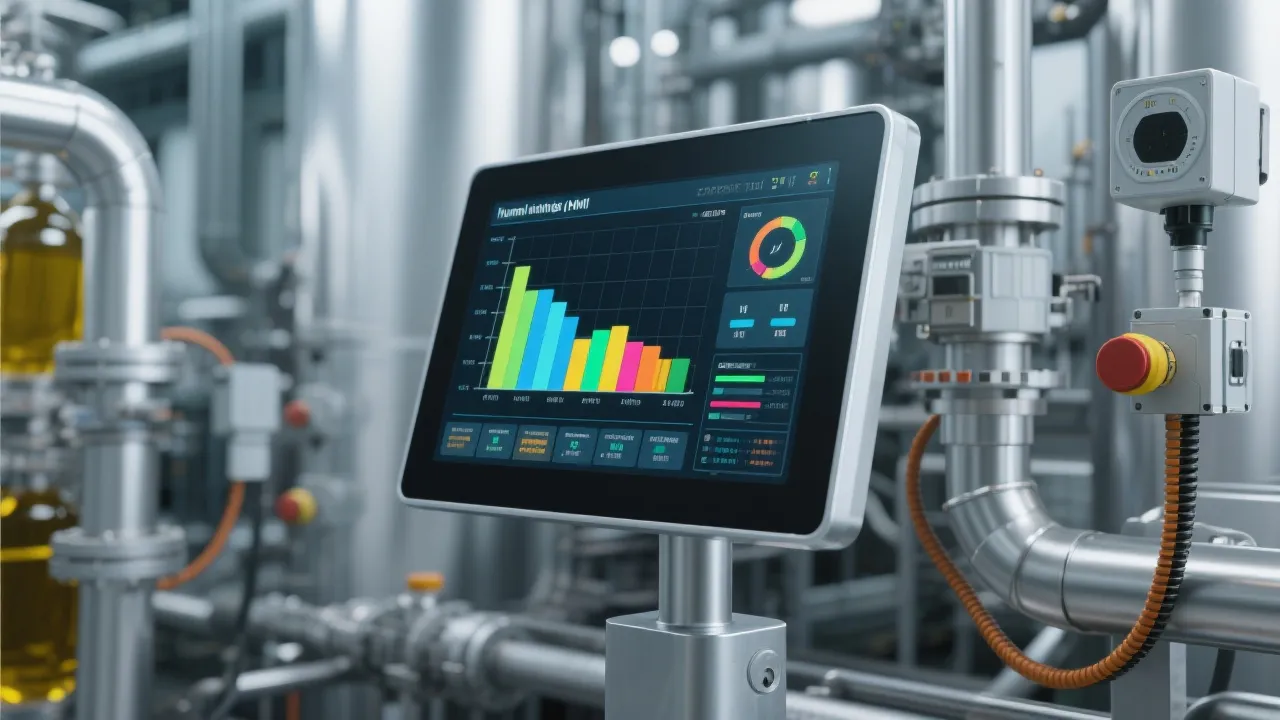
The intelligent control solution is a finely balanced architecture blending hardware robustness and adaptive software algorithms. Key modules include:
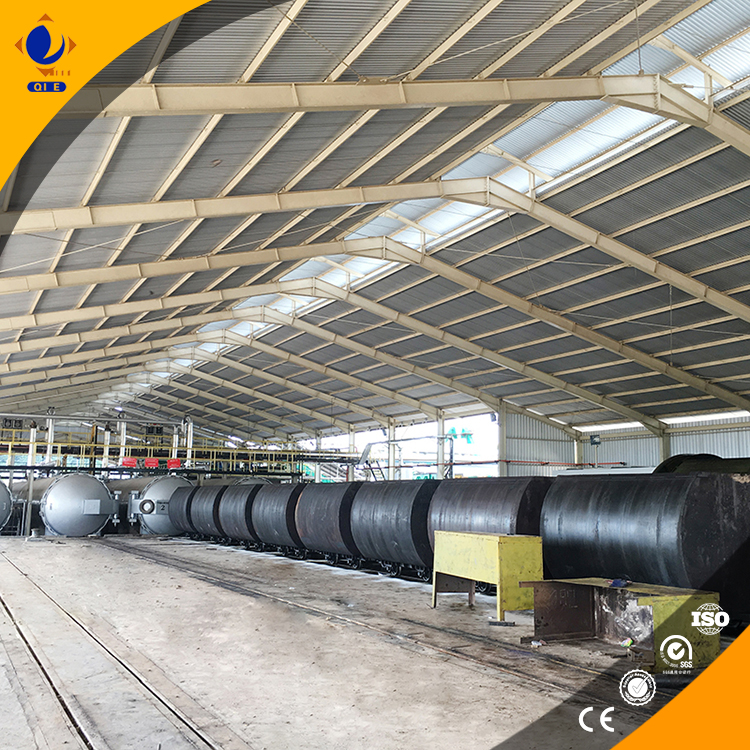
Incorporating ISO 9001:2000 quality management principles into the control system design ensures process consistency and traceability. Specifically,
This standard-driven control approach enhances product homogeneity and supports comprehensive quality audits.
Deployments in tropical climates illustrate the system’s robustness against operational uncertainties:

Successful system integration demands attention to the following:
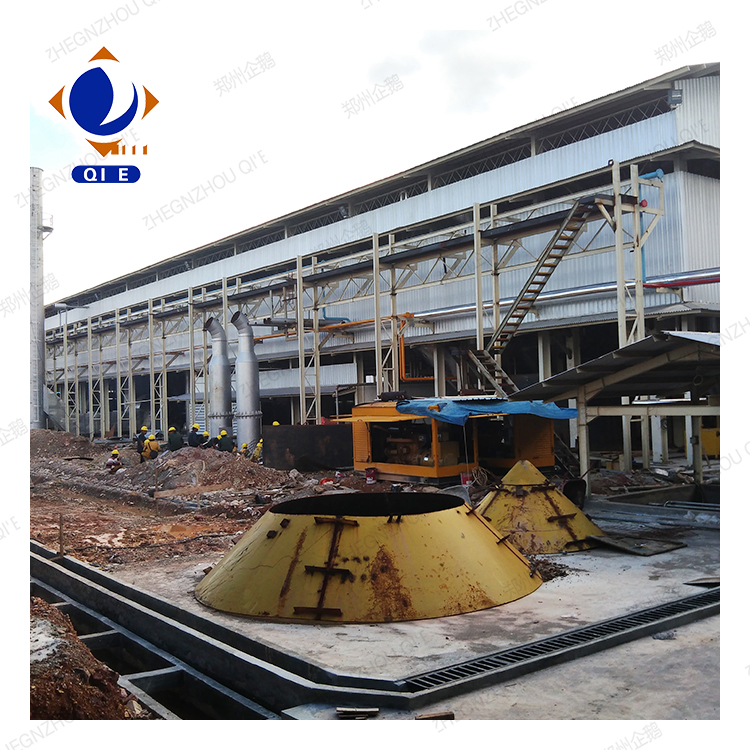
The system architecture follows a logical path:
How has your facility addressed production challenges at high capacity? Share your insights or questions on deploying intelligent controls in complex environments below. Your experience can guide peers navigating similar upgrades.
 299
|
299
|
 energy-saving oil press machine
peanut oil press maintenance
oil press troubleshooting
small to medium oil plant equipment
oil press technical specifications
281
|
energy - saving technology for peanut oil presses
energy consumption optimization in oil mills
low - energy pressing equipment
methods to improve oil yield
equipment upgrade for agricultural cooperatives
198
|
Peanut oil press intelligent control system
Large - scale press automation control
Intelligent press remote operation and maintenance
ISO9001 press equipment control
Energy - efficient oil extraction equipment
342
|
Peanut oil press energy-saving
Intelligent control system
Agricultural cooperative oil production equipment
Energy-saving oil press operating cost
Green oil production solutions
356
|
sunflower seed oil extractor maintenance
intelligent pressure oil extraction equipment
sunflower oil machinery fault diagnosis
grain and oil processing equipment maintenance schedule
sunflower seed oil press operating guide
energy-saving oil press machine
peanut oil press maintenance
oil press troubleshooting
small to medium oil plant equipment
oil press technical specifications
281
|
energy - saving technology for peanut oil presses
energy consumption optimization in oil mills
low - energy pressing equipment
methods to improve oil yield
equipment upgrade for agricultural cooperatives
198
|
Peanut oil press intelligent control system
Large - scale press automation control
Intelligent press remote operation and maintenance
ISO9001 press equipment control
Energy - efficient oil extraction equipment
342
|
Peanut oil press energy-saving
Intelligent control system
Agricultural cooperative oil production equipment
Energy-saving oil press operating cost
Green oil production solutions
356
|
sunflower seed oil extractor maintenance
intelligent pressure oil extraction equipment
sunflower oil machinery fault diagnosis
grain and oil processing equipment maintenance schedule
sunflower seed oil press operating guide









.jpg?x-oss-process=image/resize,m_fill,h_800,w_800/format,webp)
.jpg?x-oss-process=image/resize,m_fill,h_800,w_800/format,webp)