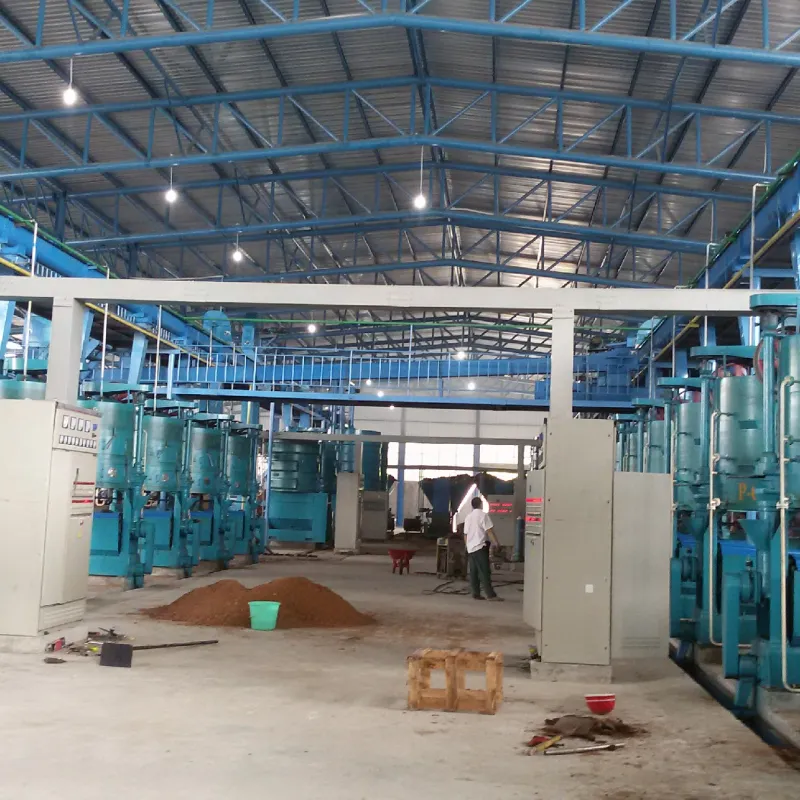
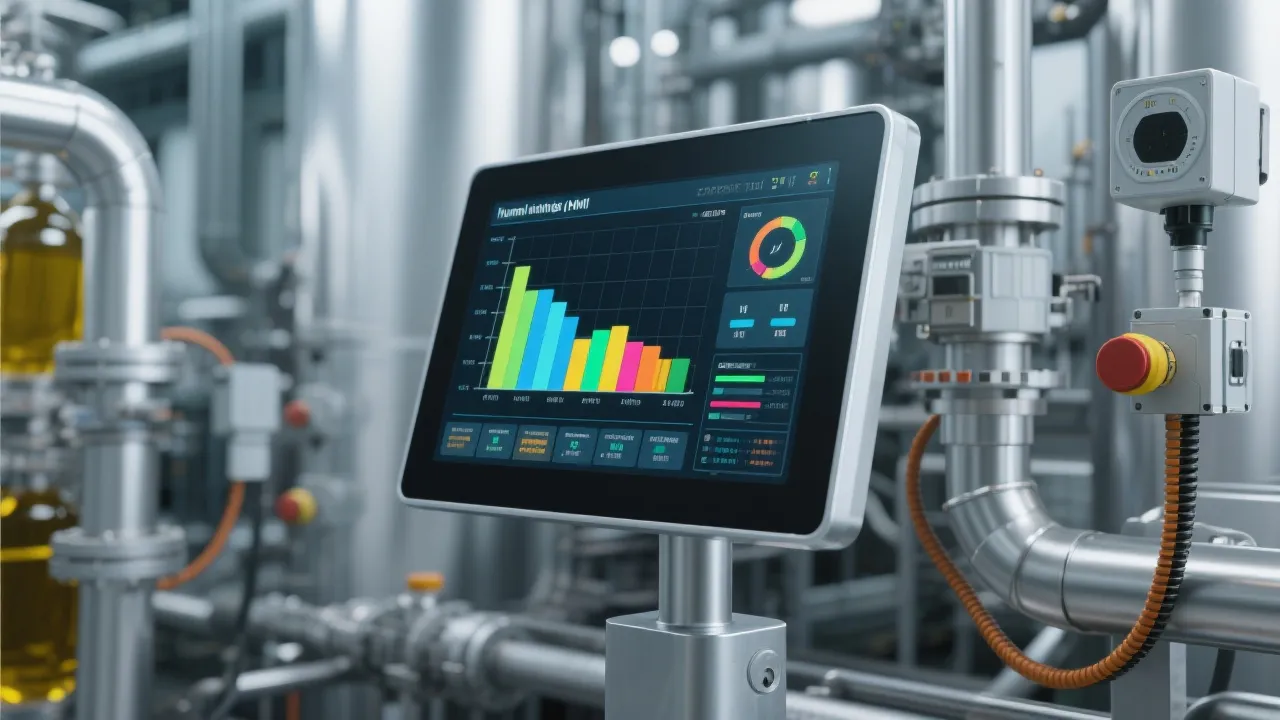
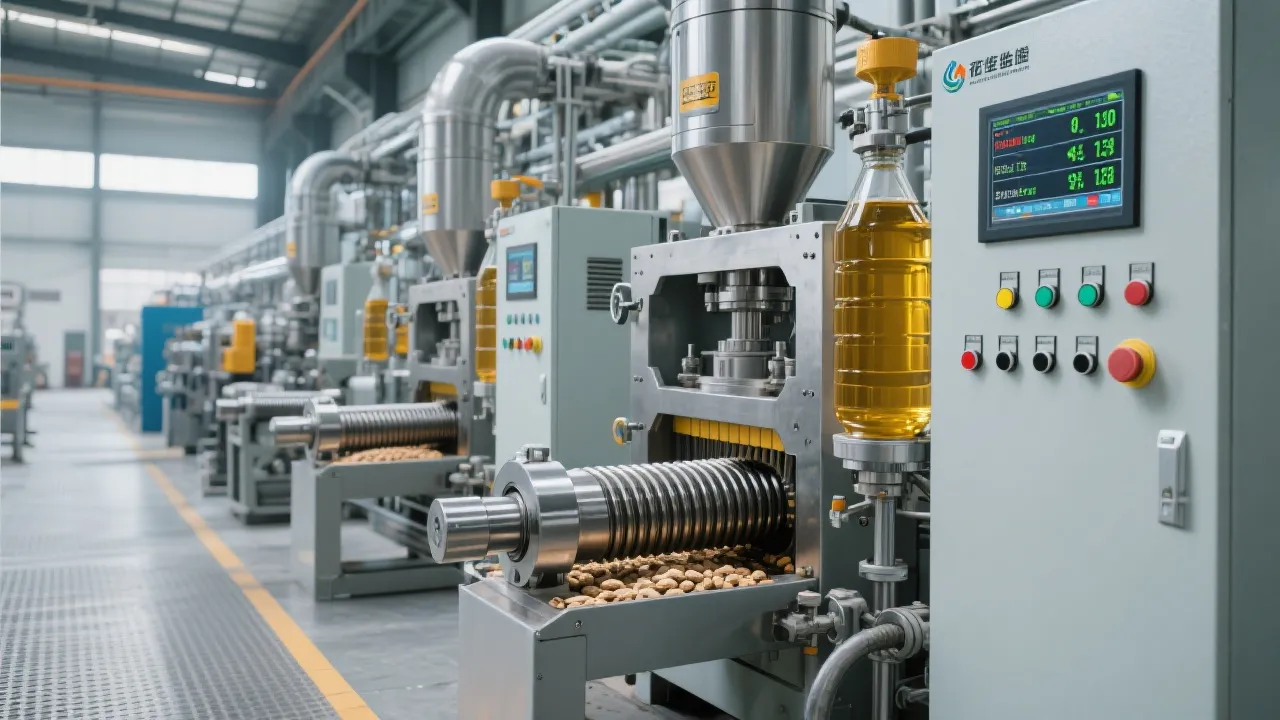
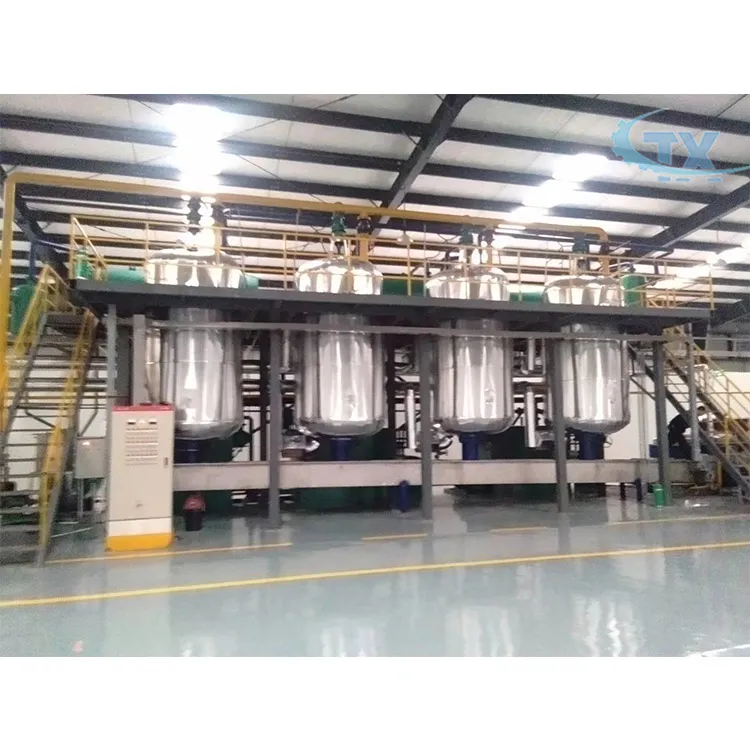
Achieving stable and efficient operation for a peanut oil press handling up to 2000 tons per hour poses significant challenges in large-scale oil extraction. Traditional hydraulic and mechanical controls often result in excessive energy consumption, frequent breakdowns, and heavy reliance on manual interventions. To tackle these pain points, the implementation of an intelligent control system integrating automated process management, real-time monitoring, and advanced fault diagnosis is becoming indispensable for modern grain and oil processing enterprises.
The backbone of an intelligent peanut oil press lies in a three-tier architecture consisting of:
An effective intelligent system includes four critical modules that empower stability and operational excellence:
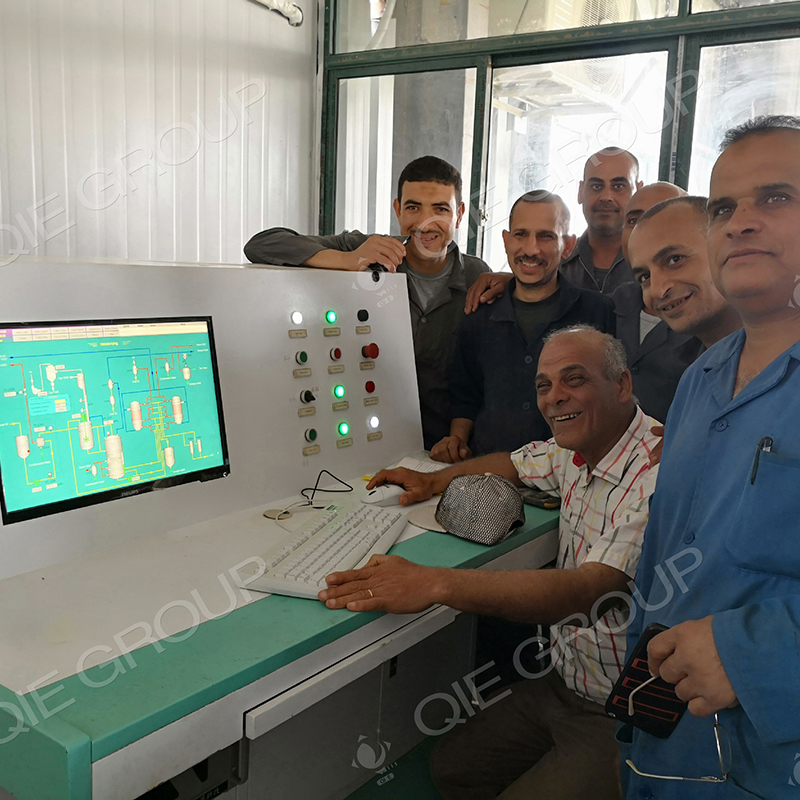
The integration of ISO9001:2000 quality standards ensures stringent traceability and system reliability. Compliance mandates detailed recording of operational data, failure incidents, and corrective actions, fostering continuous improvement cycles. Intelligent systems align perfectly with these requirements by automating data capture and enabling auditable process control, which is critical for quality management in food processing industries.
Adapting to Harsh African Climates: A peanut oil facility operating in sub-Saharan regions experienced frequent temperature spikes and dust interference. Through the intelligent system's automatic parameter reconfiguration and sensor recalibration, it maintained continuous operation with zero unscheduled stops in six months, even during peak heat periods over 45°C.
Resilience in Southeast Asia: In tropical zones prone to power outages, the system's remote diagnostics and automated self-start mechanisms enabled rapid restoration without manual resets, reducing production loss downtime by over 40%.

To maximize the return on intelligent control system investments, consider the following:
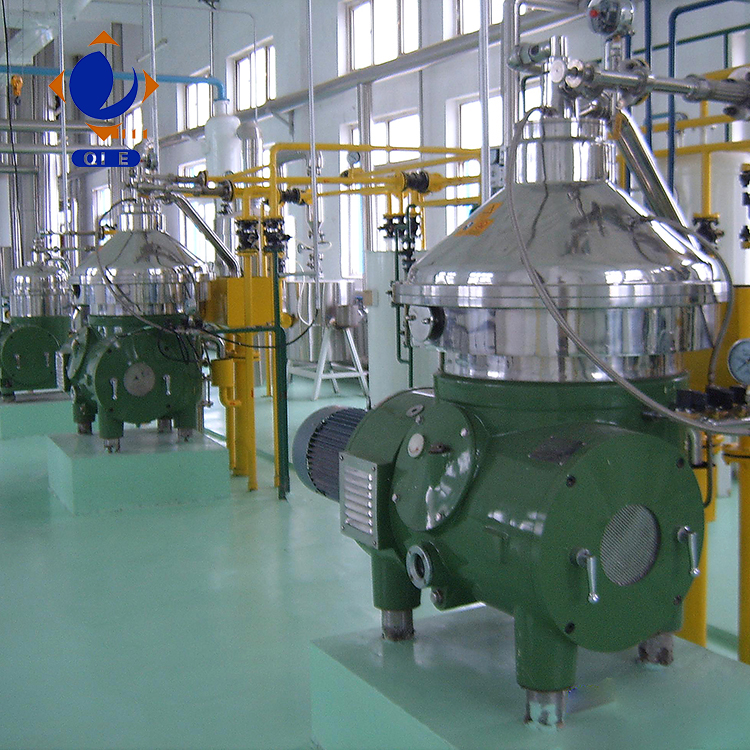
What challenges have you encountered while implementing automation in your oil extraction processes? Share your experiences and insights to foster knowledge exchange.
 345
|
345
|
 peanut oil press selection
energy-efficient oil press maintenance
oil press technical parameters
high-efficiency oil extraction equipment
intelligent oil mill solutions
96
|
peanut oil press machine control system
ISO9001 compliant automation
smart oil extraction technology
real-time monitoring for food processing
remote maintenance in industrial systems
35
|
Peanut oil press selection
Energy - efficient peanut oil press maintenance
High - efficiency press technical parameters
Agricultural cooperative oil - making equipment
Intelligent energy - saving peanut oil press
299
|
energy-saving peanut oil press
low-energy oil extraction equipment
peanut oil production cost reduction
intelligent peanut oil press
agricultural cooperative oil equipment
247
|
peanut oil press selection
energy-saving oil press maintenance
high-efficiency oil press tips
oil press troubleshooting
intelligent oil press care
peanut oil press selection
energy-efficient oil press maintenance
oil press technical parameters
high-efficiency oil extraction equipment
intelligent oil mill solutions
96
|
peanut oil press machine control system
ISO9001 compliant automation
smart oil extraction technology
real-time monitoring for food processing
remote maintenance in industrial systems
35
|
Peanut oil press selection
Energy - efficient peanut oil press maintenance
High - efficiency press technical parameters
Agricultural cooperative oil - making equipment
Intelligent energy - saving peanut oil press
299
|
energy-saving peanut oil press
low-energy oil extraction equipment
peanut oil production cost reduction
intelligent peanut oil press
agricultural cooperative oil equipment
247
|
peanut oil press selection
energy-saving oil press maintenance
high-efficiency oil press tips
oil press troubleshooting
intelligent oil press care









.jpg?x-oss-process=image/resize,m_fill,h_800,w_800/format,webp)

.jpg?x-oss-process=image/resize,m_fill,h_800,w_800/format,webp)