

Modern peanut oil production at an industrial scale demands precision, efficiency, and reliability. The integration of intelligent control systems in peanut oil pressing machines, capable of processing up to 2000 tons per hour, is revolutionizing the oil extraction industry. By automating process controls and enabling remote diagnostics, these systems empower production managers to optimize yield, enhance equipment reliability, and drastically reduce operational costs—even under challenging conditions like high temperature and humidity.
At the heart of these intelligent control systems lies a modular architecture tailored for scalability and robustness. Key components include:
| Functionality | Impact | Quantified Benefit |
|---|---|---|
| Automated Temperature Regulation | Maintains optimal oil pressing environment | +5% increase in oil yield |
| Remote Fault Diagnosis | Reduces maintenance response time | 30% downtime reduction |
| Automated Workflow Sequencing | Optimizes process flow & energy consumption | 15% energy savings |
Unlike traditional manual operations prone to human error and inefficiency, the system implements continuous data acquisition from multiple points along the line. This real-time analysis guides immediate automatic adjustments—for instance, modulating pressing pressure or temperature—to maximize oil output without compromising quality.
Field data suggest that integrating intelligent control with ISO9001-defined process traceability reduces production variance by 25%, ensuring consistent product standards that meet international export criteria.
"Implementing the intelligent control system transformed our plant’s operations amidst challenging tropical conditions — plant manager, East Africa."
These regions pose unique challenges such as high humidity and frequent power interruptions. The system's robust design includes built-in fail-safes and auto-recovery protocols that maintain processing continuity even during transient faults.
For example, a Southeast Asian client reported a 40% decline in emergency shutdown incidence after adopting the control system, directly minimizing product loss and maintenance costs.

Successful deployment goes beyond hardware installation. Key actionable points include:
| Implementation Step | Benefit | Estimated Timeframe |
|---|---|---|
| Alarm Settings Calibration | Minimize downtime, improve alert accuracy | 2 weeks |
| Remote Maintenance Training | Faster troubleshooting, reduced manual errors | 1 month |
| ISO9001 QC Integration | Enhanced traceability, regulatory compliance | Ongoing |
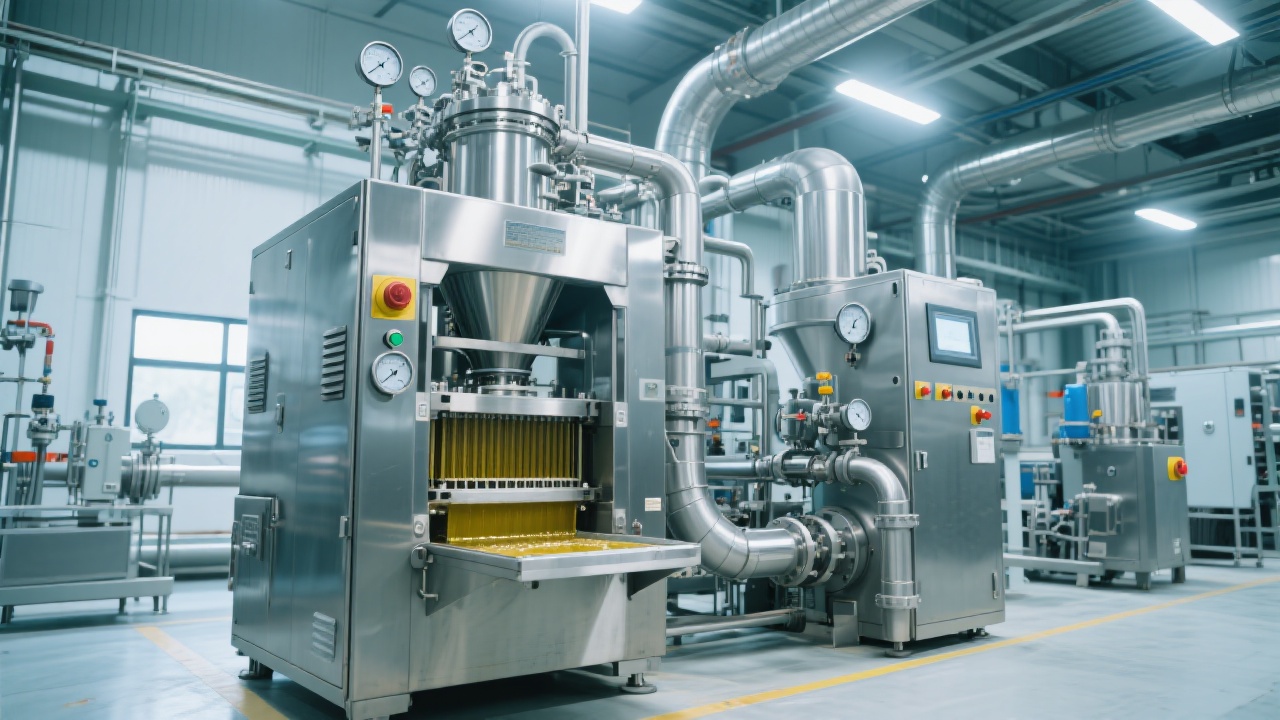
Have you integrated intelligent control systems into your peanut oil production line? What challenges did you encounter, and how did you overcome them? Share your experiences or technical questions to help us build a global community of innovators advancing grain and oil processing technologies.
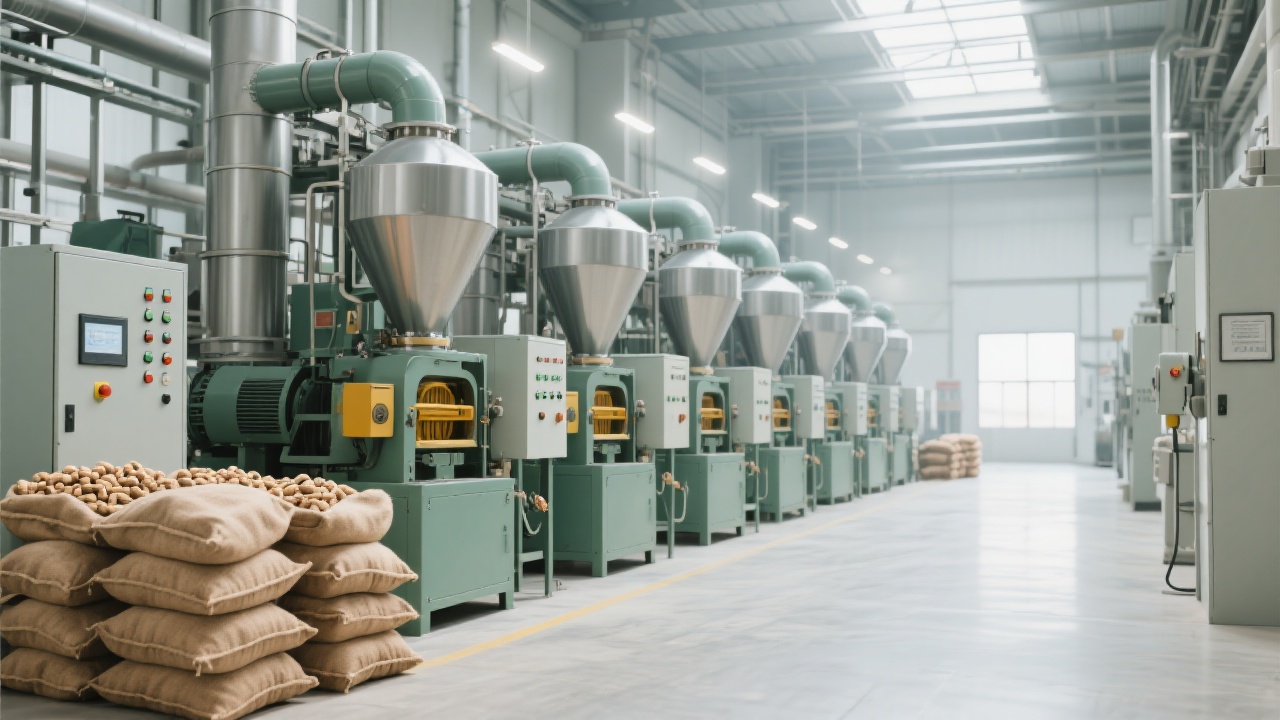 Transform Your Plant: From Manual Control to Intelligent System Mastery
 435
|
435
|
 smart sunflower oil extraction equipment
pressure control technology
oil extraction rate optimization
equipment maintenance guide
grain and oil processing machinery
342
|
Peanut oil press energy-saving
Intelligent control system
Agricultural cooperative oil production equipment
Energy-saving oil press operating cost
Green oil production solutions
83
|
Peanut oil press energy - saving technology
Intelligent temperature control system
Press energy consumption optimization
Agricultural cooperative oil - making equipment
Food processing energy - saving solutions
42
|
peanut oil press energy efficiency
small scale oil mill upgrades
intelligent oil pressing technology
oil extraction rate improvement
agricultural cooperative machinery
356
|
sunflower seed oil extractor maintenance
intelligent pressure oil extraction equipment
sunflower oil machinery fault diagnosis
grain and oil processing equipment maintenance schedule
sunflower seed oil press operating guide
smart sunflower oil extraction equipment
pressure control technology
oil extraction rate optimization
equipment maintenance guide
grain and oil processing machinery
342
|
Peanut oil press energy-saving
Intelligent control system
Agricultural cooperative oil production equipment
Energy-saving oil press operating cost
Green oil production solutions
83
|
Peanut oil press energy - saving technology
Intelligent temperature control system
Press energy consumption optimization
Agricultural cooperative oil - making equipment
Food processing energy - saving solutions
42
|
peanut oil press energy efficiency
small scale oil mill upgrades
intelligent oil pressing technology
oil extraction rate improvement
agricultural cooperative machinery
356
|
sunflower seed oil extractor maintenance
intelligent pressure oil extraction equipment
sunflower oil machinery fault diagnosis
grain and oil processing equipment maintenance schedule
sunflower seed oil press operating guide











.jpg?x-oss-process=image/resize,m_fill,h_800,w_800/format,webp)
