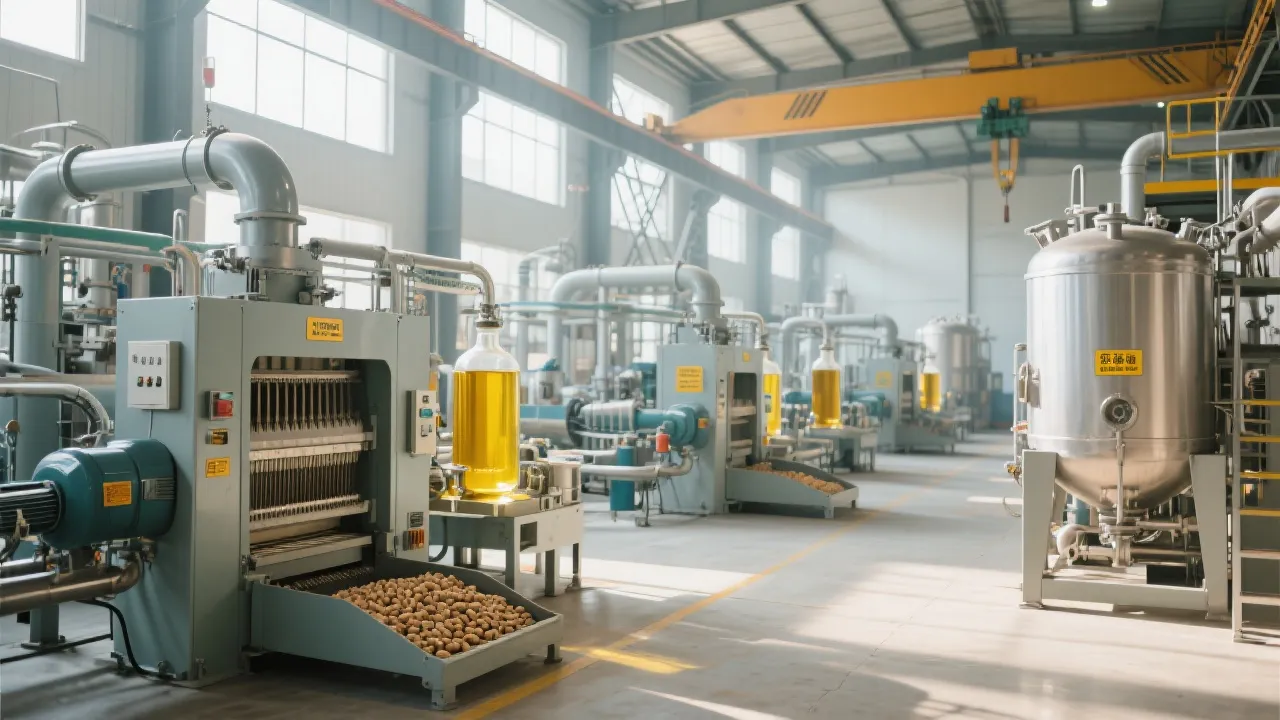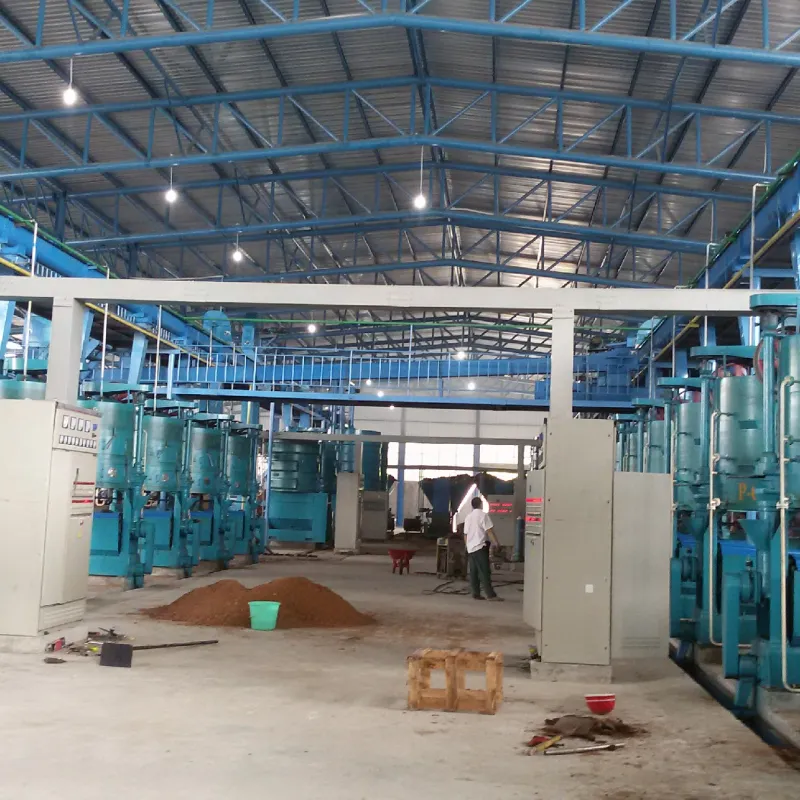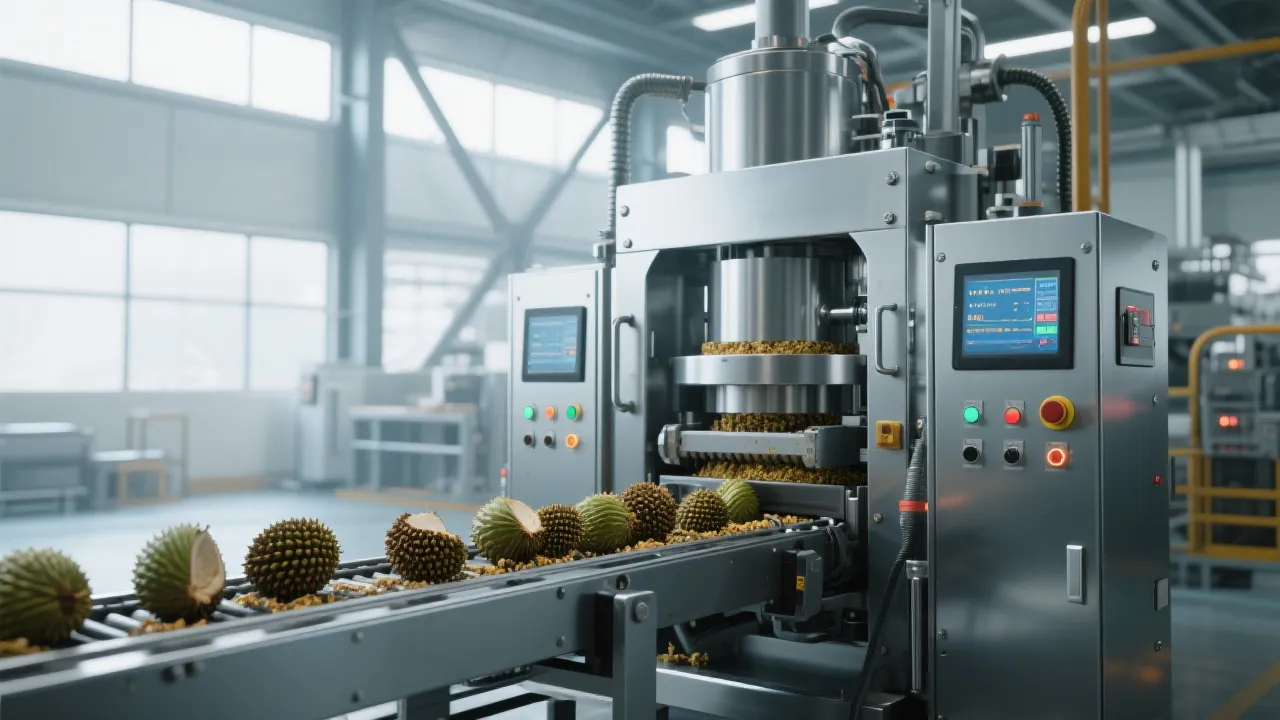
In today's competitive edible oil processing industry, small-scale oil mills face significant challenges in balancing production efficiency, product quality, and operational costs. Traditional peanut oil extraction methods often result in inconsistent oil yields, averaging between 85-90%, while consuming excessive energy and requiring intensive manual labor. However, the integration of intelligent control systems is revolutionizing this landscape, offering a transformative solution for small to medium-sized processing facilities.
Modern intelligent control systems, such as those developed by 企鹅集团 (QIE Group), represent a paradigm shift in oil processing technology. These advanced systems integrate precision sensors, microprocessor-based controllers, and adaptive algorithms to optimize every stage of the peanut oil extraction process. The result is a substantial improvement in operational efficiency, with oil yields consistently reaching 98-100% of theoretical maximum—a significant increase compared to traditional methods.
| Performance Indicator | Traditional Systems | Intelligent Control Systems | Improvement |
|---|---|---|---|
| Oil Yield | 85-90% | 98-100% | +8-15% |
| Energy Consumption | High | Reduced by 20-30% | -20-30% |
| Labor Requirement | 3-4 operators | 1-2 operators | -50-66% |
| Maintenance Downtime | 10-15% of production time | 3-5% of production time | -50-73% |
One of the most significant advantages of intelligent control systems is their ability to automate and optimize processing parameters based on real-time conditions. Unlike traditional systems that rely on manual adjustments and operator experience, these intelligent systems can store hundreds of optimized parameter profiles for different peanut varieties, moisture contents, and desired oil characteristics.
For instance, when processing high-moisture peanuts, the system automatically adjusts preheating time and temperature to prevent protein denaturation, while for low-moisture peanuts, it modifies pressure application rates to maximize oil release without damaging the oil quality. This level of automation not only ensures consistent product quality but also reduces the skill level required for machine operation.
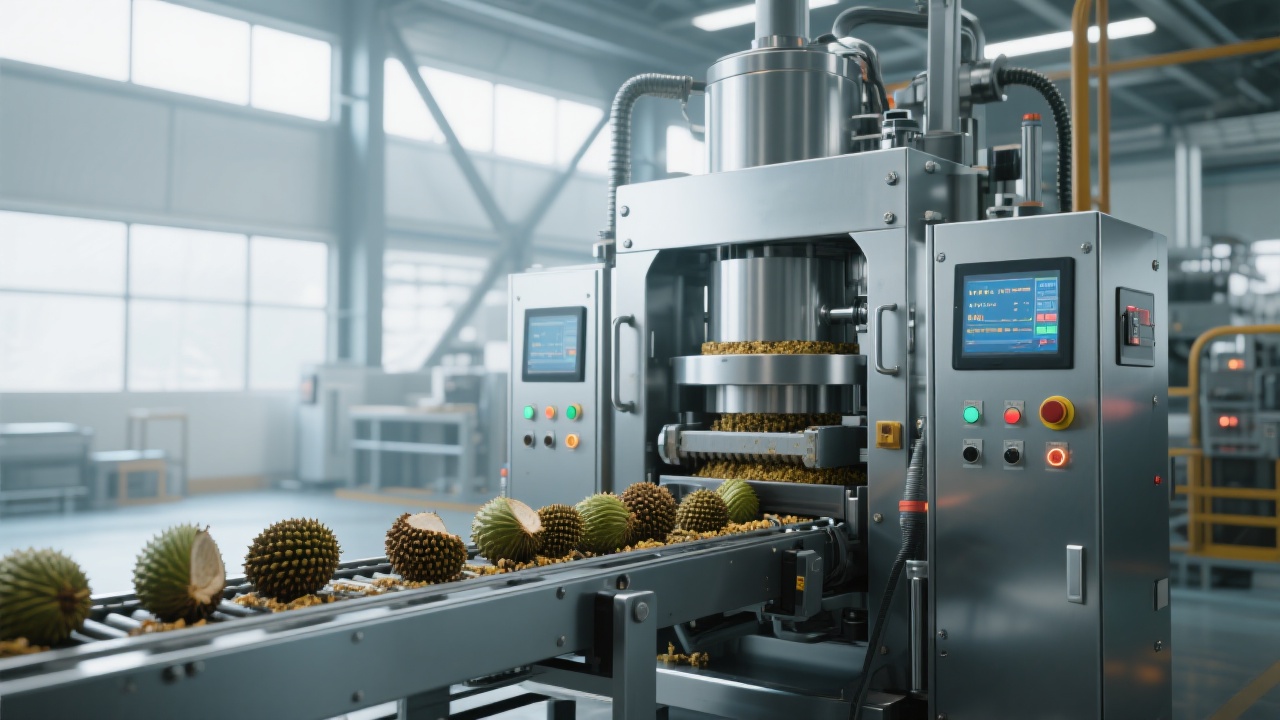
Maintaining optimal temperature and pressure conditions throughout the extraction process is critical for maximizing oil yield and quality. Intelligent control systems employ advanced sensors that monitor these parameters at multiple points within the press, providing real-time data with an accuracy of ±1°C for temperature and ±0.5 bar for pressure.
This continuous monitoring allows for immediate adjustments to maintain the ideal processing environment. For example, during the critical pressing stage, the system maintains temperature within a precise range of 120-130°C, which research has shown to be optimal for peanut oil extraction. Deviations beyond 5°C from this range can result in a 2-3% reduction in oil yield and potential quality issues.
A small-scale oil mill in Thailand implemented an intelligent control system and documented impressive results despite the region's high humidity and temperature variations. The system's adaptive algorithms adjusted processing parameters automatically based on ambient conditions, maintaining consistent oil yields of 98.5% throughout the year, compared to seasonal variations of 82-88% with their previous equipment.
The mill also reported a 27% reduction in energy consumption and a 60% decrease in product variability, leading to improved market acceptance and pricing for their peanut oil.
Unplanned downtime can be devastating for small oil mills with limited production capacity. Intelligent control systems address this challenge through advanced fault self-diagnosis capabilities that can identify potential issues before they escalate into major problems.
These systems continuously monitor equipment performance, lubrication levels, motor currents, and other critical operational parameters. When anomalies are detected, the system provides specific diagnostic information and recommended corrective actions, reducing troubleshooting time by up to 70% compared to traditional equipment.
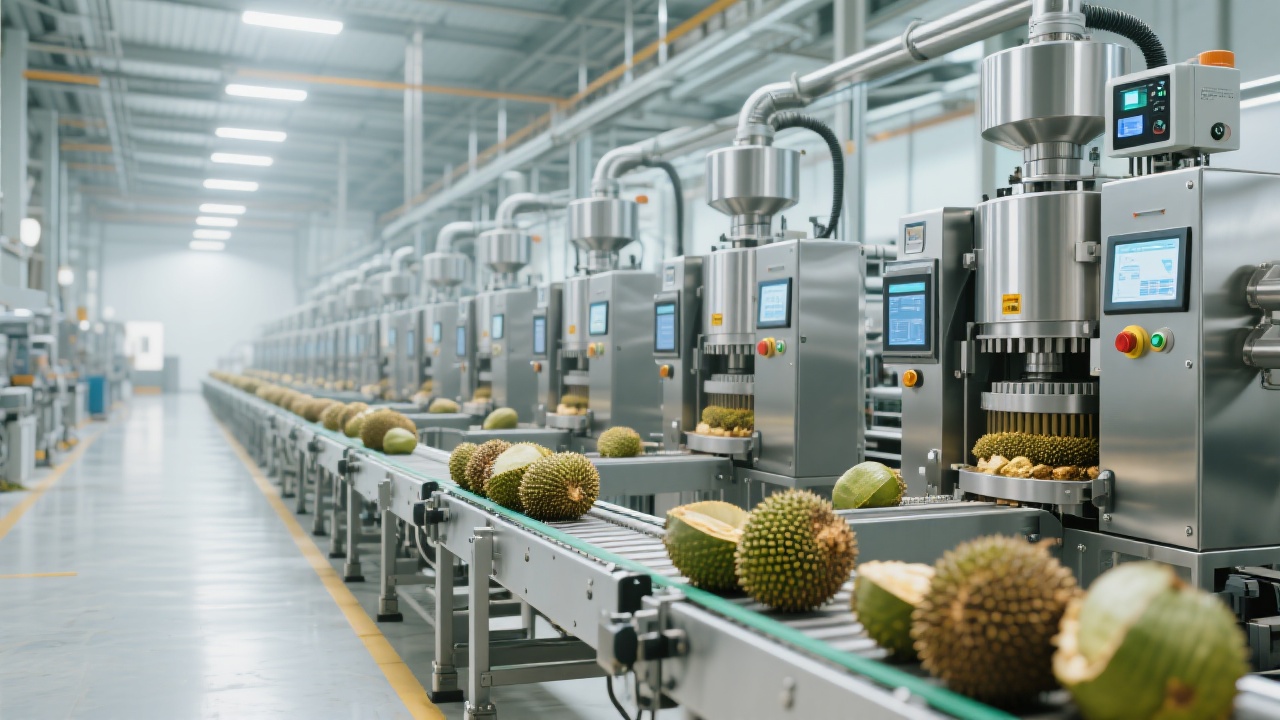
Small-scale oil processors face unique challenges that often differ from larger industrial operations. Limited space, capital constraints, and fluctuating raw material quality require solutions that are both efficient and adaptable. Intelligent control systems are specifically designed to address these challenges through several key features:
Energy consumption typically represents 25-30% of total operational costs for small oil mills. Intelligent systems incorporate variable frequency drives, heat recovery mechanisms, and optimized processing cycles to reduce energy usage by 20-30%. For a typical small mill processing 500kg of peanuts daily, this translates to annual savings of $3,000-$5,000 in energy costs alone.
Recognizing the space constraints of small processing facilities, modern intelligent systems feature compact designs that reduce floor space requirements by up to 30% compared to traditional equipment. This space efficiency allows mills to maximize their production capacity without requiring facility expansion.
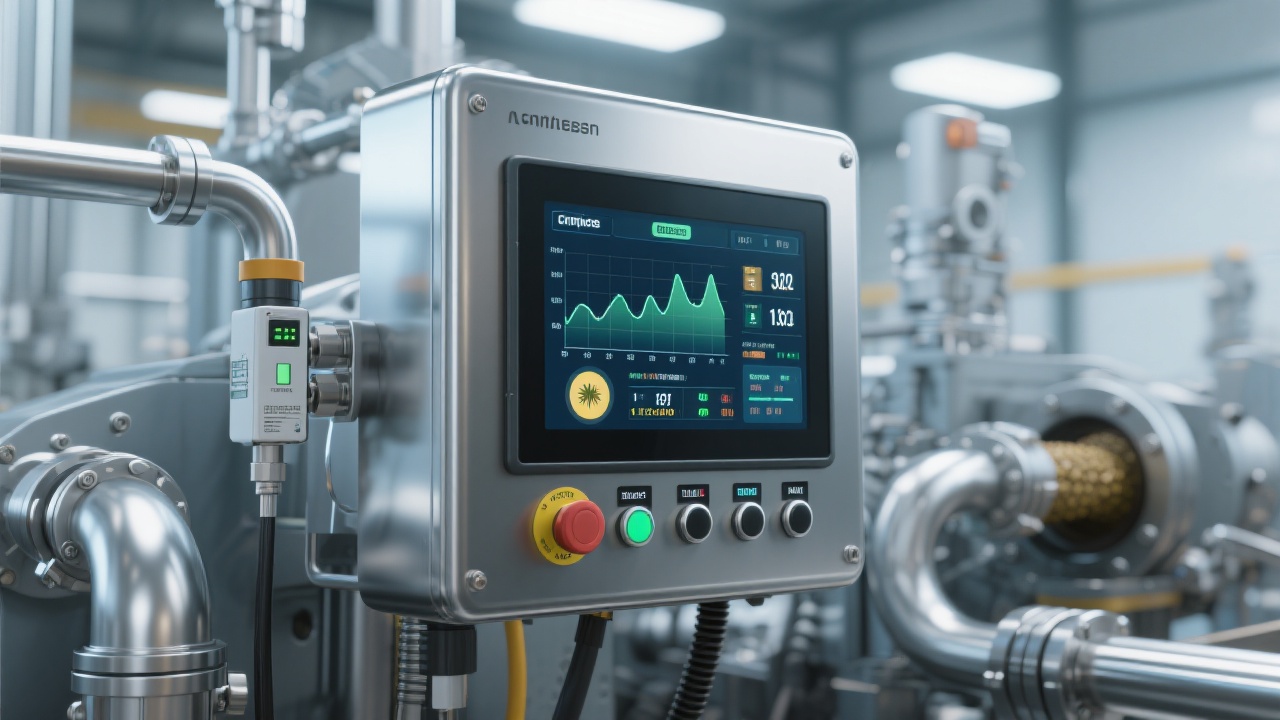
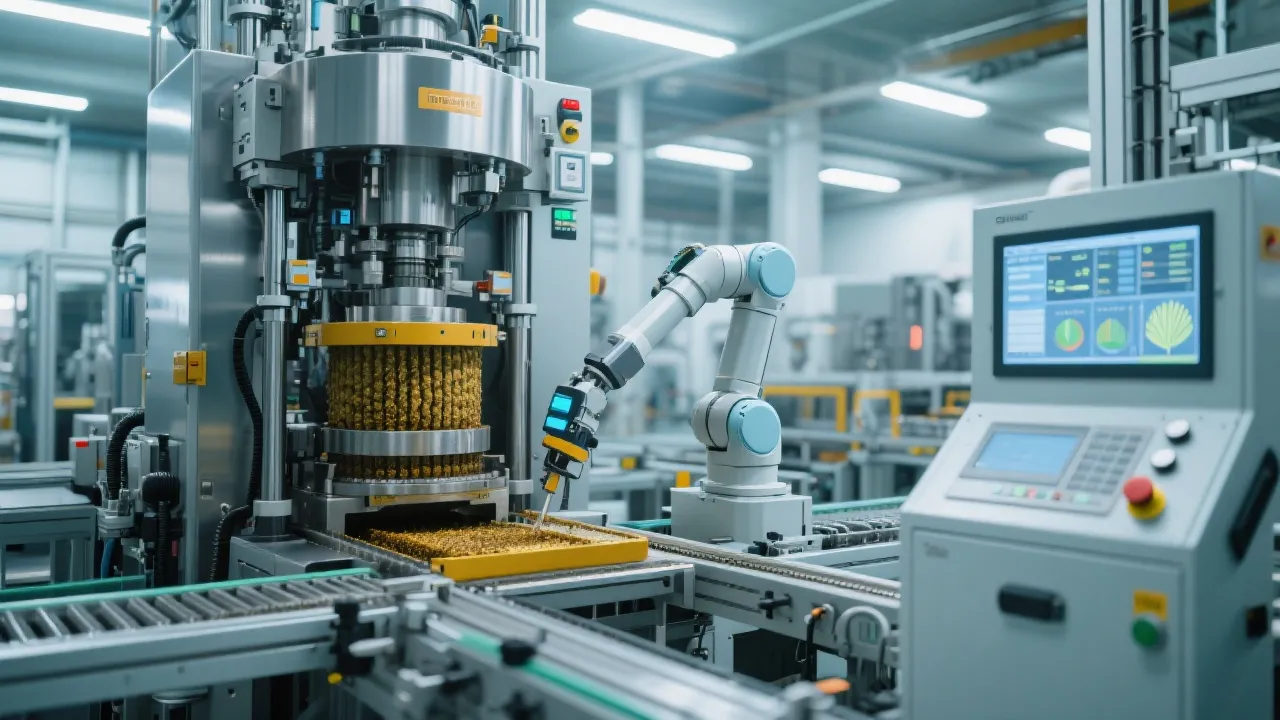
Despite their advanced technology, intelligent control systems feature intuitive interfaces that simplify operation. Touchscreen displays, pre-programmed processing profiles, and clear visual indicators reduce the learning curve for operators, minimizing training time from weeks to just days.
Discover how 企鹅集团 (QIE Group)'s intelligent control systems can help your small oil mill achieve higher yields, lower operational costs, and consistent product quality.
Request a Free Technical ConsultationOur team of experts will analyze your specific production needs and provide a customized solution tailored to your facility.
As the edible oil industry continues to evolve, small-scale processors must embrace technological advancements to remain competitive. Intelligent control systems offer a practical and cost-effective solution that addresses the unique challenges faced by small oil mills, delivering measurable improvements in yield, efficiency, and product quality. By investing in these advanced systems, small processors can position themselves for long-term success in an increasingly demanding market.
The integration of intelligent technology in peanut oil extraction represents more than just a productivity enhancement—it's a strategic investment that pays dividends through improved profitability, operational stability, and market competitiveness. With the right technology partner, small-scale oil mills can achieve operational excellence previously only possible for large industrial facilities.
 66
|
66
|
 peanut oil press machine selection
energy-saving oil press maintenance
oil press technical specifications
green intelligent oil extraction equipment
small and medium oil processing equipment
333
|
energy-efficient peanut oil refining equipment
cold press vs hot press peanut oil
automated peanut oil production line
intelligent oil processing machinery
peanut oil refining solutions
478
|
large-scale oil press equipment selection
edible oil production line solution
oil press model matching guide
vegetable oil processing equipment
automatic oil press advantages
259
|
peanut oil production line
energy-saving optimization
intelligent control system
small and medium oil mills
equipment installation and commissioning
236
|
large-scale oil press equipment selection
vegetable oil processing automation
edible oil production machinery
oil press machine selection guide
oilseed processing equipment parameters
peanut oil press machine selection
energy-saving oil press maintenance
oil press technical specifications
green intelligent oil extraction equipment
small and medium oil processing equipment
333
|
energy-efficient peanut oil refining equipment
cold press vs hot press peanut oil
automated peanut oil production line
intelligent oil processing machinery
peanut oil refining solutions
478
|
large-scale oil press equipment selection
edible oil production line solution
oil press model matching guide
vegetable oil processing equipment
automatic oil press advantages
259
|
peanut oil production line
energy-saving optimization
intelligent control system
small and medium oil mills
equipment installation and commissioning
236
|
large-scale oil press equipment selection
vegetable oil processing automation
edible oil production machinery
oil press machine selection guide
oilseed processing equipment parameters