

In today's rapidly evolving edible oil processing industry, manufacturers face the dual challenge of increasing production efficiency while reducing energy consumption and environmental impact. This technological dilemma has driven significant innovations in oil press machinery, with intelligent energy-saving systems emerging as game-changers for large-scale oil processing facilities.
Modern intelligent peanut oil presses represent the convergence of mechanical engineering, sensor technology, and data analytics. Unlike traditional equipment, these advanced systems integrate multiple technological layers to optimize every aspect of the oil extraction process.
Key Technological Components:
These components work in harmony to create a self-regulating system that continuously optimizes performance while minimizing resource consumption. The integration of these technologies has resulted in equipment that can adapt to varying raw material qualities and environmental conditions, ensuring consistent output and quality.
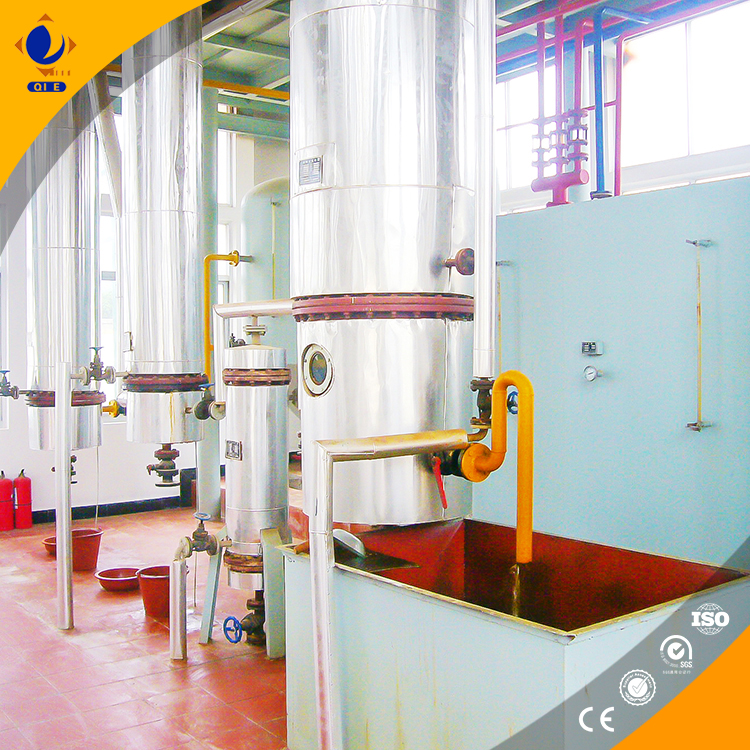
At the heart of intelligent oil press systems lies a sophisticated network of sensors that collect critical operational data. These sensors monitor parameters including pressure, temperature, oil flow rate, moisture content, and motor performance with remarkable precision.
A typical intelligent peanut oil press may incorporate up to 16 different sensors strategically placed throughout the machinery, providing data points every 200 milliseconds. This level of monitoring allows for immediate adjustments to optimize performance and prevent issues before they affect production.
The sensor data is processed through advanced algorithms that identify patterns and optimize operational parameters in real-time. This analytics capability enables the system to:
By continuously analyzing and adjusting these parameters, intelligent systems can maintain optimal extraction efficiency regardless of variations in raw material quality or environmental conditions.
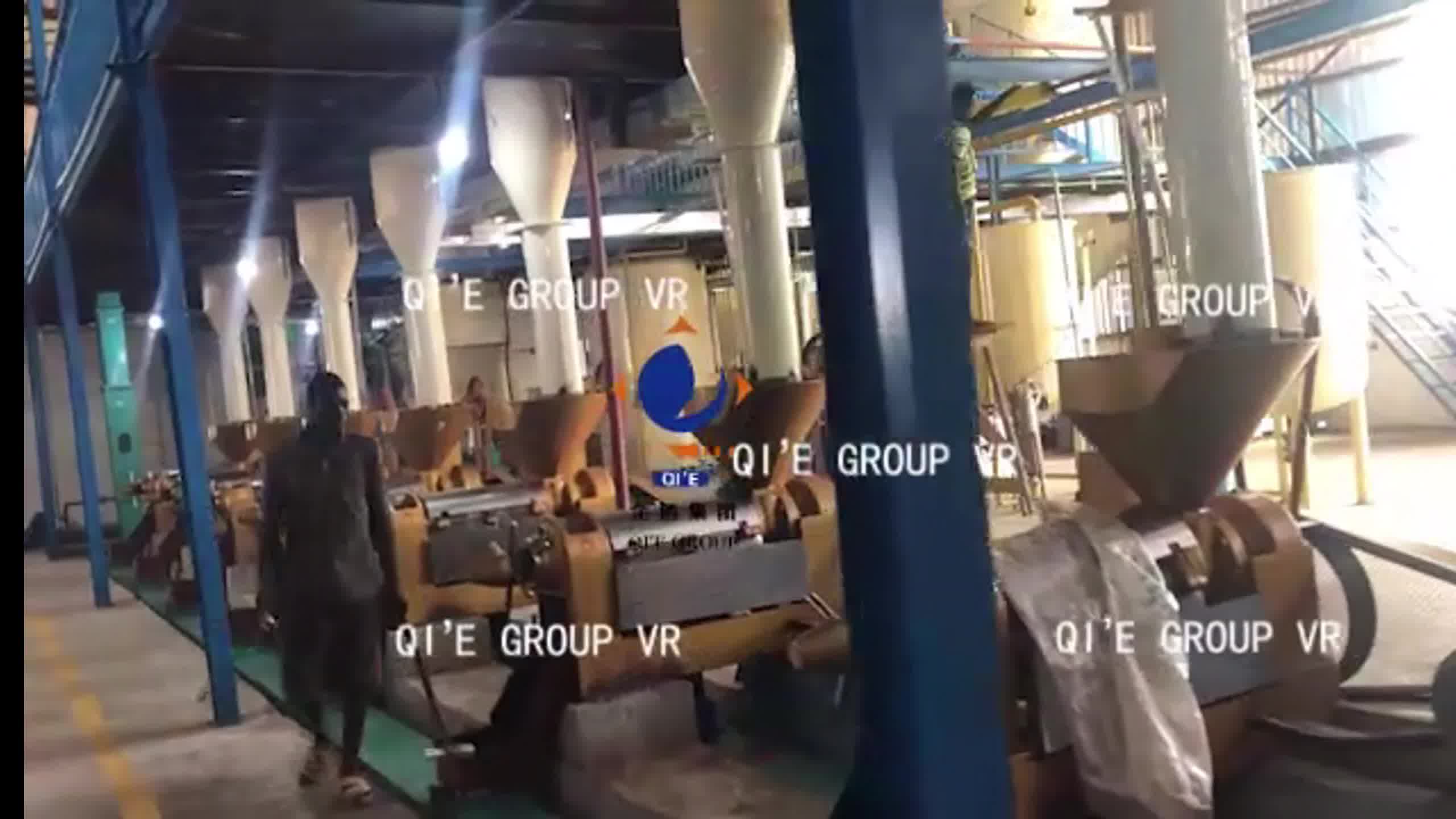
Energy consumption represents a significant operational cost for oil processing facilities. Intelligent peanut oil presses address this challenge through multiple innovative design features that reduce power usage without compromising performance.
Traditional oil presses operate at fixed speeds, consuming maximum power even when full capacity isn't needed. Intelligent systems incorporate variable frequency drives (VFDs) that adjust motor speed based on demand, reducing energy consumption by 15-22% according to industry studies.
Oil extraction generates significant heat that is typically wasted in conventional systems. Modern intelligent presses incorporate heat recovery mechanisms that capture and reuse this thermal energy, further reducing overall energy requirements by an additional 8-12%.
| Energy-Saving Feature | Energy Reduction | Implementation Complexity |
|---|---|---|
| Variable Frequency Drives | 15-22% | Medium |
| Heat Recovery Systems | 8-12% | High |
| Adaptive Load Control | 10-15% | Medium |
| Combined Systems | 28-35% | High |
Unplanned downtime can cost large-scale oil processing facilities thousands of dollars per hour. Intelligent peanut oil presses address this challenge through sophisticated anomaly detection and predictive maintenance capabilities.
By continuously monitoring vibration patterns, temperature differentials, and performance metrics, intelligent systems can detect early warning signs of potential equipment failure. This allows maintenance teams to address issues during scheduled downtime rather than experiencing unexpected production interruptions.
Case Example: Predictive Maintenance in Action
A large peanut oil processing facility in Shandong province implemented intelligent monitoring systems across their production line. Within the first year, they reported a 47% reduction in unplanned downtime and a 32% decrease in maintenance costs. The system successfully predicted bearing failures on three occasions, allowing for scheduled replacements during planned maintenance windows.
Intelligent systems not only detect potential issues but also optimize maintenance schedules based on actual equipment usage and condition. This data-driven approach eliminates unnecessary preventive maintenance while ensuring critical components receive attention before they fail.
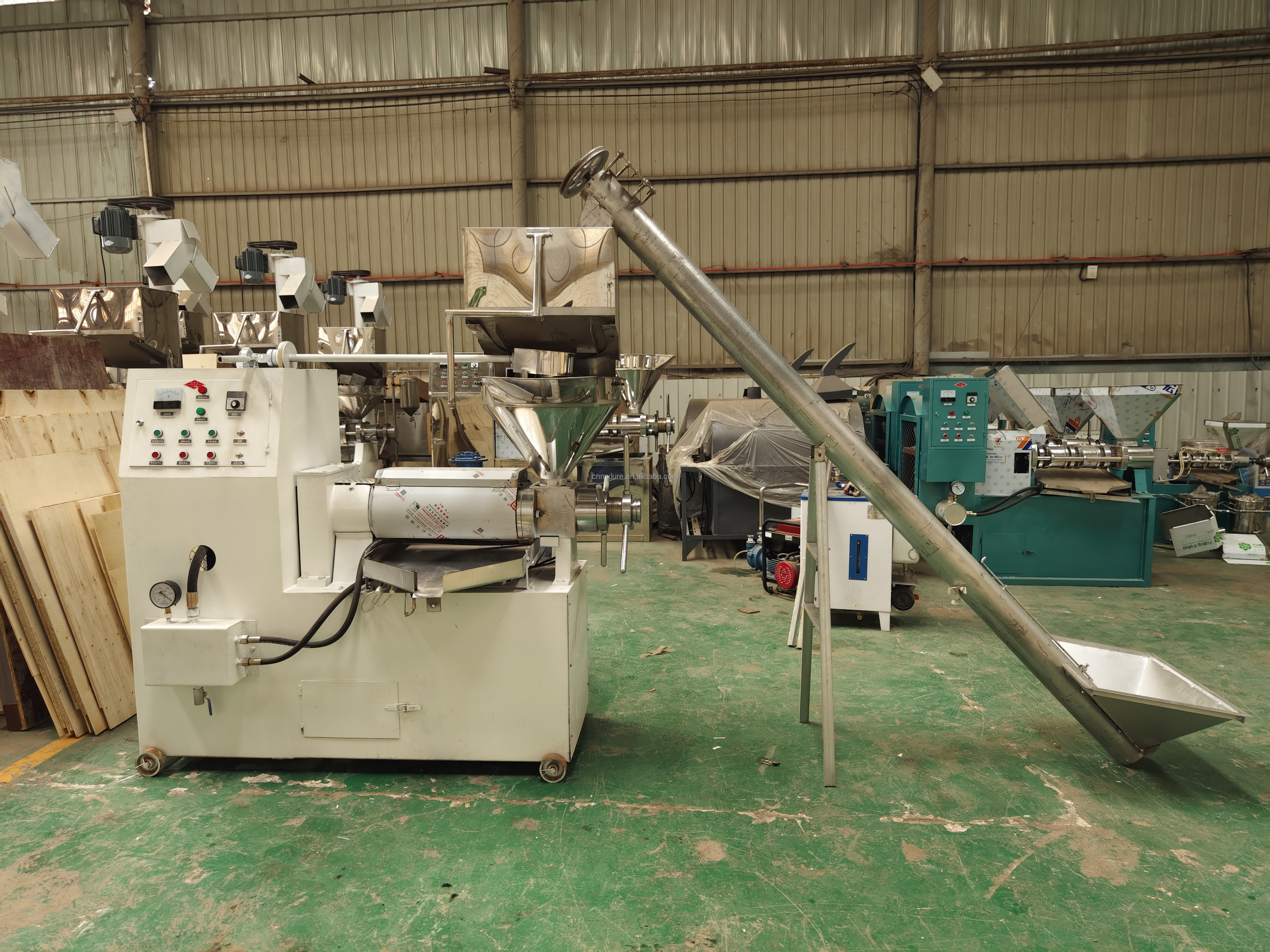
The integration of these intelligent technologies delivers tangible benefits for large-scale operations. 企鹅集团 has observed that facilities implementing intelligent peanut oil presses typically experience multiple operational improvements:
These improvements translate directly to the bottom line, with most facilities reporting return on investment within 18-24 months of implementation.
Discover how intelligent energy-saving peanut oil presses can revolutionize your production efficiency while reducing operational costs.
Explore Penguin Group's Intelligent Oil Press SolutionsAs the edible oil industry continues to evolve, the adoption of intelligent technologies is no longer an option but a necessity for companies seeking to remain competitive. The combination of real-time monitoring, energy optimization, and predictive maintenance offers a comprehensive solution to the challenges facing modern oil processors.
Facilities that embrace these technological advancements position themselves to achieve higher efficiency, lower operational costs, and improved product quality – all while reducing their environmental footprint. The future of oil processing is intelligent, and that future is already here.
 215
|
215
|
 intelligent control system
peanut oil refining equipment
energy saving and emission reduction
cold pressing technology
production efficiency improvement
492
|
oil pressing energy saving
heat recovery system
energy efficient oil mill
oil refining energy reduction
sustainable oil processing
278
|
Peanut oil refining technology
Energy - efficient edible oil equipment
Green grain and oil machinery
Fully automatic peanut oil production line
Intelligent grain and oil equipment
259
|
peanut oil production line
energy-saving optimization
intelligent control system
small and medium oil mills
equipment installation and commissioning
478
|
large-scale oil press equipment selection
edible oil production line solution
oil press model matching guide
vegetable oil processing equipment
automatic oil press advantages
intelligent control system
peanut oil refining equipment
energy saving and emission reduction
cold pressing technology
production efficiency improvement
492
|
oil pressing energy saving
heat recovery system
energy efficient oil mill
oil refining energy reduction
sustainable oil processing
278
|
Peanut oil refining technology
Energy - efficient edible oil equipment
Green grain and oil machinery
Fully automatic peanut oil production line
Intelligent grain and oil equipment
259
|
peanut oil production line
energy-saving optimization
intelligent control system
small and medium oil mills
equipment installation and commissioning
478
|
large-scale oil press equipment selection
edible oil production line solution
oil press model matching guide
vegetable oil processing equipment
automatic oil press advantages








.jpg?x-oss-process=image/resize,m_fill,h_800,w_800/format,webp)
