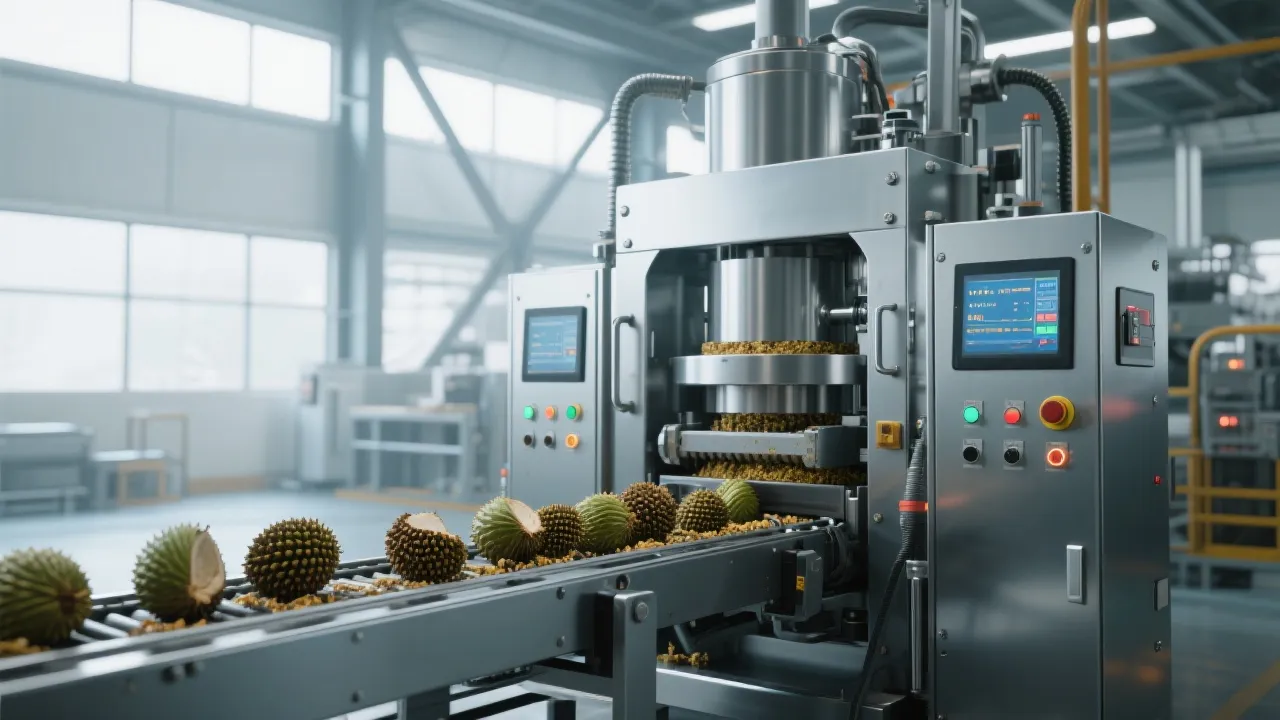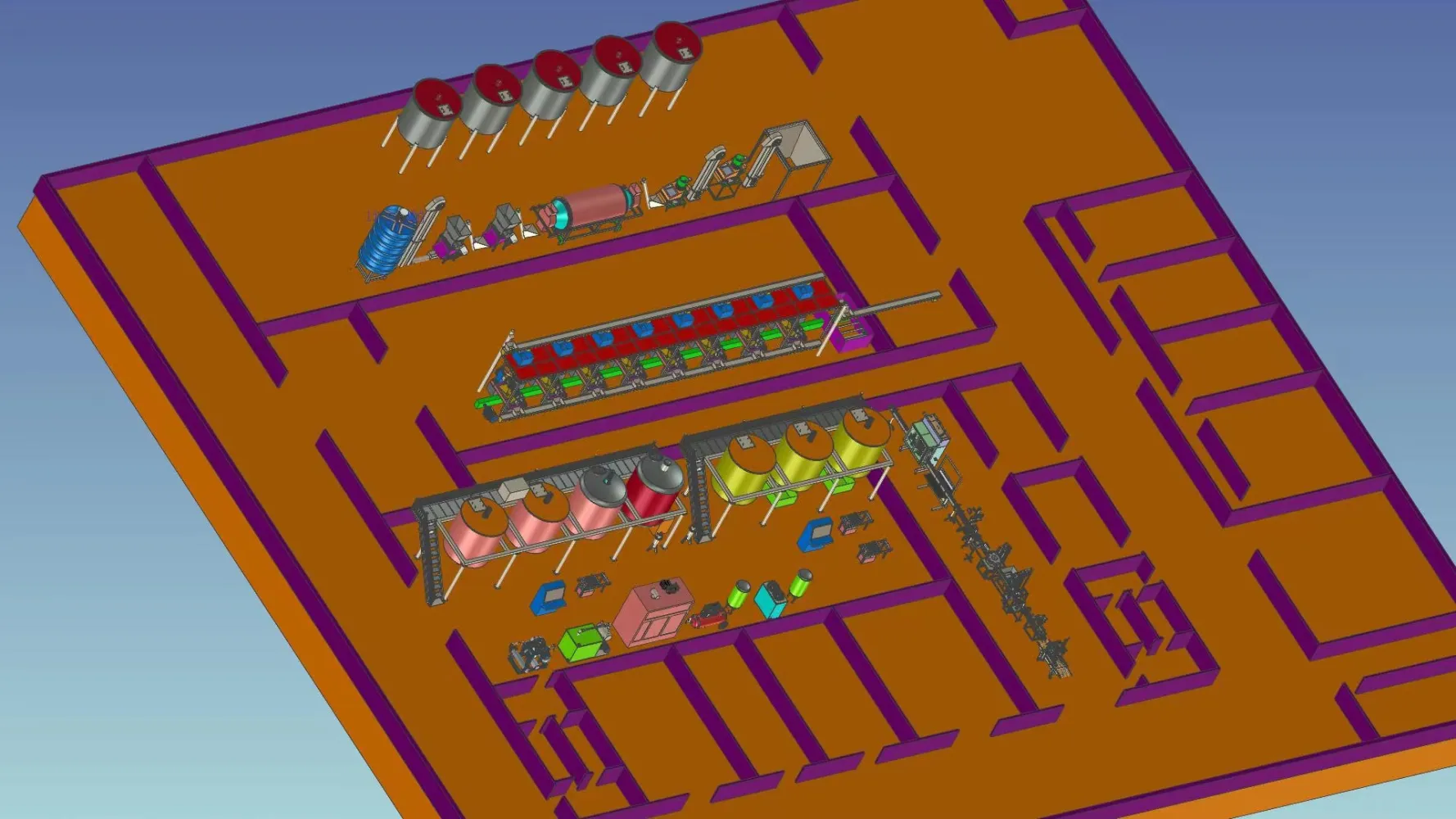
In today's competitive edible oil processing industry, selecting the right peanut oil press machine is a critical decision that directly impacts production efficiency, operational costs, and long-term profitability. With energy costs rising by an average of 12% annually in the manufacturing sector, according to recent industry reports, intelligent energy-efficient press machines have become essential investments for large-scale oil processing facilities aiming to maintain competitive advantage.
Industry Insight:
Modern peanut oil processing plants report 22-35% energy savings after upgrading to intelligent press systems, with payback periods typically ranging from 14 to 22 months depending on production volume.
Evaluating energy efficiency requires a systematic analysis of several critical parameters that collectively determine a machine's operational cost-effectiveness. These metrics should be examined in the context of your specific production requirements and local energy costs.
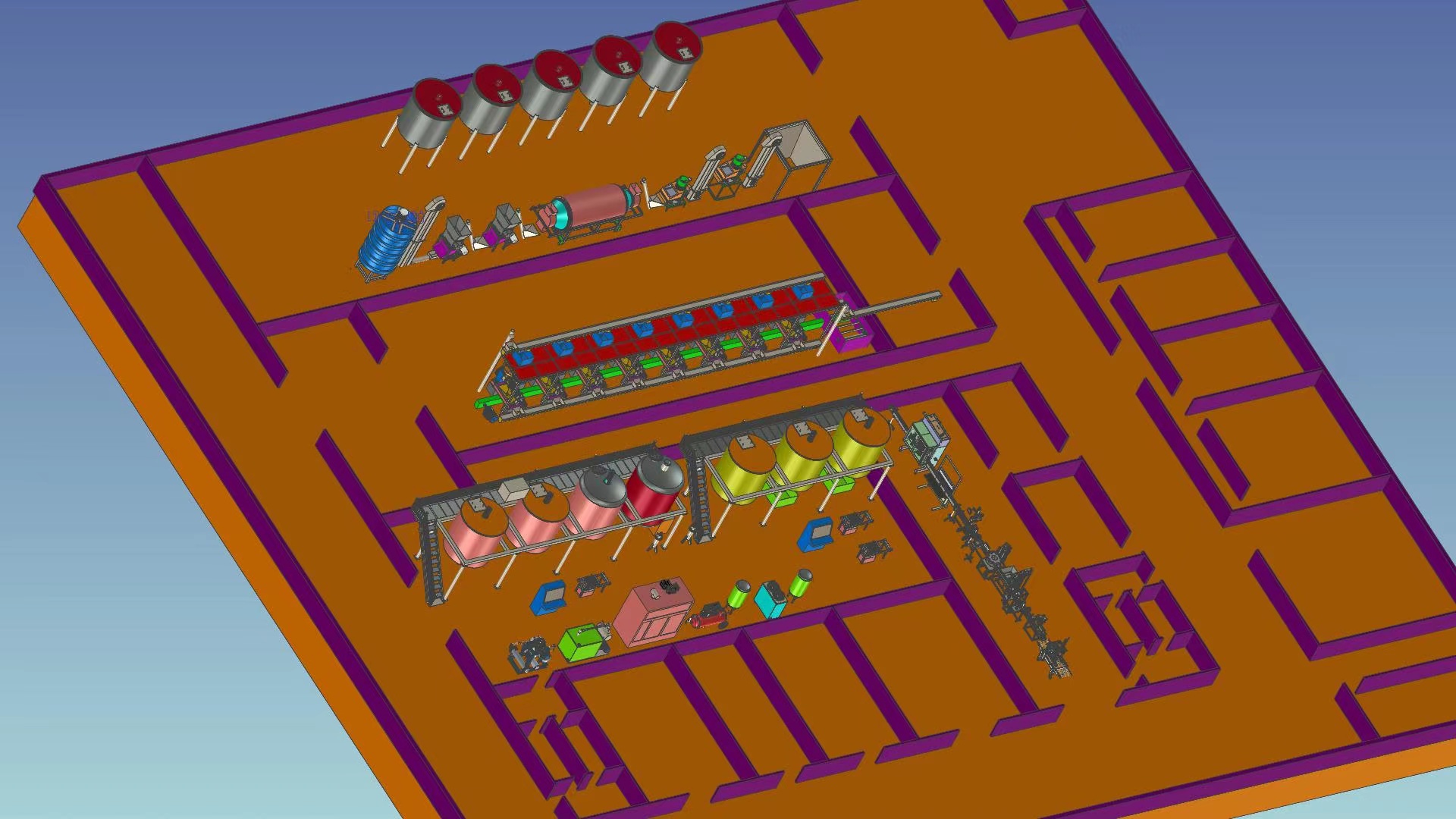
The automation level of peanut oil press machines directly influences labor requirements, production consistency, and quality control. Modern intelligent systems integrate advanced control technologies that reduce human intervention while improving process precision.

The optimal peanut oil press solution varies significantly based on production volume, raw material characteristics, and end-product requirements. A one-size-fits-all approach rarely yields the best results, as different scale operations face distinct challenges and opportunities.
For large-scale facilities processing over 500 tons of peanuts daily, continuous operation systems with high-capacity pressing chambers and advanced heat recovery become priorities. Medium-scale operations (100-500 tons/day) often benefit from modular designs that allow for future expansion, while smaller operations should focus on versatility and ease of maintenance.
"After implementing the intelligent press system from 企鹅集团 (Penguin Group), our production line achieved a 28% reduction in energy costs while increasing output by 15%. The real-time monitoring has allowed us to identify and resolve efficiency bottlenecks that we weren't even aware of with our previous equipment."
— Production Manager, Leading Asian Edible Oil Processor
Beyond initial performance specifications, the long-term operational efficiency of peanut oil press machines depends heavily on maintenance requirements and ease of service. When evaluating equipment options, consider factors such as component accessibility, availability of replacement parts, and the complexity of routine maintenance procedures.

Modern intelligent systems often incorporate predictive maintenance features that analyze equipment performance data to identify potential issues before they cause downtime. This proactive approach can reduce maintenance costs by up to 30% compared to traditional reactive maintenance schedules, according to industry benchmarks.
Access our comprehensive Peanut Oil Press Selection Checklist featuring detailed evaluation criteria and technical specifications to help you make an informed purchasing decision.
Download Your Free Selection GuideFor personalized recommendations based on your specific production requirements, schedule a consultation with our technical experts.
When evaluating potential suppliers, consider their technical support capabilities, installation services, and training programs. A reliable partner like 企鹅集团 (Penguin Group) should offer comprehensive after-sales support to ensure your investment continues to deliver optimal performance throughout its operational lifespan.
The integration of intelligent features not only enhances operational efficiency but also provides valuable production data that can drive continuous improvement. By carefully evaluating both energy efficiency and automation capabilities, you can select a peanut oil press system that meets your current needs while positioning your facility for future growth and technological advancements.
 293
|
293
|
 Peanut oil refining equipment
Energy-saving peanut oil processing
Cold-pressing and hot-pressing technologies
Intelligent control system
Environmental-friendly grain and oil machinery
229
|
energy-efficient oil pressing
heat recovery system
oil mill energy reduction
oil yield optimization
low energy consumption oil mill equipment
274
|
agricultural cooperative energy saving
smart control system
energy-efficient motor
oil pressing equipment
Pengfei Group
276
|
energy-saving peanut oil refining equipment
cold press vs hot press peanut oil
peanut oil production line selection
intelligent oil processing machinery
eco-friendly oil refining equipment
413
|
peanut oil press energy-saving retrofit
low energy consumption oil press
oil press equipment upgrade
hydraulic drive oil press
intelligent control oil press
Peanut oil refining equipment
Energy-saving peanut oil processing
Cold-pressing and hot-pressing technologies
Intelligent control system
Environmental-friendly grain and oil machinery
229
|
energy-efficient oil pressing
heat recovery system
oil mill energy reduction
oil yield optimization
low energy consumption oil mill equipment
274
|
agricultural cooperative energy saving
smart control system
energy-efficient motor
oil pressing equipment
Pengfei Group
276
|
energy-saving peanut oil refining equipment
cold press vs hot press peanut oil
peanut oil production line selection
intelligent oil processing machinery
eco-friendly oil refining equipment
413
|
peanut oil press energy-saving retrofit
low energy consumption oil press
oil press equipment upgrade
hydraulic drive oil press
intelligent control oil press