

In the competitive edible oil processing industry, selecting the right equipment can mean the difference between operational excellence and costly inefficiencies. For large-scale oil mills processing peanut oil, the choice of intelligent energy-saving oil press machines directly impacts production costs, product quality, and environmental compliance. This comprehensive guide explores the critical factors that should influence your purchasing decision, drawing on real-world applications and technical insights to help you navigate the complex landscape of modern oil processing equipment.
According to industry research, energy consumption typically accounts for 18-22% of total operational costs in medium to large peanut oil processing facilities. Outdated press equipment can consume up to 35% more energy than modern intelligent models, representing a significant drain on profitability. A case study from a 500-ton-per-day facility in Shandong province demonstrated that upgrading to intelligent energy-saving presses resulted in a 28% reduction in electricity costs and a 12% increase in overall yield within the first year of operation.
"The decision to invest in intelligent pressing technology wasn't just about reducing energy costs—it transformed our entire production workflow. We've seen a 40% decrease in unplanned downtime and a 15% improvement in labor productivity since implementation." — Production Director, Leading Peanut Oil Manufacturer
When evaluating energy efficiency, look beyond marketing claims to concrete technical specifications. The specific energy consumption (SEC) should be below 85 kWh per ton of processed peanuts for optimal performance. Additionally, consider the heat recovery system efficiency—modern systems can recapture up to 70% of waste heat for reuse in the process, significantly reducing overall energy requirements.
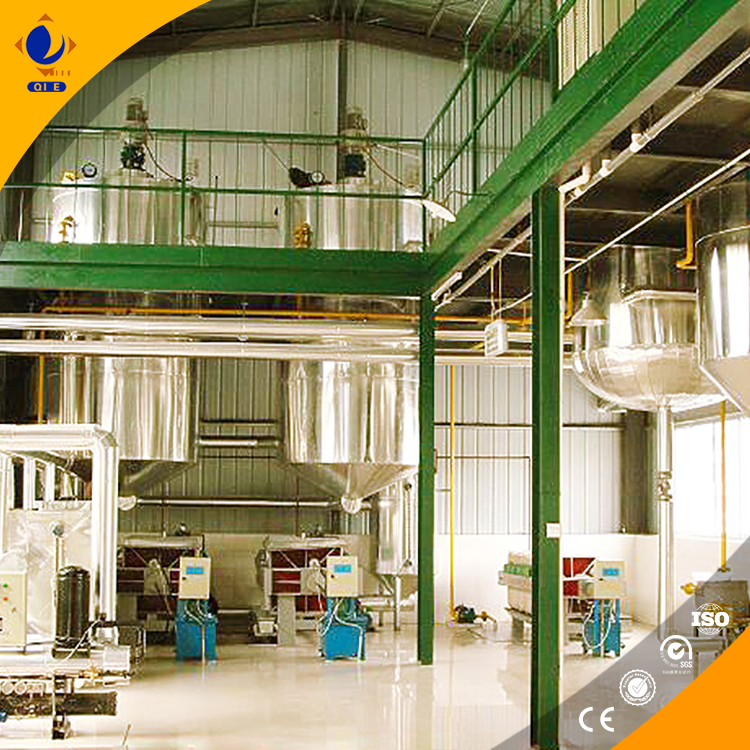
Penguin Group's intelligent oil press series incorporates variable frequency drives that adjust motor speed based on load requirements, reducing idle energy consumption by up to 32%. This adaptive technology ensures optimal energy usage across varying production volumes, a critical feature for facilities with fluctuating throughput.
The level of automation directly impacts operational efficiency, labor costs, and product consistency. Advanced systems offer features such as automatic feeding control, pressure optimization, and real-time quality monitoring. These capabilities not only reduce manual intervention but also enable data-driven process refinement.
| Automation Feature | Benefit | Impact on Operations |
|---|---|---|
| PLC Control System | Precise process control | ±0.5% consistency in oil yield |
| Automatic Fault Detection | Reduced downtime | 35% decrease in maintenance response time |
| Remote Monitoring | 24/7 process oversight | 18% reduction in quality control issues |
Operational efficiency extends beyond the production line to include maintenance requirements and serviceability. Equipment designed with modular components can reduce maintenance time by up to 40% compared to traditional integrated designs. Look for features such as quick-change pressing chambers, self-cleaning mechanisms, and predictive maintenance alerts.
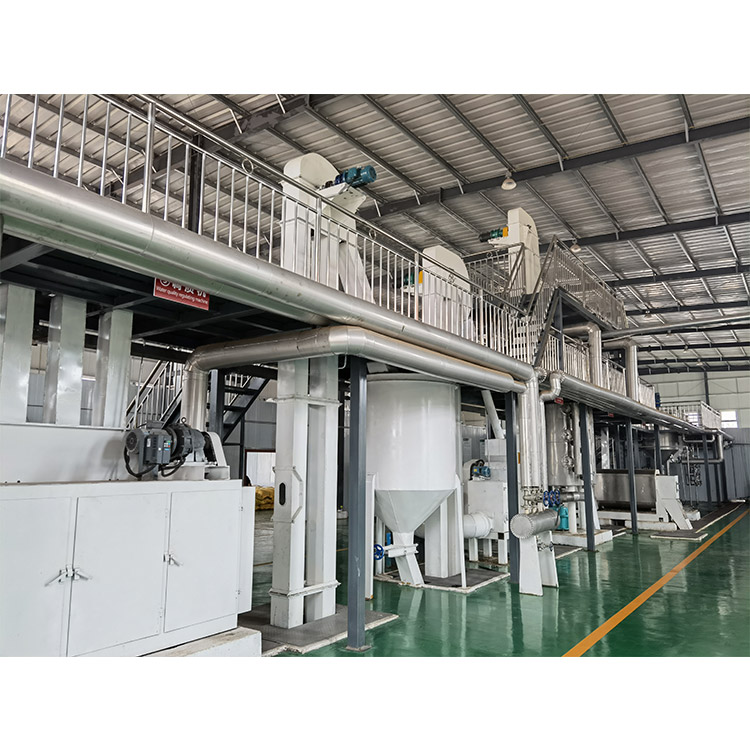
A mid-sized peanut oil producer in Henan province faced challenges with inconsistent oil yield, high energy costs, and rising labor expenses. After upgrading to an intelligent energy-saving press line, they documented impressive results within six months of operation:
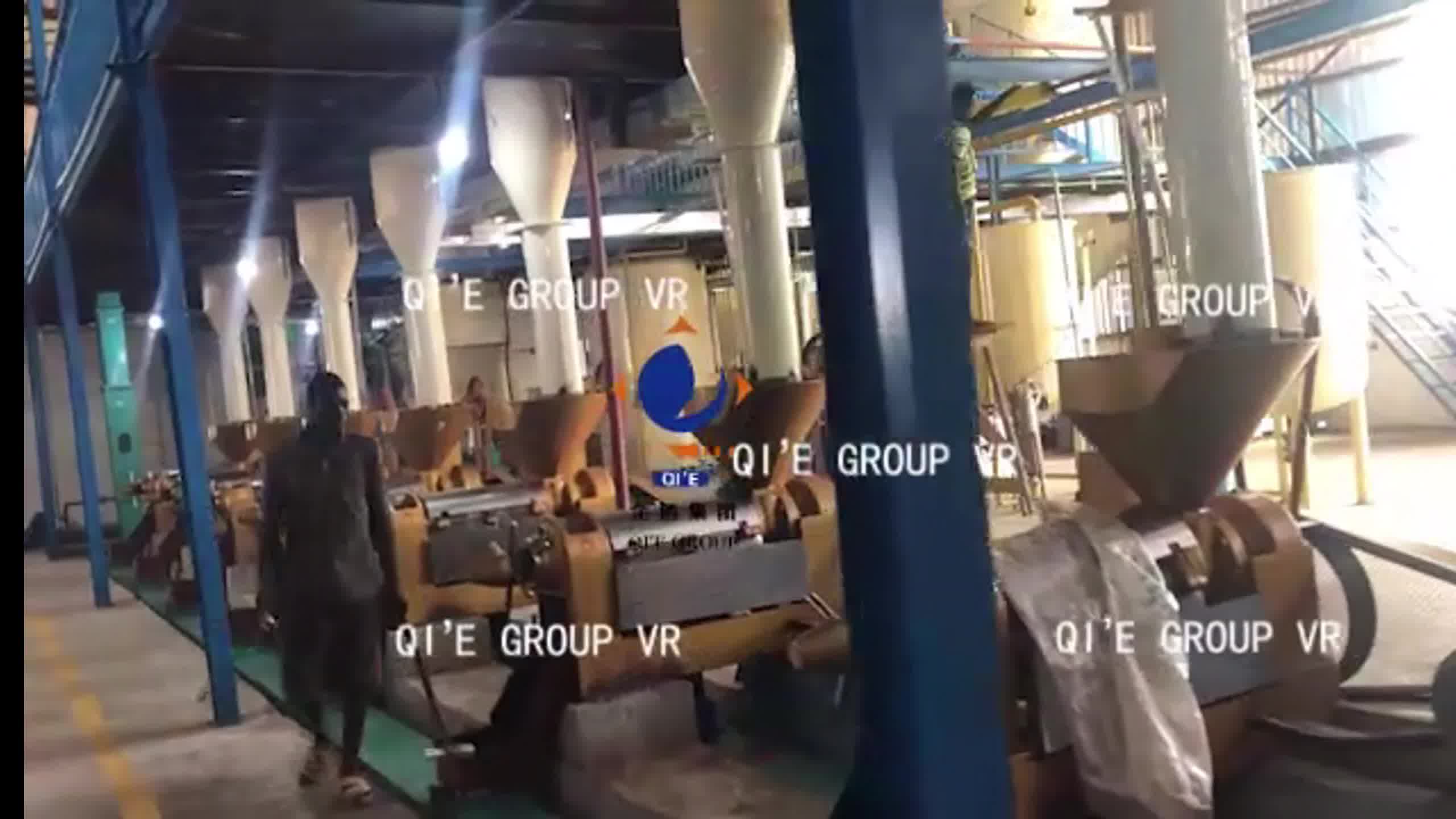
Many oil mill operators fall into common traps when selecting new pressing equipment. Focusing solely on upfront costs rather than total cost of ownership can lead to higher long-term expenses. Similarly, overestimating production requirements or underestimating maintenance needs often results in suboptimal equipment utilization.
Penguin Group recommends a comprehensive needs assessment before making a purchasing decision, taking into account current production volumes, future expansion plans, energy costs, and labor availability. This holistic approach ensures that the selected equipment aligns with both immediate needs and long-term strategic goals.
Download our exclusive Intelligent Oil Press Selection Guide to access detailed specifications, comparison tools, and expert recommendations tailored to peanut oil processing facilities.
Get Your Free Selection GuideThe transition to intelligent energy-saving oil press technology represents a significant step forward for any peanut oil processing facility. By focusing on energy efficiency, automation capabilities, and maintenance considerations, you can make an informed decision that enhances productivity, reduces operational costs, and positions your business for long-term success in an increasingly competitive market.
Remember that the most advanced equipment is only as effective as the strategy behind its implementation. Take the time to thoroughly evaluate your specific needs, consult with industry experts, and consider the total lifecycle costs rather than just the initial investment. With the right approach, your new oil press equipment can become a cornerstone of operational excellence for years to come.
 215
|
215
|
 intelligent control system
peanut oil refining equipment
energy saving and emission reduction
cold pressing technology
production efficiency improvement
268
|
large oil mill automation system
PLC control system configuration
sensor selection for oil processing
automated oil production line deployment
Penguins Group oil equipment
395
|
peanut oil press energy saving retrofit
energy efficient oil press
intelligent control system
hydraulic drive technology
heat recovery
158
|
cold pressed peanut oil
hot pressed peanut oil
peanut oil production equipment
peanut oil processing technology
intelligent grain and oil machinery
413
|
peanut oil press energy-saving retrofit
low energy consumption oil press
oil press equipment upgrade
hydraulic drive oil press
intelligent control oil press
intelligent control system
peanut oil refining equipment
energy saving and emission reduction
cold pressing technology
production efficiency improvement
268
|
large oil mill automation system
PLC control system configuration
sensor selection for oil processing
automated oil production line deployment
Penguins Group oil equipment
395
|
peanut oil press energy saving retrofit
energy efficient oil press
intelligent control system
hydraulic drive technology
heat recovery
158
|
cold pressed peanut oil
hot pressed peanut oil
peanut oil production equipment
peanut oil processing technology
intelligent grain and oil machinery
413
|
peanut oil press energy-saving retrofit
low energy consumption oil press
oil press equipment upgrade
hydraulic drive oil press
intelligent control oil press











.jpg?x-oss-process=image/resize,m_fill,h_800,w_800/format,webp)


