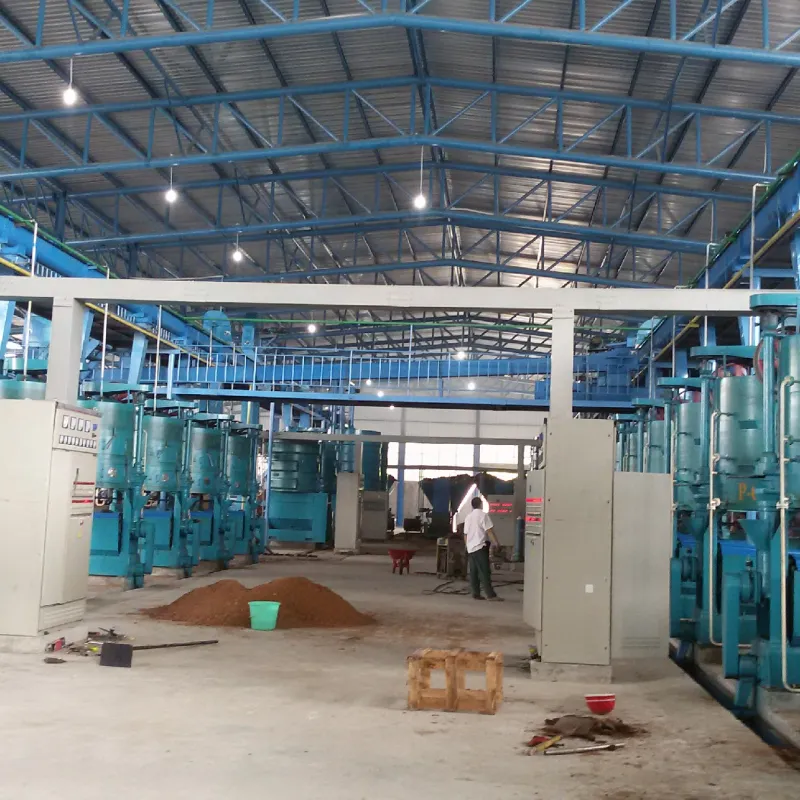
In the evolving landscape of edible oil production, smart energy-efficient peanut oil press machines are gaining significant traction among agricultural cooperatives and small-to-medium scale oil manufacturers. These machines not only enhance extraction efficiency but also support sustainable and cost-effective production practices. This article delves into the essential technical parameters, selection criteria, and maintenance guidelines to assist decision-makers in choosing the ideal equipment aligned with their operational scale.
The effectiveness of a peanut oil press hinges largely on three primary specifications:
Precise balance between capacity and energy efficiency is vital. Oversizing equipment leads to wasted energy, while undersizing causes production bottlenecks.
The longevity and upkeep of the press machine largely depend on build quality:
Choosing the right machine involves assessing the production environment and output targets:
| Production Scale | Recommended Capacity | Key Consideration |
|---|---|---|
| Small (Up to 150 kg/h) | 100–150 kg/h | Compact footprint; simplicity in controls |
| Medium (150–400 kg/h) | 200–400 kg/h | Balance between output and energy efficiency |
| Upper Medium (400–600 kg/h) | 450–600 kg/h | Enhanced durability and automation features |
Environmental factors like humidity, oilseed quality, and maintenance capabilities also influence machine choice. Cold climate zones may require machines with enhanced lubricant systems to ensure uninterrupted operation.
Ensuring long-term stable operation mandates disciplined upkeep. Key maintenance steps include:
Common issues such as decreased oil yield or abnormal noise typically stem from loose bolts, worn screws, or motor misalignment. Prompt fault identification and resolution minimize downtime.
Proactive maintenance can increase equipment uptime by up to 25%, directly impacting production efficiency and reducing repair costs.
Reputable suppliers offer comprehensive after-sales support, including:
Such services ensure clients receive continuous operational assurance and timely upgrades to maintain competitive advantage.
Selecting a smart, energy-efficient peanut oil press tailored for your production scale supports higher yields, lower operational expenses, and sustainable growth—empowering your business to thrive in a competitive market.
 254
|
254
|
 intelligent control system
peanut oil press automation
remote maintenance for oil production
high-capacity oil extraction
ISO9001 quality management
299
|
energy-saving oil press machine
peanut oil press maintenance
oil press troubleshooting
small to medium oil plant equipment
oil press technical specifications
483
|
peanut oil press machine selection
energy-saving oil press maintenance
oil press technical specifications
agricultural cooperative equipment
peanut oil production efficiency
345
|
Peanut oil press selection
Energy - saving press maintenance
Press technical parameters
High - efficiency peanut oil equipment
Intelligent oil - making equipment
299
|
energy-saving peanut oil press
low-energy oil extraction equipment
peanut oil production cost reduction
intelligent peanut oil press
agricultural cooperative oil equipment
intelligent control system
peanut oil press automation
remote maintenance for oil production
high-capacity oil extraction
ISO9001 quality management
299
|
energy-saving oil press machine
peanut oil press maintenance
oil press troubleshooting
small to medium oil plant equipment
oil press technical specifications
483
|
peanut oil press machine selection
energy-saving oil press maintenance
oil press technical specifications
agricultural cooperative equipment
peanut oil production efficiency
345
|
Peanut oil press selection
Energy - saving press maintenance
Press technical parameters
High - efficiency peanut oil equipment
Intelligent oil - making equipment
299
|
energy-saving peanut oil press
low-energy oil extraction equipment
peanut oil production cost reduction
intelligent peanut oil press
agricultural cooperative oil equipment











.jpg?x-oss-process=image/resize,m_fill,h_800,w_800/format,webp)