
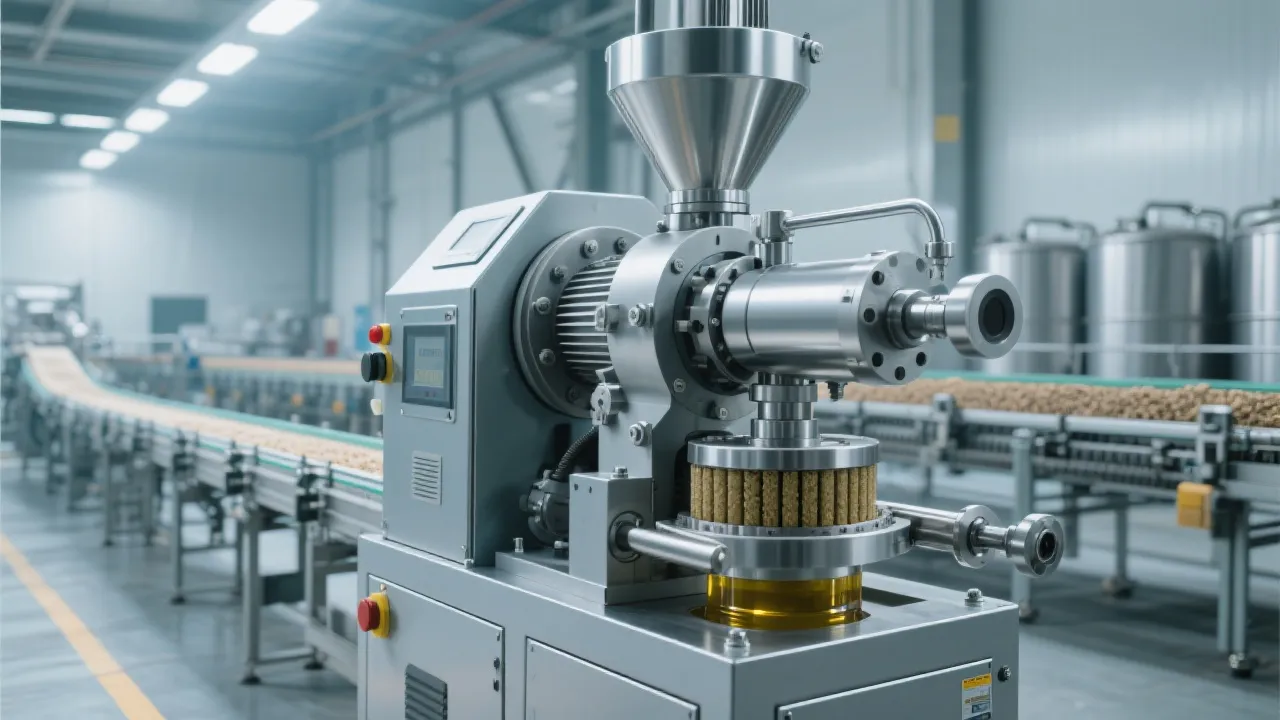
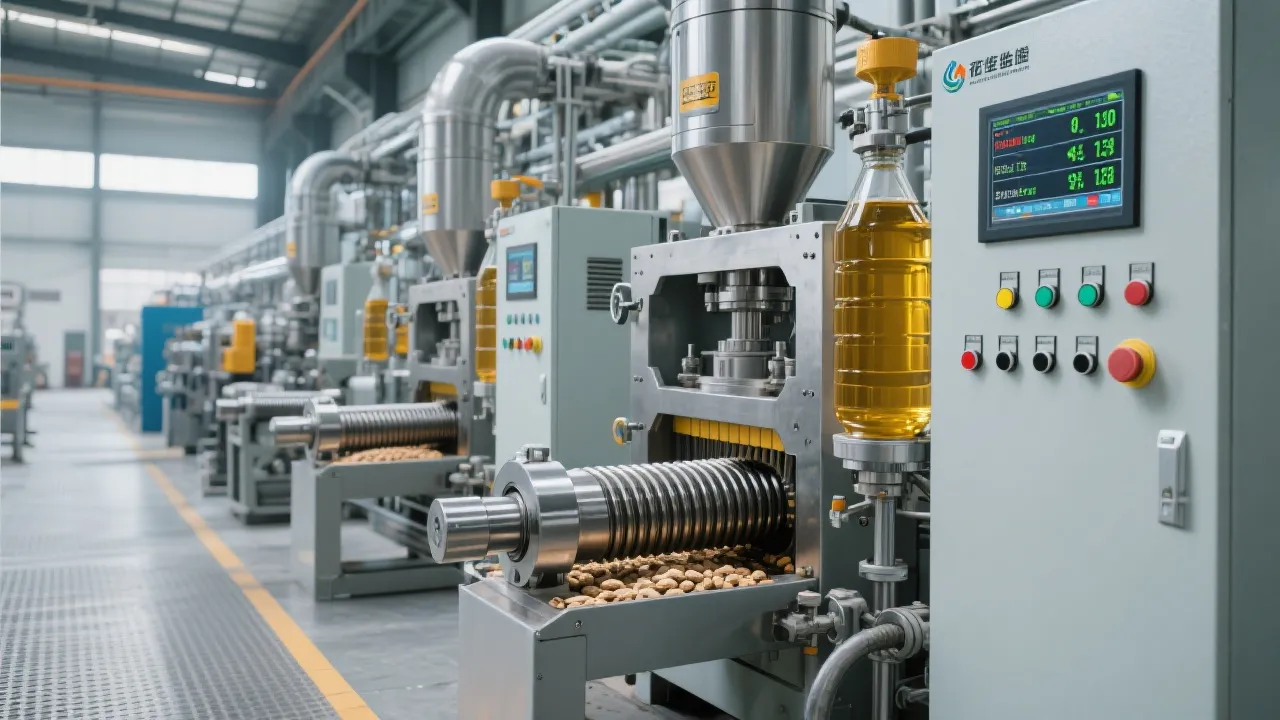
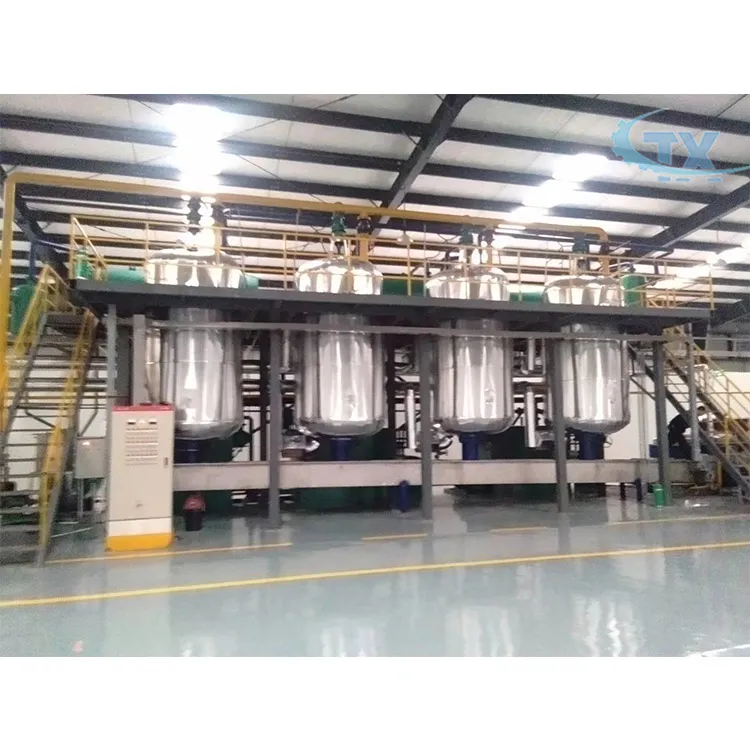
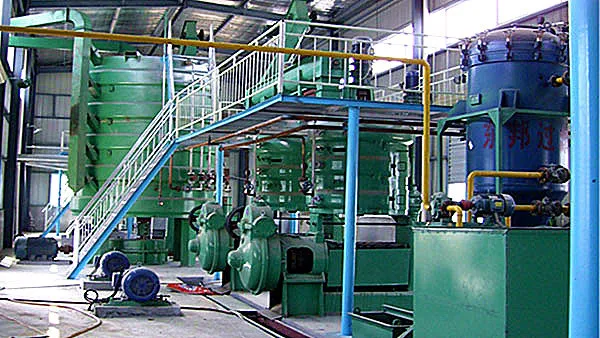
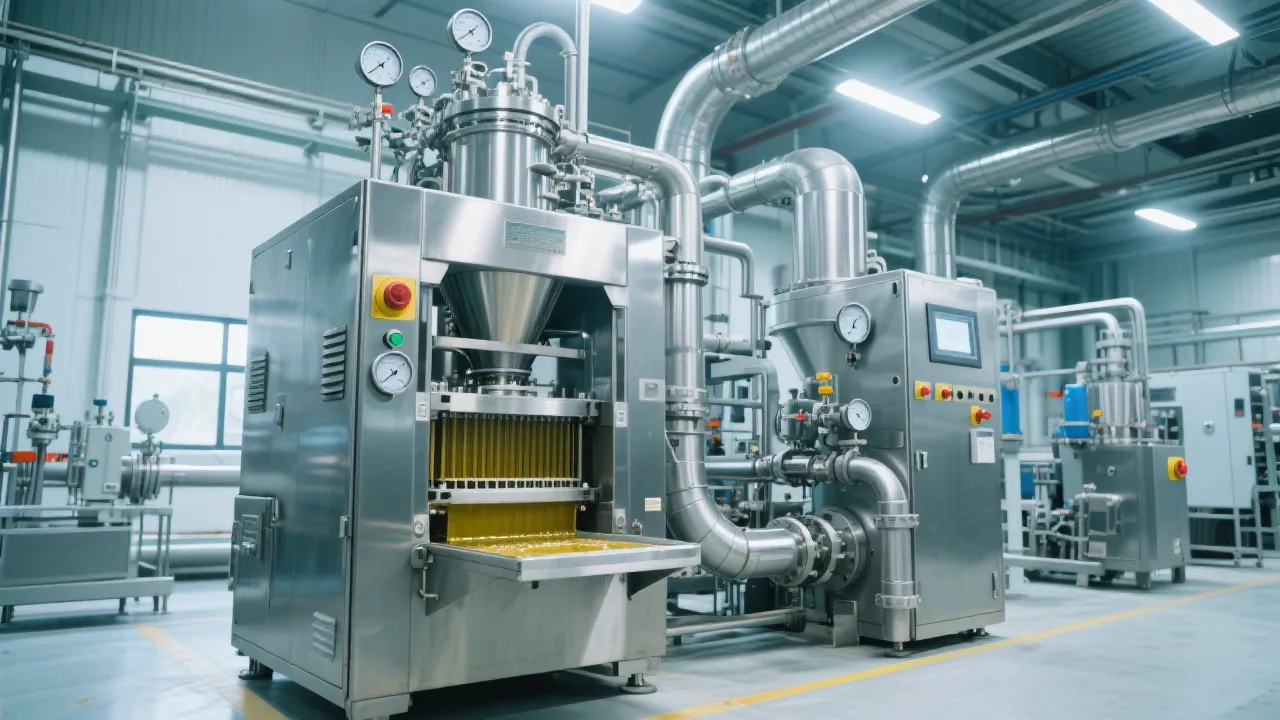
This case study delves into the design and practical application of an intelligent control system for a 2000 - ton - per - hour low - energy intelligent peanut oil press targeting the African and Southeast Asian markets. It offers in - depth insights into how the system enhances production efficiency and stability.
Traditional peanut oil production equipment has long been plagued by several drawbacks. Data shows that traditional equipment consumes up to 30% more energy compared to modern intelligent systems. Additionally, it experiences frequent breakdowns, with an average of 8 - 10 breakdowns per month, leading to significant production downtime. Moreover, traditional equipment is highly dependent on manual labor.
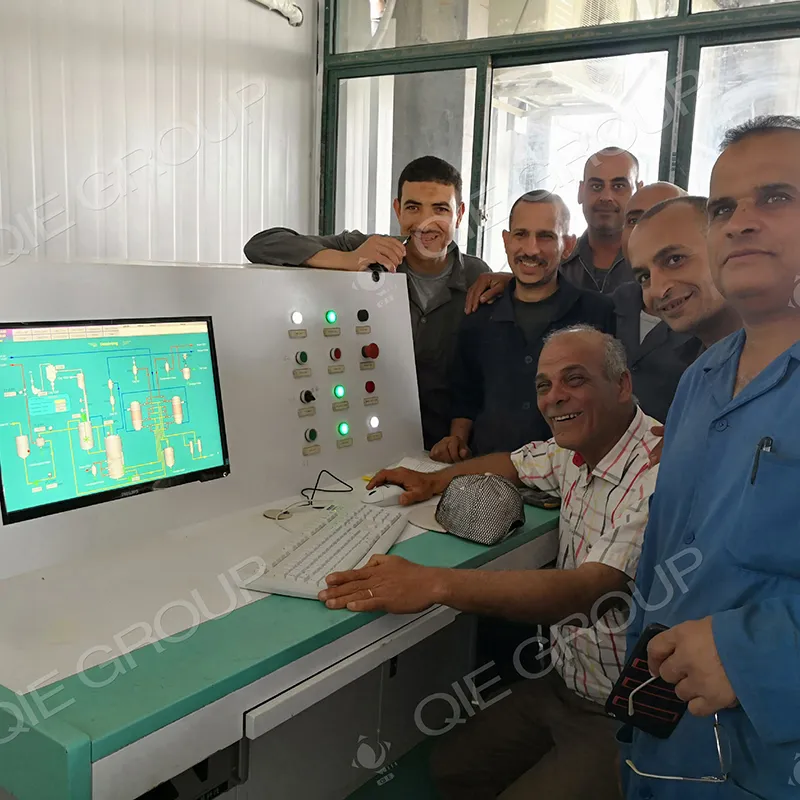
The intelligent control system consists of both hardware and software components. The hardware includes sensors, controllers, and communication modules. On the software side, there are programs for automation process control, real - time data monitoring, and remote fault diagnosis. The system can monitor production parameters in real - time, such as temperature, pressure, and flow rate. It can detect potential faults 24/7 and send out early warnings, reducing the risk of major breakdowns by up to 70%.
By integrating the ISO9001:2000 quality standard requirements, the system ensures high stability and quality traceability. This standard compliance not only improves product quality but also meets the strict regulatory requirements of international markets. For example, it allows for detailed tracking of raw materials, production processes, and product quality checkpoints, which is crucial for modern production management.
In the high - temperature and high - humidity environments of Africa and Southeast Asia, the system has demonstrated excellent adaptability. In a Nigerian factory, the system maintained a smooth operation with only a 5% performance degradation even during the peak of the rainy season. In a Malaysian customer's plant, the system showed exceptional emergency power - off recovery ability, resuming production within 15 minutes on average after a power outage.
Properly setting the alarm threshold is crucial. For example, setting the temperature alarm threshold at 5 - 10 degrees Celsius higher than the normal operating temperature can ensure timely detection of abnormal temperature rises. Additionally, preparing for remote maintenance in advance can significantly reduce the time required to resolve faults.
A comparison shows that the intelligent system outperforms traditional equipment in terms of management efficiency and energy control. While traditional equipment requires at least 5 - 6 operators per shift, the intelligent system can be managed by only 1 - 2 operators. In terms of energy consumption, the intelligent system can save up to 30% on electricity bills.
Are you interested in upgrading your peanut oil production to a more intelligent and energy - efficient level? Learn More About the Intelligent Peanut Oil Press Control System Solutions Now!
 435
|
435
|
 smart sunflower oil extraction equipment
pressure control technology
oil extraction rate optimization
equipment maintenance guide
grain and oil processing machinery
100
|
peanut oil expeller energy saving
intelligent control system for oil press
energy consumption reduction in oil processing
oil yield improvement technology
green production equipment
426
|
peanut oil press machine
energy-efficient oil extraction
intelligent control system
oil press maintenance
operational cost optimization
457
|
Intelligent control system
Peanut oil press
Automated production
Energy conservation
ISO9001 quality certification
382
|
Peanut oil press selection
Energy - saving press maintenance
Press technical parameters
International standard oil - making equipment
High - efficiency peanut oil production equipment
smart sunflower oil extraction equipment
pressure control technology
oil extraction rate optimization
equipment maintenance guide
grain and oil processing machinery
100
|
peanut oil expeller energy saving
intelligent control system for oil press
energy consumption reduction in oil processing
oil yield improvement technology
green production equipment
426
|
peanut oil press machine
energy-efficient oil extraction
intelligent control system
oil press maintenance
operational cost optimization
457
|
Intelligent control system
Peanut oil press
Automated production
Energy conservation
ISO9001 quality certification
382
|
Peanut oil press selection
Energy - saving press maintenance
Press technical parameters
International standard oil - making equipment
High - efficiency peanut oil production equipment









.jpg?x-oss-process=image/resize,m_fill,h_800,w_800/format,webp)

