

In the global peanut oil production industry, ensuring product quality and stable oil yield is crucial. The ISO9001:2000 standard provides a solid framework for quality management, and the intelligent control system based on this standard has brought revolutionary changes to the peanut oil production process.
The intelligent control system for peanut oil presses under the ISO9001:2000 standard has a series of core functions. Firstly, the automated process control feature can precisely manage every step of the peanut oil production process. For example, it can control the temperature, pressure, and time during the pressing process with an accuracy of up to ±0.5%. This high - precision control ensures that the quality of the peanut oil is consistent batch after batch. According to industry data, peanut oil presses equipped with such intelligent control systems can increase the production efficiency by about 30% compared to traditional presses.
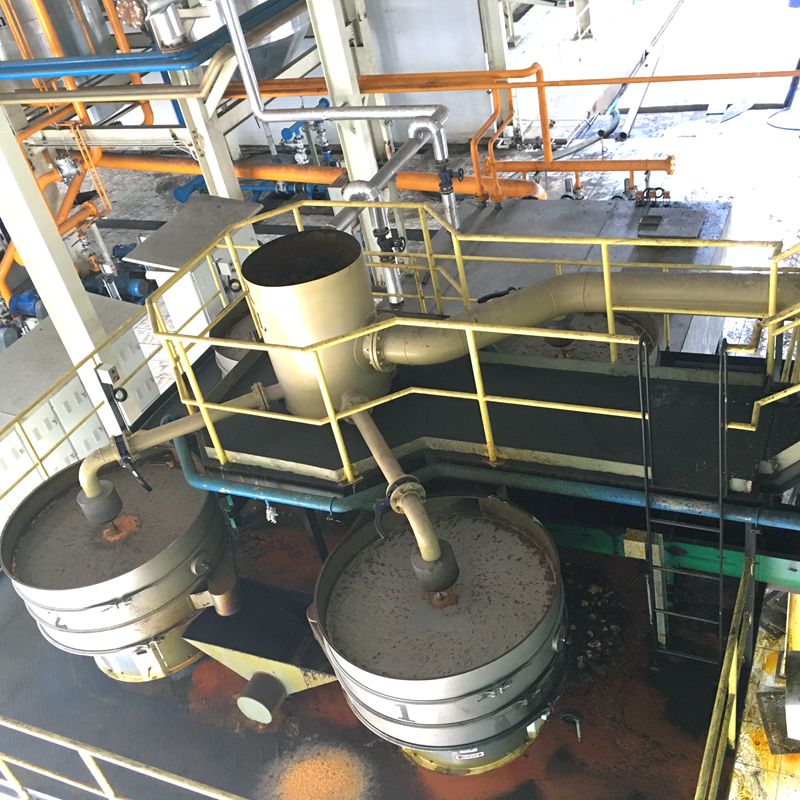
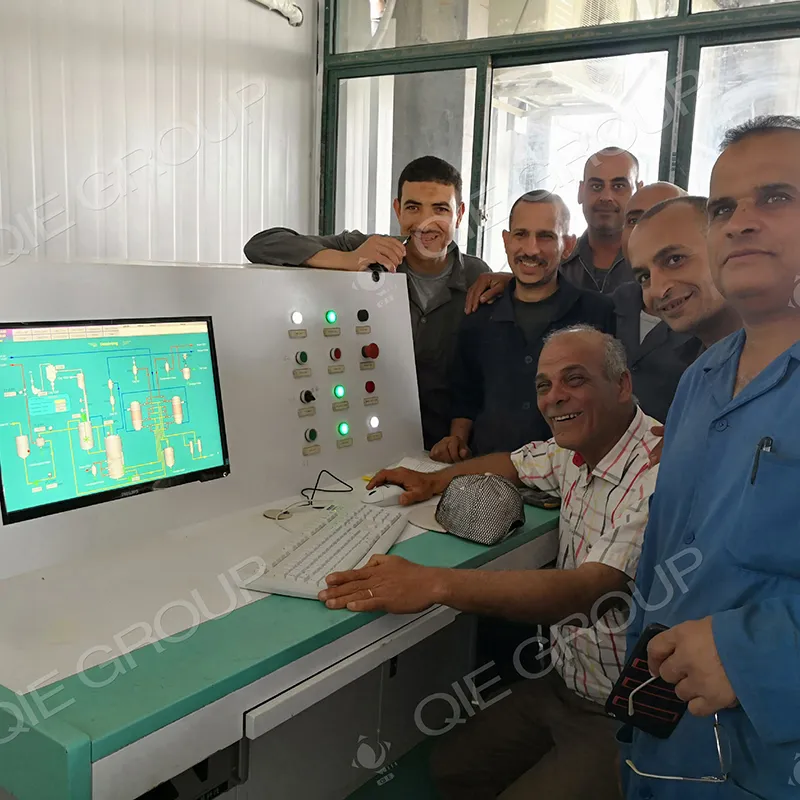
Real - time data monitoring is another key function of this intelligent control system. It continuously collects data on various parameters such as the moisture content of peanuts, the oil content during pressing, and the power consumption of the equipment. All these data are stored in a centralized database, enabling complete quality traceability. If there is a quality issue with a batch of peanut oil, technicians can quickly trace back to the specific production process, raw materials, and equipment status at that time. This not only helps in solving quality problems promptly but also enhances the overall quality management level of the enterprise.
The intelligent control system also has powerful fault diagnosis and remote maintenance capabilities. Through advanced sensors and algorithms, it can detect potential faults in the equipment in advance. For instance, if the vibration frequency of the press exceeds the normal range, the system will immediately issue an alarm and provide possible fault causes and solutions. In addition, technicians can perform remote maintenance on the equipment, saving a lot of time and cost. In some African and Southeast Asian regions, where the transportation infrastructure is not well - developed, remote maintenance has significantly reduced the downtime of peanut oil presses, increasing the annual production time by about 20 days on average.

In the African and Southeast Asian markets, the demand for peanut oil is increasing year by year. However, these regions often face challenges such as changeable climates and complex working conditions. The intelligent control system shows excellent adaptability and reliability in such environments. For example, in tropical regions with high humidity, the system can adjust the drying process of peanuts in real - time to ensure the quality of the raw materials. By analyzing market data, it is found that the intelligent control system can reduce the operation and maintenance costs of peanut oil presses by about 25% in these regions, which is highly attractive to local producers.
To enhance user participation, here are some common questions and answers:
Q: How long does it take to install and commission the intelligent control system? A: Usually, it takes about 3 - 5 days, depending on the scale of the peanut oil press and the complexity of the production line.
Q: Can the system be integrated with existing peanut oil presses? A: Yes, our intelligent control system has high compatibility and can be easily integrated with most existing peanut oil presses.

In conclusion, the intelligent control system for peanut oil presses based on the ISO9001:2000 standard is a powerful tool for improving production efficiency, ensuring product quality, and reducing operation and maintenance costs. Whether you are a technical engineer looking to upgrade the automation level of the production line or a production manager aiming to improve product quality stability, this intelligent control system is your ideal choice. Learn more about intelligent control system configuration solutions.
 254
|
254
|
 intelligent control system
peanut oil press automation
remote maintenance for oil production
high-capacity oil extraction
ISO9001 quality management
426
|
peanut oil press machine
energy-efficient oil extraction
intelligent control system
oil press maintenance
operational cost optimization
281
|
energy - saving technology for peanut oil presses
energy consumption optimization in oil mills
low - energy pressing equipment
methods to improve oil yield
equipment upgrade for agricultural cooperatives
88
|
Peanut oil press intelligent control
Automated process control tutorial
Intelligent upgrade of grain and oil equipment
Low - energy consumption pressing system
Industrial Internet of Things in food processing
42
|
peanut oil press energy efficiency
small scale oil mill upgrades
intelligent oil pressing technology
oil extraction rate improvement
agricultural cooperative machinery
intelligent control system
peanut oil press automation
remote maintenance for oil production
high-capacity oil extraction
ISO9001 quality management
426
|
peanut oil press machine
energy-efficient oil extraction
intelligent control system
oil press maintenance
operational cost optimization
281
|
energy - saving technology for peanut oil presses
energy consumption optimization in oil mills
low - energy pressing equipment
methods to improve oil yield
equipment upgrade for agricultural cooperatives
88
|
Peanut oil press intelligent control
Automated process control tutorial
Intelligent upgrade of grain and oil equipment
Low - energy consumption pressing system
Industrial Internet of Things in food processing
42
|
peanut oil press energy efficiency
small scale oil mill upgrades
intelligent oil pressing technology
oil extraction rate improvement
agricultural cooperative machinery








.jpg?x-oss-process=image/resize,m_fill,h_800,w_800/format,webp)

.jpg?x-oss-process=image/resize,m_fill,h_800,w_800/format,webp)

