

In today's competitive edible oil production industry, automation has become the cornerstone of operational excellence. According to industry research, modern automated oil mills achieve 35% higher production efficiency and 22% lower energy consumption compared to traditional manual operations. This comprehensive guide walks you through the entire process of implementing an effective automation system—from initial assessment to successful commissioning—providing actionable insights for both new installations and system upgrades.
The foundation of any successful automation project lies in thorough preliminary research. Start by analyzing your current production metrics, including daily output (typically 50-200 tons for large facilities), energy consumption patterns, and quality control data. A case study from a leading European oil mill revealed that skipping this step resulted in a 40% cost overrun due to incompatible system components.
Key assessment elements include:
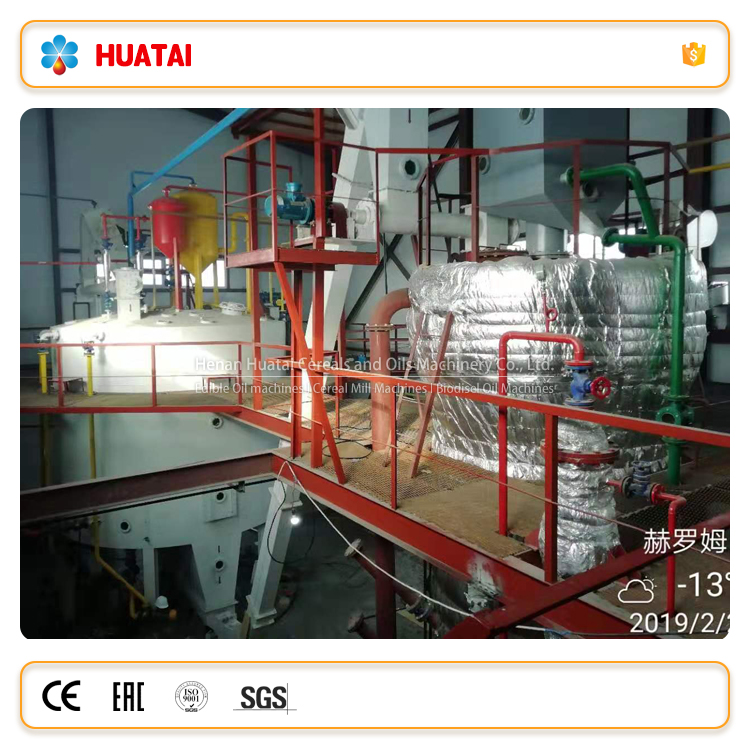
The design phase transforms your requirements into technical specifications. PLC (Programmable Logic Controller) selection is critical—modern systems like Siemens S7-1200 or Allen-Bradley CompactLogix offer the processing power needed for complex oil extraction processes. Sensor technology deserves special attention, as these devices form the nervous system of your automation.
Layout planning should consider both equipment placement and data flow architecture. A well-designed system minimizes cable runs while ensuring easy access for maintenance. Remember that oil mill environments present unique challenges—dust, temperature variations, and potential oil exposure require appropriate IP ratings (minimum IP65 for most areas).
During implementation, proper sequencing prevents costly delays. Begin with infrastructure installation (cabling, mounting hardware), followed by control panel assembly, and finally device integration. A Malaysian palm oil mill reduced implementation time by 25% by following a modular approach, installing and testing one processing line at a time.
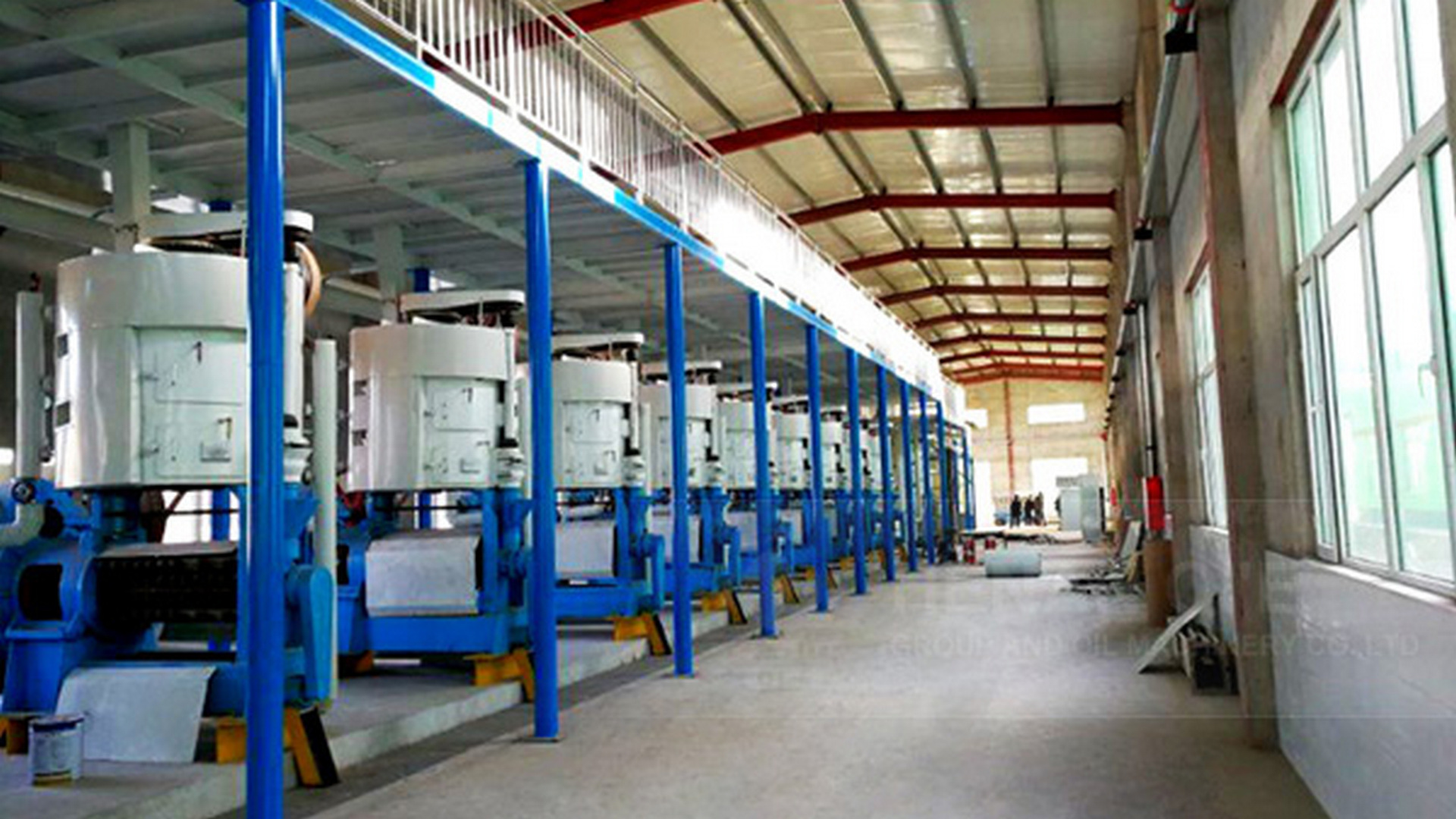
Data acquisition logic design deserves careful attention. Your system should collect key performance indicators including:
| Parameter | Monitoring Frequency | Target Range |
|---|---|---|
| Seed moisture content | Continuous | 6-10% |
| Extraction temperature | Every 5 seconds | 45-55°C |
| Oil yield percentage | Batch-based | Depending on oilseed type |
Commissioning is more than just turning the system on—it's a systematic process of verifying each component and subsystem. Start with individual device testing, then progress to subsystem integration, and finally full system testing under load conditions. Statistics show that facilities conducting comprehensive testing reduce post-launch issues by 68%.
Fault diagnostics are a critical feature that shouldn't be overlooked. Implementing predictive maintenance algorithms can reduce unplanned downtime by up to 35%. A well-designed system will include:
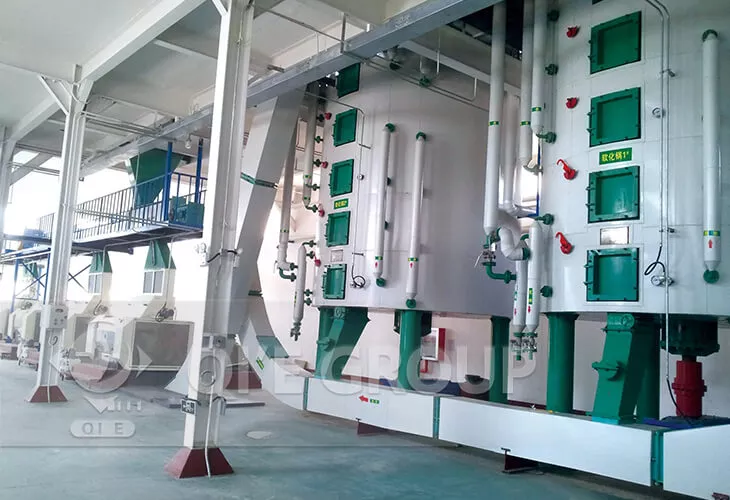
Even the most advanced automation system will underperform without proper operator training. Develop a structured training program covering both routine operation and troubleshooting. Successful programs typically include 40+ hours of hands-on training, followed by a certification process.
Your standardized operations manual should document:
How have you approached automation in your oil processing facility? Have you encountered specific challenges with sensor reliability or system integration? Share your experiences in the comments section below—our automation specialists regularly respond to industry questions.
Discover how QIE Group customized automation solutions have helped oil mills achieve an average 28% increase in production efficiency while reducing energy costs by up to 23%.
Get Your Free Automation AssessmentRemember that automation is an ongoing journey, not a one-time project. Regular system audits, software updates, and performance reviews will ensure your investment continues to deliver returns for years to come. As technology evolves, consider how emerging trends like AI-driven process optimization and IIoT connectivity can further enhance your operations.
 434
|
434
|
 peanut oil press machine selection
energy-saving oil press maintenance
oil press technical specifications
agricultural cooperative equipment
small oil mill solutions
229
|
energy-efficient oil pressing
heat recovery system
oil mill energy reduction
oil yield optimization
low energy consumption oil mill equipment
35
|
Peanut oil press selection
Energy - efficient peanut oil press maintenance
High - efficiency press technical parameters
Agricultural cooperative oil - making equipment
Intelligent energy - saving peanut oil press
120
|
peanut oil press machine energy efficiency
low energy consumption oil press
smart control system for oil press
oil yield optimization technology
industrial oil extraction equipment
358
|
sunflower seed oil extractor maintenance
intelligent pressure oil extraction equipment
sunflower oil machinery fault diagnosis
grain and oil processing equipment maintenance schedule
sunflower seed oil press operating guide
peanut oil press machine selection
energy-saving oil press maintenance
oil press technical specifications
agricultural cooperative equipment
small oil mill solutions
229
|
energy-efficient oil pressing
heat recovery system
oil mill energy reduction
oil yield optimization
low energy consumption oil mill equipment
35
|
Peanut oil press selection
Energy - efficient peanut oil press maintenance
High - efficiency press technical parameters
Agricultural cooperative oil - making equipment
Intelligent energy - saving peanut oil press
120
|
peanut oil press machine energy efficiency
low energy consumption oil press
smart control system for oil press
oil yield optimization technology
industrial oil extraction equipment
358
|
sunflower seed oil extractor maintenance
intelligent pressure oil extraction equipment
sunflower oil machinery fault diagnosis
grain and oil processing equipment maintenance schedule
sunflower seed oil press operating guide






.jpg?x-oss-process=image/resize,m_fill,h_800,w_800/format,webp)


