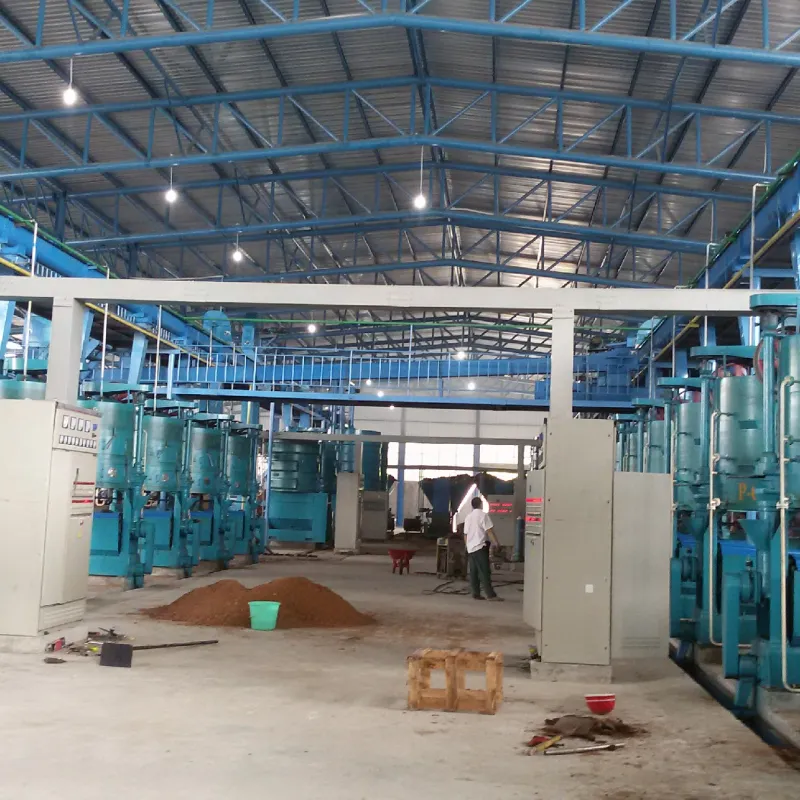
In the competitive edible oil processing industry, where profit margins can be as tight as 3-5%, optimizing production efficiency through automation has become a strategic necessity. Modern large-scale oil mills report 22-35% increased throughput and 18-25% reduced energy consumption after implementing advanced automation systems, according to data from the International Association of Food Technologists. This comprehensive guide walks you through the complete deployment journey of large oil mill automation systems, from initial needs assessment to post-implementation optimization.
The critical first phase determines the entire project's direction and requires meticulous attention to operational details. A thorough assessment should span three dimensions:
Key Assessment Components:
Industry benchmarks suggest that investing 8-12% of the total project budget in this phase can prevent costly redesigns later, potentially saving 30% or more in overall project costs. Successful assessments typically involve cross-functional teams including production managers, process engineers, and maintenance staff, with external automation specialists providing objective expertise.

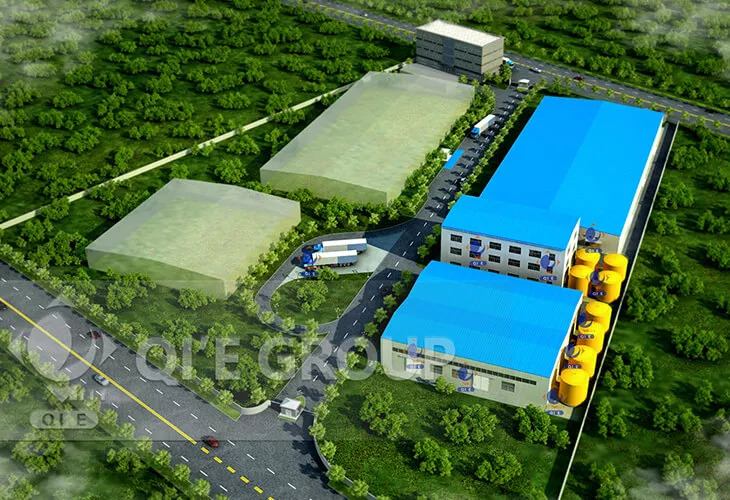
The physical arrangement of automation components directly impacts operational efficiency and maintenance accessibility. Best practices recommend maintaining minimum clearances of 1.2 meters around major equipment for service access while ensuring optimal material flow paths that minimize transfer distances by 30-40% compared to traditional layouts.
Modern design software allows for 3D simulation of the entire production line, enabling visualization of bottlenecks before installation. This virtual testing phase typically reduces on-site modifications by 65-75% during implementation.
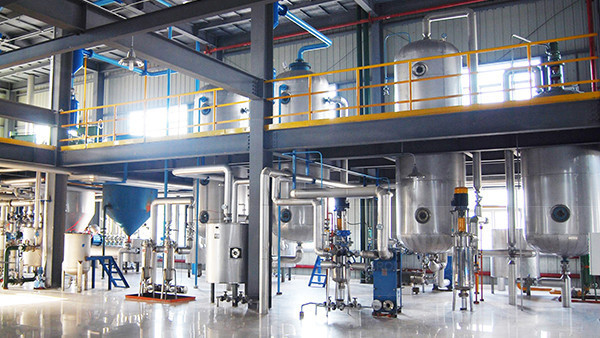
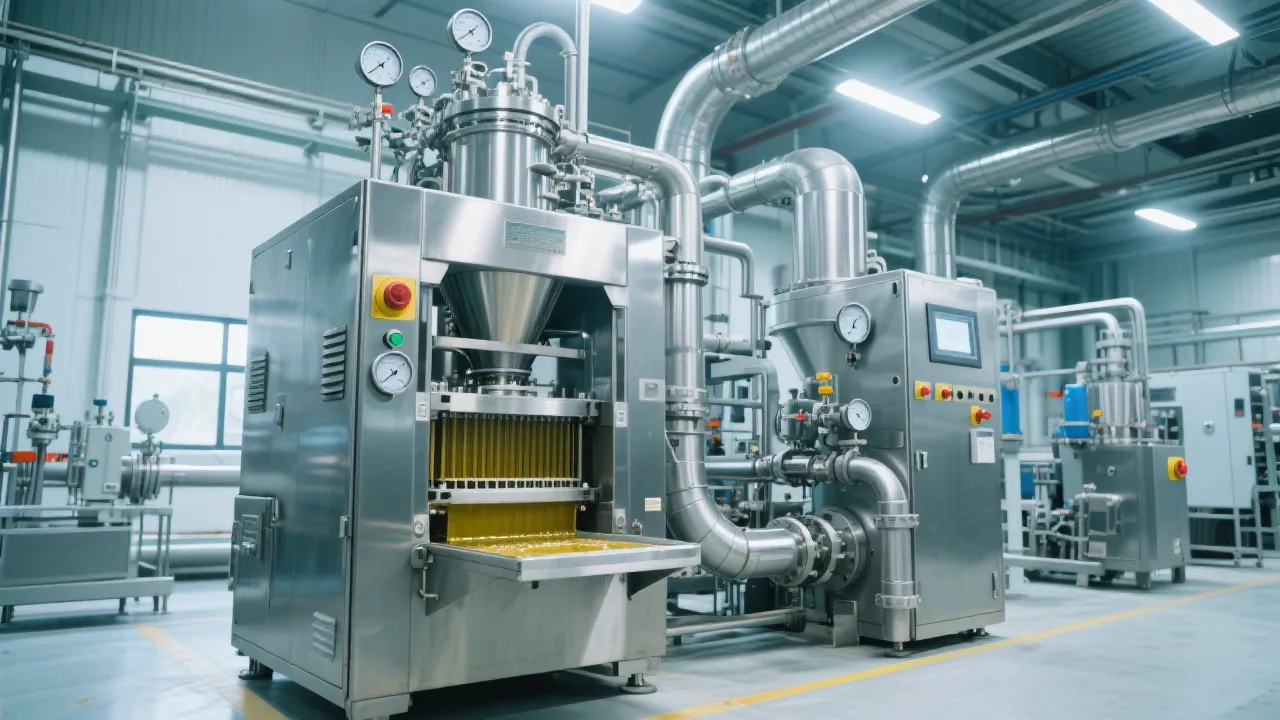
Seamless integration between components is critical for system performance. A typical large oil mill automation system integrates:
Material Handling Systems
Automated conveyors, elevators, and storage silos with integrated level sensing
Processing Equipment
Cleaning, crushing, pressing, and solvent extraction units with precision controls
Quality Control Stations
Online monitoring systems for oil quality, moisture, and impurity levels
Programmable Logic Controllers (PLCs) serve as the central nervous system of modern oil mill automation, processing up to 10,000+ I/O points in large installations. The selection process should consider processing speed, memory capacity, and communication protocols that match your specific requirements.
Accurate data collection is the foundation of effective automation. Oil mill applications require specialized sensors:
| Sensor Type | Application | Accuracy Requirement |
|---|---|---|
| Temperature Sensors | Heating processes, oil cooling | ±0.5°C |
| Pressure Transmitters | Pressing operations, hydraulic systems | ±0.25% FS |
| Level Sensors | Storage silos, process tanks | ±1% FS |
| Flow Meters | Oil, solvent, and water flow | ±0.5% FS |
Advanced automation systems incorporate sophisticated fault detection algorithms that can identify potential issues before they cause downtime. Implementing predictive maintenance based on equipment vibration analysis, temperature trends, and performance degradation patterns typically reduces unplanned downtime by 35-45% and extends equipment lifespan by 20-30%.
"Our fault self-diagnosis system detected abnormal bearing vibration in the main press, allowing for scheduled maintenance during a planned shutdown. This prevented an estimated 72 hours of unplanned downtime and saved approximately $45,000 in production losses." — Technical Manager, Southeast Asian Palm Oil Mill
The commissioning phase transforms design into reality and typically follows a structured sequence: mechanical completion, instrument calibration, loop testing, and system integration. Successful commissioning requires detailed test plans and can take 4-8 weeks for large installations.
Operator proficiency directly impacts system performance. A comprehensive training program should include:
Effective training programs typically require 40-60 hours of instruction per operator, with ongoing refresher sessions every 6 months. Well-documented systems reduce human error by 40-50% and accelerate troubleshooting by 60% or more.
QIE Group delivers turnkey automation systems that increase productivity by 25-35% while reducing energy consumption by up to 22%. Our integrated approach combines advanced PLC control systems, precision sensors, and intelligent data analysis for optimal performance.
Schedule Your Free Automation AssessmentContinuous improvement remains essential after system implementation. Regular performance reviews, typically quarterly, help identify optimization opportunities. Many facilities achieve an additional 5-10% efficiency gain within the first year through data analysis and process refinement. Remember that automation is not a one-time project but an ongoing journey toward operational excellence in the competitive oil processing industry.
 405
|
405
|
 intelligent pressure oil extraction equipment
high-strength wear-resistant materials
sunflower seed oil extraction machine
oil press maintenance guide
grain and oil processing equipment
407
|
Energy-efficient peanut oil press
Oil yield optimization
Agricultural cooperative equipment selection
Intelligent control system
Press energy consumption reduction
95
|
intelligent control system for peanut oil press
automated oil extraction machine
remote maintenance for industrial equipment
power failure recovery in food processing
high humidity industrial automation
382
|
Peanut oil press selection
Energy - saving press maintenance
Press technical parameters
International standard oil - making equipment
High - efficiency peanut oil production equipment
198
|
peanut oil press automation
smart oil extraction control
low energy oil pressing machine
African oil processing solutions
Southeast Asian food processing automation
intelligent pressure oil extraction equipment
high-strength wear-resistant materials
sunflower seed oil extraction machine
oil press maintenance guide
grain and oil processing equipment
407
|
Energy-efficient peanut oil press
Oil yield optimization
Agricultural cooperative equipment selection
Intelligent control system
Press energy consumption reduction
95
|
intelligent control system for peanut oil press
automated oil extraction machine
remote maintenance for industrial equipment
power failure recovery in food processing
high humidity industrial automation
382
|
Peanut oil press selection
Energy - saving press maintenance
Press technical parameters
International standard oil - making equipment
High - efficiency peanut oil production equipment
198
|
peanut oil press automation
smart oil extraction control
low energy oil pressing machine
African oil processing solutions
Southeast Asian food processing automation











.jpg?x-oss-process=image/resize,m_fill,h_800,w_800/format,webp)