
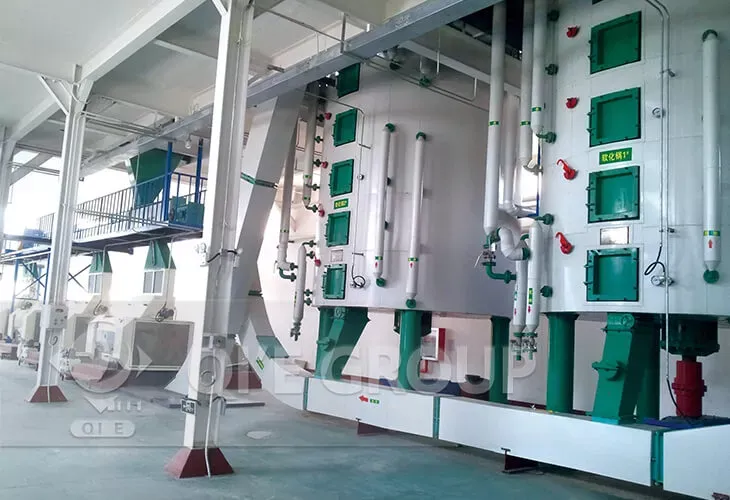
In today's competitive edible oil industry, automation isn't just an advantage—it's a necessity. According to industry reports, oil mills implementing comprehensive automation systems have seen production efficiency improvements of 28-35% and maintenance cost reductions of up to 40%. This guide takes you through the entire process of deploying an automated oil extraction system, from initial research to successful commissioning, with practical insights that can save your facility both time and resources.
The foundation of any successful automation project lies in thorough前期调研 (preliminary research). Start by analyzing your current production metrics: What is your daily processing capacity? Where are the bottlenecks in your existing workflow? A study by the International Association of Food Industry Engineers found that facilities that spent at least 8 weeks on pre-project analysis reduced implementation time by an average of 22%.
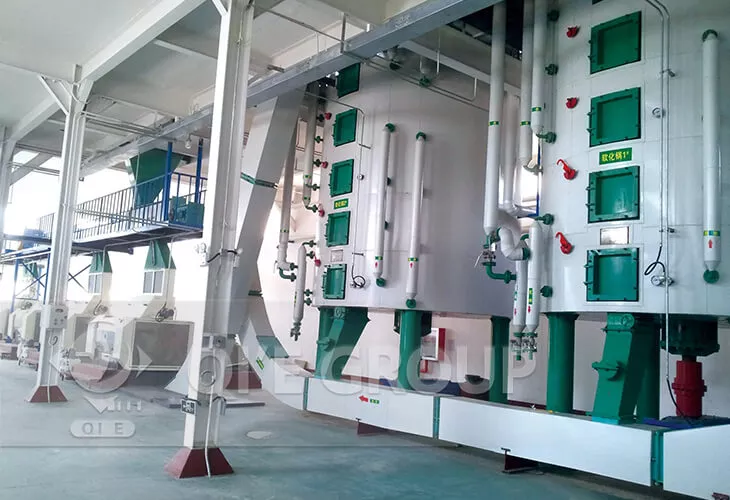
Once your research is complete, the next critical step is designing an efficient equipment layout. The goal is to minimize material handling distances while ensuring smooth workflow between processing stages. For a typical 500TPD (tons per day) oil mill, optimal layout can reduce material transportation time by 35% compared to conventional designs.
Consider the following when designing your layout:
Arrange equipment in a logical sequence from cleaning to extraction to refining, minimizing backtracking and cross-traffic.
Ensure minimum 1.2m clearance around all equipment for maintenance and emergency access.
Design with 20-30% additional space to accommodate future capacity increases.
The PLC (Programmable Logic Controller) serves as the brain of your automated oil extraction line. Modern PLC systems can handle thousands of I/O points and communicate with various sensors and actuators throughout the production process. When configuring your PLC system, consider processing speed requirements—for oil extraction applications, a minimum scan time of 10ms is recommended for precise control.
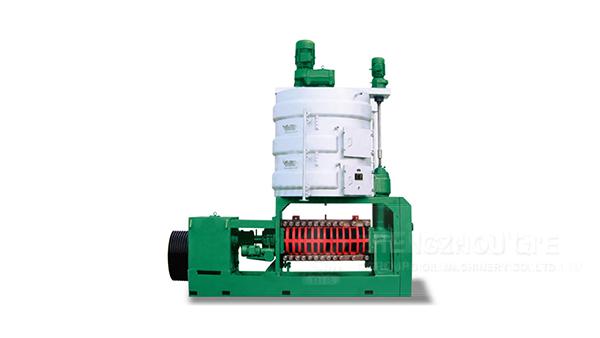
Choosing the right sensors is critical for accurate data collection and process control. In oil milling applications, the most commonly used sensors include:
| Sensor Type | Application | Accuracy Requirement |
|---|---|---|
| Temperature Sensors | Heating processes, oil temperature monitoring | ±0.5°C |
| Level Sensors | Storage tanks, processing vessels | ±1% |
| Pressure Sensors | Extraction presses, filtration systems | ±0.25% |
| Flow Meters | Oil transfer lines, solvent recovery | ±0.5% |
Effective data采集逻辑 (data acquisition logic) ensures you have real-time visibility into all critical process parameters. A well-designed system should collect data at intervals appropriate to the process dynamics—fast-changing parameters like press pressure may need sampling every 100ms, while temperature in storage tanks can be sampled every 5-10 seconds.
One of the most valuable features of modern automation systems is故障自诊断 (fault self-diagnosis) capability. Implementing comprehensive diagnostic functions can reduce downtime by up to 50% by enabling predictive maintenance and rapid troubleshooting. Key diagnostic features to include:
Even the most sophisticated automation system will underperform without proper commissioning and staff training. Allocate sufficient time for system testing—industry best practice recommends 2-3 weeks of commissioning for a medium-sized oil mill automation project. This phase should include component testing, integration testing, and full system simulation before live operation.
Developing comprehensive标准化操作手册 (standardized operation manuals) is equally important. These documents should include detailed SOPs, maintenance schedules, troubleshooting guides, and safety procedures. Well-documented systems have been shown to reduce human error by 40% and improve training efficiency by 60%.
QIE Group automated oil extraction systems have helped over 300 oil mills worldwide achieve average productivity increases of 32% and ROI within 18-24 months.
Discover QIE Group Automation SolutionsEvery oil mill has unique requirements and challenges. What specific production bottlenecks are you hoping to address with automation? Have you encountered particular challenges in previous automation attempts? Sharing your experiences can help industry peers navigate similar situations more effectively.
 434
|
434
|
 peanut oil press machine selection
energy-saving oil press maintenance
oil press technical specifications
agricultural cooperative equipment
small oil mill solutions
299
|
energy-efficient peanut oil refining equipment
peanut oil production line selection
small medium oil mill upgrade
cold pressing vs hot pressing
grain and oil machinery ROI analysis
164
|
peanut oil press machine
efficient oil extraction
agricultural cooperative equipment
oil press maintenance
energy-saving oil press
58
|
peanut oil production line
intelligent control system
equipment selection
grain and oil processing equipment
production line installation
351
|
peanut oil press selection
energy-saving press maintenance
press technical parameters
oil equipment for agricultural cooperatives
solutions for small and medium-sized oil mills
peanut oil press machine selection
energy-saving oil press maintenance
oil press technical specifications
agricultural cooperative equipment
small oil mill solutions
299
|
energy-efficient peanut oil refining equipment
peanut oil production line selection
small medium oil mill upgrade
cold pressing vs hot pressing
grain and oil machinery ROI analysis
164
|
peanut oil press machine
efficient oil extraction
agricultural cooperative equipment
oil press maintenance
energy-saving oil press
58
|
peanut oil production line
intelligent control system
equipment selection
grain and oil processing equipment
production line installation
351
|
peanut oil press selection
energy-saving press maintenance
press technical parameters
oil equipment for agricultural cooperatives
solutions for small and medium-sized oil mills










.jpg?x-oss-process=image/resize,m_fill,h_800,w_800/format,webp)


