As an oil processing enterprise decision-maker, selecting the right large-scale oil press equipment is crucial — not just to meet your production targets but also to optimize energy consumption, streamline operations, and maximize return on investment. This comprehensive guide walks you through the key technical considerations, helping you align your equipment with the specific characteristics of raw materials like peanuts, soybeans, and sunflower seeds.
Your first step is to clearly define your annual production capacity and pinpoint the exact types of raw materials you'll process. For example, peanut oil production may require different equipment adjustments compared to soybean or sunflower seed processing, due to variations in oil content and seed hardness.
Typical annual production scales can range from 5,000 tons (small scale) to over 50,000 tons (industrial scale). Equipment capacity should not only match current demands but allow for flexibility if production scales increase.
Ask yourself:
Automation plays a pivotal role in operational efficiency and cost control. Low-automation presses might reduce initial investment but drive up labor costs and maintenance downtime. Conversely, high automation delivers consistent throughput with less human intervention, ideal for large-scale continuous production.
The table below outlines energy and operational cost estimates for different automation levels, based on industry benchmarks:
| Automation Level | Energy Consumption (kWh/ton) | Average Maintenance Downtime (hours/month) | Labor Intensity |
|---|---|---|---|
| Manual | 60–70 | 10–15 | High |
| Semi-Automatic | 50–60 | 7–10 | Moderate |
| Fully Automatic | 40–50 | 3–5 | Low |
Each raw material has particular processing needs dictated by its oil content, seed coat hardness, and moisture level:
Leveraging specific equipment features for each material reduces downtime and maximizes extraction efficiency.
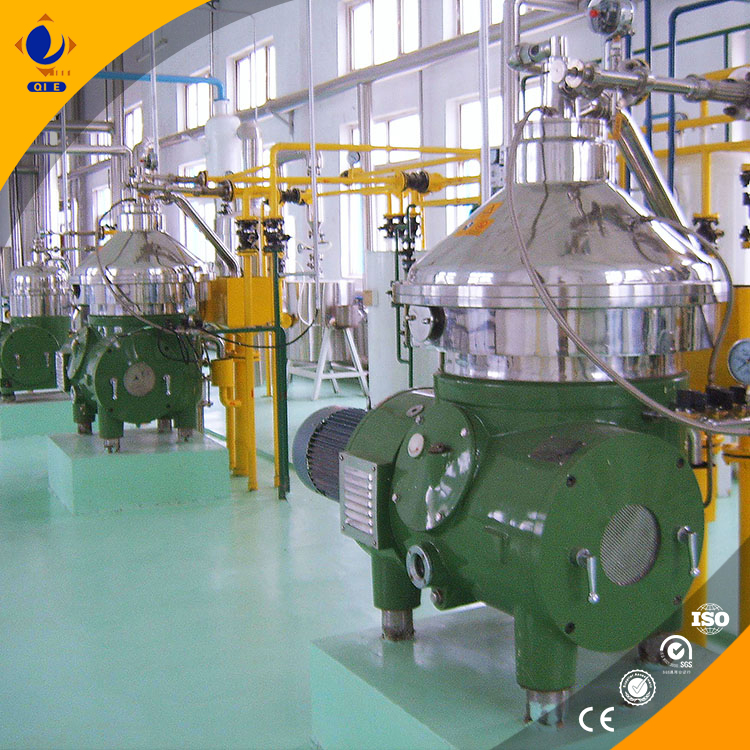
To minimize common purchasing mistakes such as over-specification or underperformance, follow this actionable flowchart tailored for oil processing enterprises:

Key decision points include:
Industry experts highlight that nearly 30% of oil processing enterprises face performance gaps due to mismatched equipment. Effective buyer diligence includes verifying technical specs against standardized parameters and understanding real-world use cases.
“Choosing the correct equipment that aligns with raw material specifics and your operational goals is fundamental. Investing time in detailed needs analysis can increase extraction efficiency by up to 12% and reduce operational costs by 15%.”
- Industry Oil Processing Consultant
If you want to prevent costly selection errors and tailor a solution that perfectly fits your production scale and raw materials, consider leveraging expert-led consultancy and equipment trials.
 66
|
66
|
 peanut oil press machine selection
energy-saving oil press maintenance
oil press technical specifications
green intelligent oil extraction equipment
small and medium oil processing equipment
34
|
cold press peanut oil technology
hot press peanut oil process
energy-efficient oil refining equipment
peanut oil production line selection
smart粮油 machinery
345
|
energy-saving peanut oil refining equipment
cold press vs hot press
intelligent control system
peanut oil processing line
refined peanut oil technology
407
|
Energy-efficient peanut oil press
Oil yield optimization
Agricultural cooperative equipment selection
Intelligent control system
Press energy consumption reduction
278
|
Peanut oil refining technology
Energy - efficient edible oil equipment
Green grain and oil machinery
Fully automatic peanut oil production line
Intelligent grain and oil equipment
peanut oil press machine selection
energy-saving oil press maintenance
oil press technical specifications
green intelligent oil extraction equipment
small and medium oil processing equipment
34
|
cold press peanut oil technology
hot press peanut oil process
energy-efficient oil refining equipment
peanut oil production line selection
smart粮油 machinery
345
|
energy-saving peanut oil refining equipment
cold press vs hot press
intelligent control system
peanut oil processing line
refined peanut oil technology
407
|
Energy-efficient peanut oil press
Oil yield optimization
Agricultural cooperative equipment selection
Intelligent control system
Press energy consumption reduction
278
|
Peanut oil refining technology
Energy - efficient edible oil equipment
Green grain and oil machinery
Fully automatic peanut oil production line
Intelligent grain and oil equipment