

As an oil mill investor or production manager, the decision to select large-scale oil pressing equipment directly impacts your operational efficiency, product quality, and long-term profitability. With over 20 years of experience in the edible oil processing industry, we've witnessed how the right equipment selection can increase production efficiency by 30% while reducing energy consumption by up to 22%. This guide will walk you through a systematic approach to equipment selection that aligns with your specific needs.
The first step in selecting oil pressing equipment is conducting a thorough analysis of your production requirements and raw material characteristics. According to industry benchmarks, mismatched equipment capacity can result in efficiency losses of 15-25% and increase maintenance costs by up to 40%.
Key Considerations:
For example, a facility processing 500 tons/day of soybeans requires significantly different equipment specifications than one handling 100 tons/day of sunflower seeds. Soybeans, with their lower oil content (18-20%), demand higher throughput capacity, while sunflower seeds (38-42% oil content) require more precise pressure control to maximize yield.
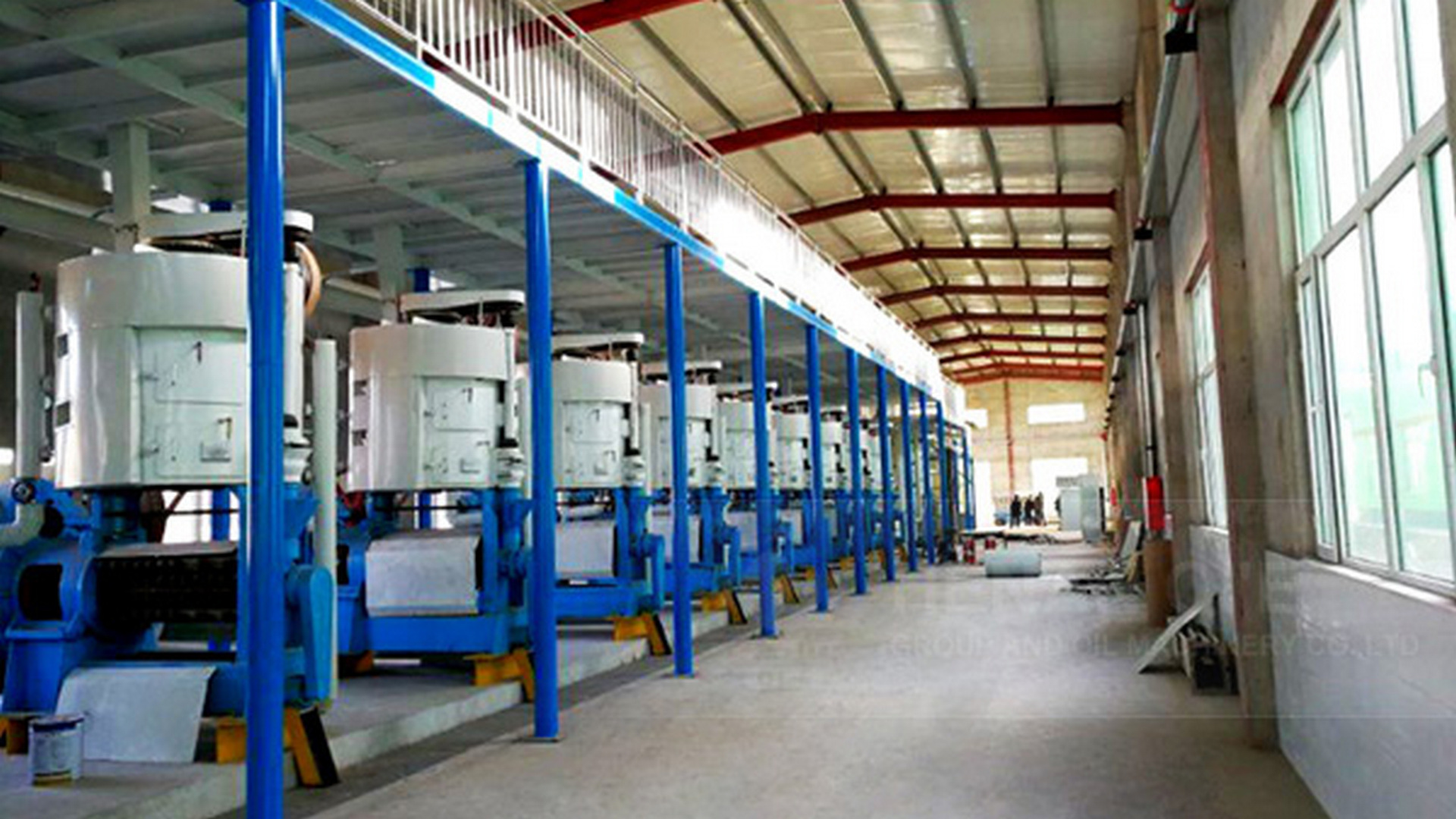
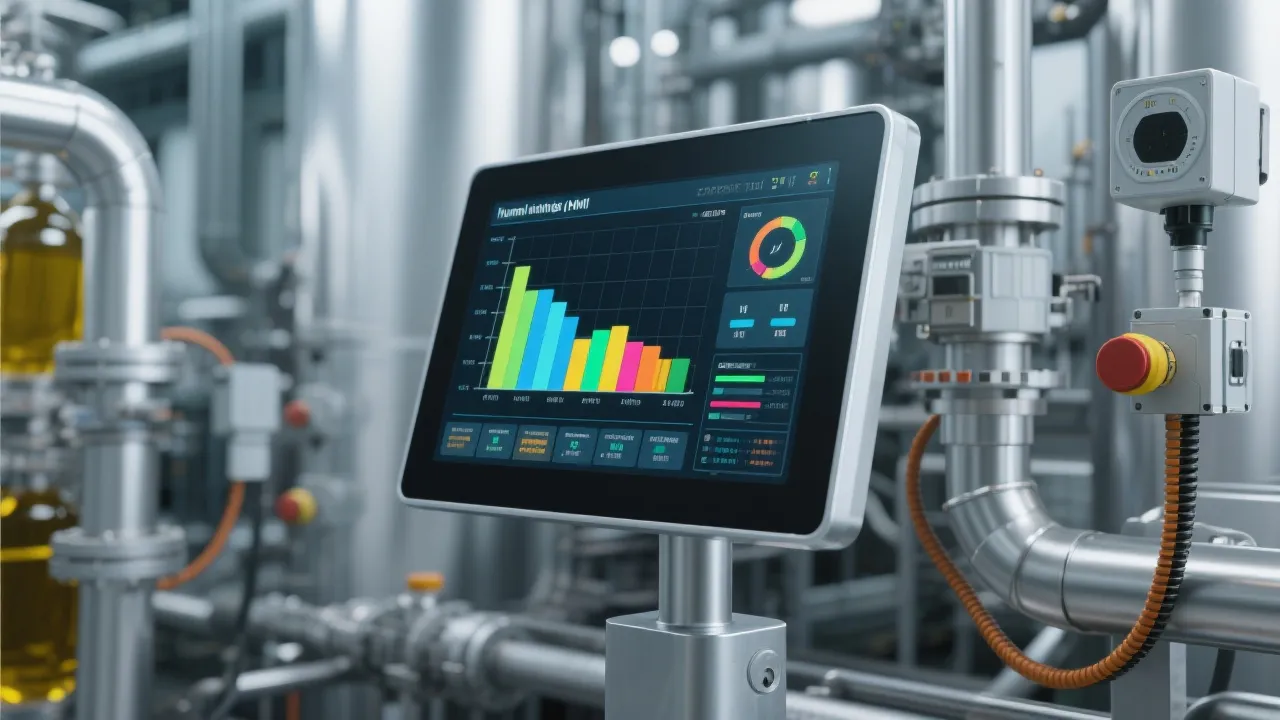
Modern oil processing lines offer varying degrees of automation, from semi-automatic to fully integrated systems. The choice directly impacts labor costs, operational consistency, and energy efficiency. Industry data shows that fully automated lines can reduce labor requirements by 60-70% compared to manual operations while improving product consistency by up to 95%.
| Automation Level | Initial Investment | Energy Efficiency | Labor Requirement | Maintenance Cost |
|---|---|---|---|---|
| Semi-Automatic | $X - $Y | Moderate (70-75%) | High (8-12 operators/shift) | Lower |
| Fully Automatic | $Y - $Z | High (85-90%) | Low (3-5 operators/shift) | Higher |
| Intelligent Integrated | $Z+ | Optimal (90-95%) | Very Low (2-3 operators/shift) | Highest, but predictive maintenance reduces downtime |
When evaluating automation options, consider your production volume, labor costs in your region, and the technical expertise available to maintain the equipment. For facilities processing over 200 tons/day, fully automatic systems typically achieve ROI within 2-3 years through labor savings and improved yield.
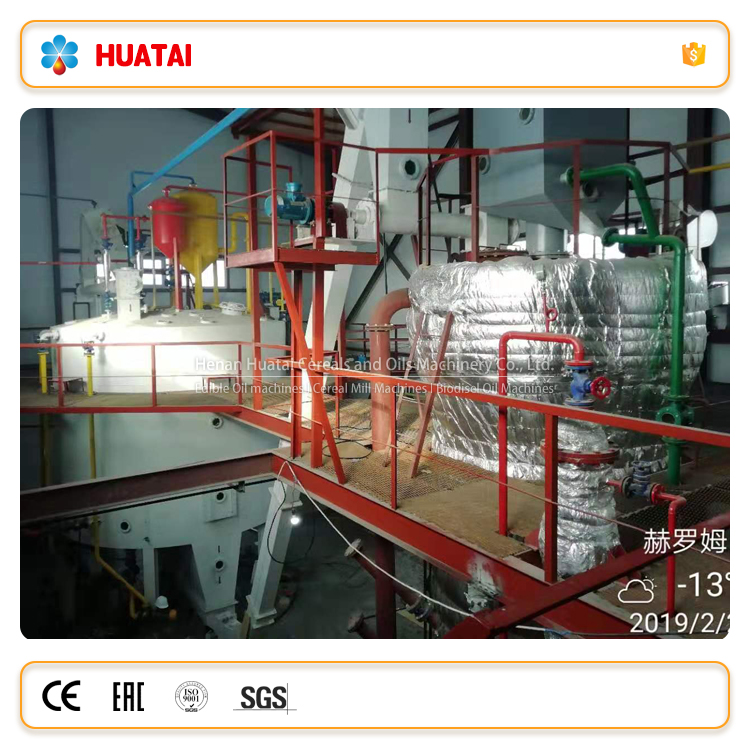
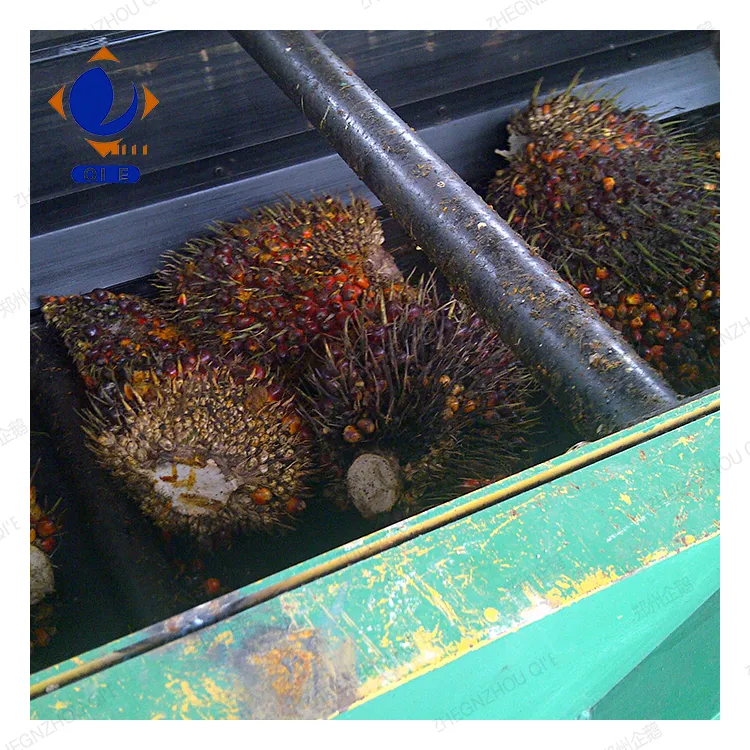
Different oilseeds have unique characteristics that demand specific equipment configurations. Using improperly configured equipment can reduce oil yield by 5-8% and increase energy consumption by 10-15%.
Peanuts require careful pre-treatment to remove红衣(red skin) and ensure uniform size. The ideal pressing temperature ranges between 120-130°C, and the equipment should include efficient de-skinning and sorting systems. Our projects in Southeast Asia have shown that specialized peanut pressing equipment can increase yield by 3-5% compared to multi-purpose presses.
Soybeans, with their high protein content, benefit from pre-pressing and solvent extraction combination systems for maximum oil recovery. The optimal moisture content for pressing is 8-10%, requiring precise drying control. A properly configured soybean line can achieve extraction rates of 97-98%.
Sunflower seeds require careful hulling (ideally 98% hull removal) and benefit from temperature-controlled pressing to preserve oil quality. The equipment should handle the higher oil content while preventing excessive heat buildup. Specialized sunflower presses typically operate at 40-50 bar pressure with a 10-15% moisture content.
A client in Ukraine faced challenges with inconsistent oil yield and high energy consumption. By reconfiguring their pressing equipment with variable speed drives, optimizing roller spacing, and implementing a heat recovery system, we achieved:
The project achieved full ROI within 14 months through increased production and reduced operating costs.
.jpg)
Many oil mill investors make critical mistakes during equipment selection that impact their operations for years. Based on our experience with over 500 projects worldwide, these are the most common pitfalls:
Selecting equipment based solely on current needs often leads to premature replacement. Industry best practice recommends planning for 20-30% capacity growth within a 5-year horizon.
Environmental factors like humidity, temperature variations, and power quality significantly impact equipment performance and require specific adaptations.
Complex equipment often requires specialized maintenance and spare parts. Evaluate the availability of local service support before making your decision.
The cheapest equipment often results in higher operating costs. A thorough TCO (Total Cost of Ownership) analysis over 5-10 years provides a more accurate comparison.
Our team of oil processing experts can provide you with a customized equipment configuration analysis based on your specific raw materials, production goals, and budget constraints.
Get Your Personalized Equipment Selection ReportOur report includes capacity calculations, equipment recommendations, ROI projections, and energy efficiency analysis – at no cost or obligation.
Selecting the right large-scale oil pressing equipment is a decision that will impact your business for years to come. By carefully analyzing your production requirements, understanding the specific needs of your oilseeds, and considering both immediate and long-term operational factors, you can make an investment that maximizes your efficiency, yield, and profitability. Remember that the most expensive equipment isn't always the best choice – the right choice is the one that aligns perfectly with your unique operational needs and business goals.
 145
|
145
|
 Peanut oil press energy-saving technology
Low-energy oil extraction equipment
Agricultural cooperative oil extraction solutions
Oil mill energy-saving transformation
Intelligent press control system
96
|
peanut oil press machine control system
ISO9001 compliant automation
smart oil extraction technology
real-time monitoring for food processing
remote maintenance in industrial systems
345
|
Peanut oil press selection
Energy - saving press maintenance
Press technical parameters
High - efficiency peanut oil equipment
Intelligent oil - making equipment
428
|
peanut oil press control system
large scale oil press automation
oil extraction efficiency optimization
ISO9001 compliant machinery
smart industrial control systems
198
|
peanut oil press automation
smart oil extraction control
low energy oil pressing machine
African oil processing solutions
Southeast Asian food processing automation
Peanut oil press energy-saving technology
Low-energy oil extraction equipment
Agricultural cooperative oil extraction solutions
Oil mill energy-saving transformation
Intelligent press control system
96
|
peanut oil press machine control system
ISO9001 compliant automation
smart oil extraction technology
real-time monitoring for food processing
remote maintenance in industrial systems
345
|
Peanut oil press selection
Energy - saving press maintenance
Press technical parameters
High - efficiency peanut oil equipment
Intelligent oil - making equipment
428
|
peanut oil press control system
large scale oil press automation
oil extraction efficiency optimization
ISO9001 compliant machinery
smart industrial control systems
198
|
peanut oil press automation
smart oil extraction control
low energy oil pressing machine
African oil processing solutions
Southeast Asian food processing automation







.jpg?x-oss-process=image/resize,m_fill,h_800,w_800/format,webp)


