

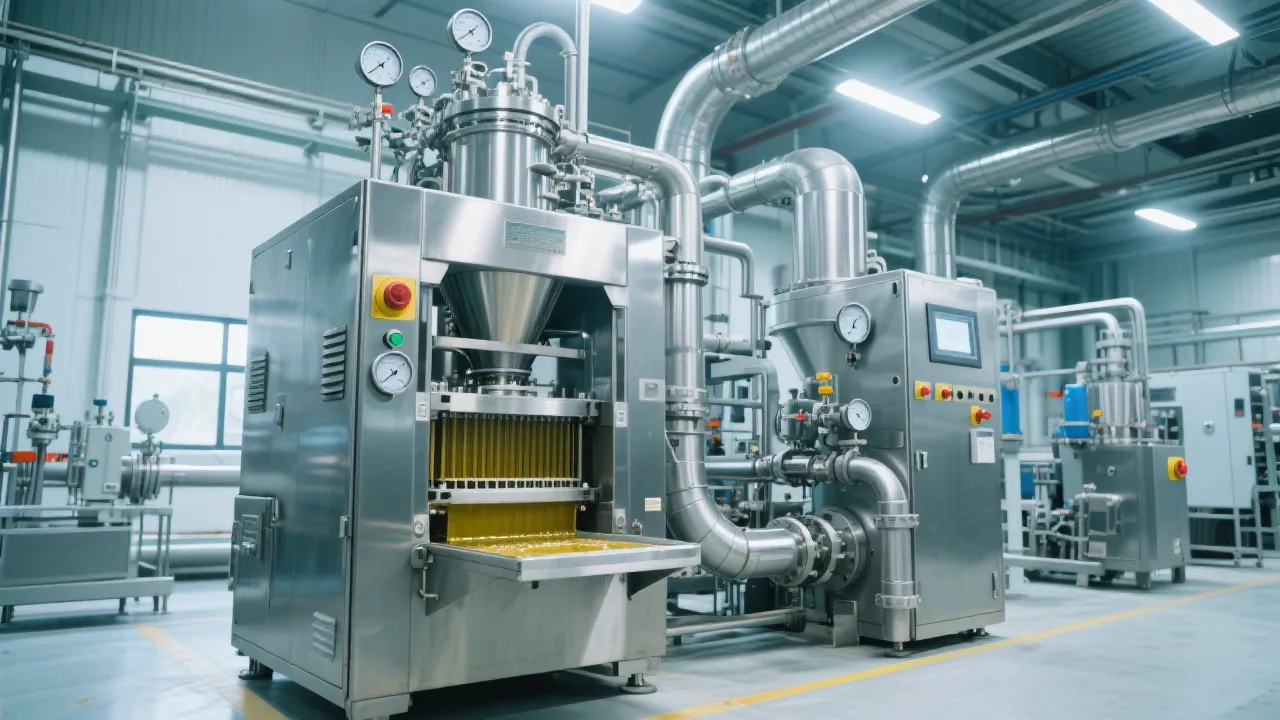
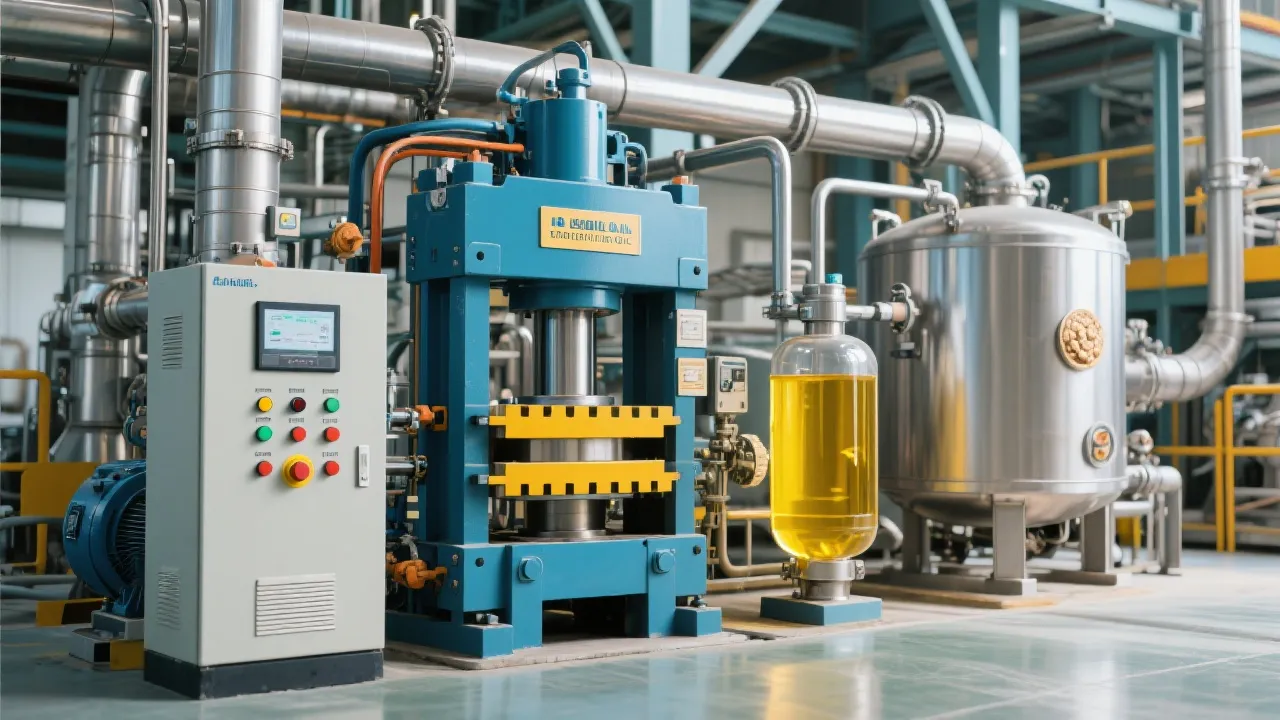
In the realm of peanut oil production, large - scale peanut oil presses with intelligent control systems are revolutionizing the industry. Take, for example, a peanut oil press that can process 2000 tons per hour. Its intelligent control system is a game - changer for large - scale grain and oil enterprises.
The hardware platform of this intelligent control system consists of a Programmable Logic Controller (PLC) and industrial - grade sensors. The PLC is like the "brain" of the press, coordinating all operations. Industrial - grade sensors, on the other hand, are the "sensory organs", constantly collecting data on temperature, pressure, and other key parameters. This combination ensures accurate and stable operation of the press. In contrast, traditional peanut oil presses rely heavily on manual operation, which is prone to human errors and has low efficiency. The intelligent system eliminates these drawbacks by automating the process.
Implementation Key Point: When selecting sensors, choose those with high precision and strong anti - interference ability to ensure accurate data collection.
The software modules include process control algorithms and an anomaly diagnosis engine. The process control algorithms are designed to optimize the pressing process, aiming to increase the oil yield to 98% - 100% and reduce energy consumption by 30%. The anomaly diagnosis engine is similar to the On - Board Diagnostic (OBD) system in a car. It can quickly detect any malfunctions in the press and provide real - time alerts. Traditional presses often have a slow response to faults, leading to long - term production disruptions. The intelligent system's anomaly diagnosis engine solves this problem by enabling quick fault detection and resolution.
Implementation Key Point: Set appropriate alarm thresholds for the anomaly diagnosis engine. For example, set a lower threshold for temperature sensors to detect overheating early.
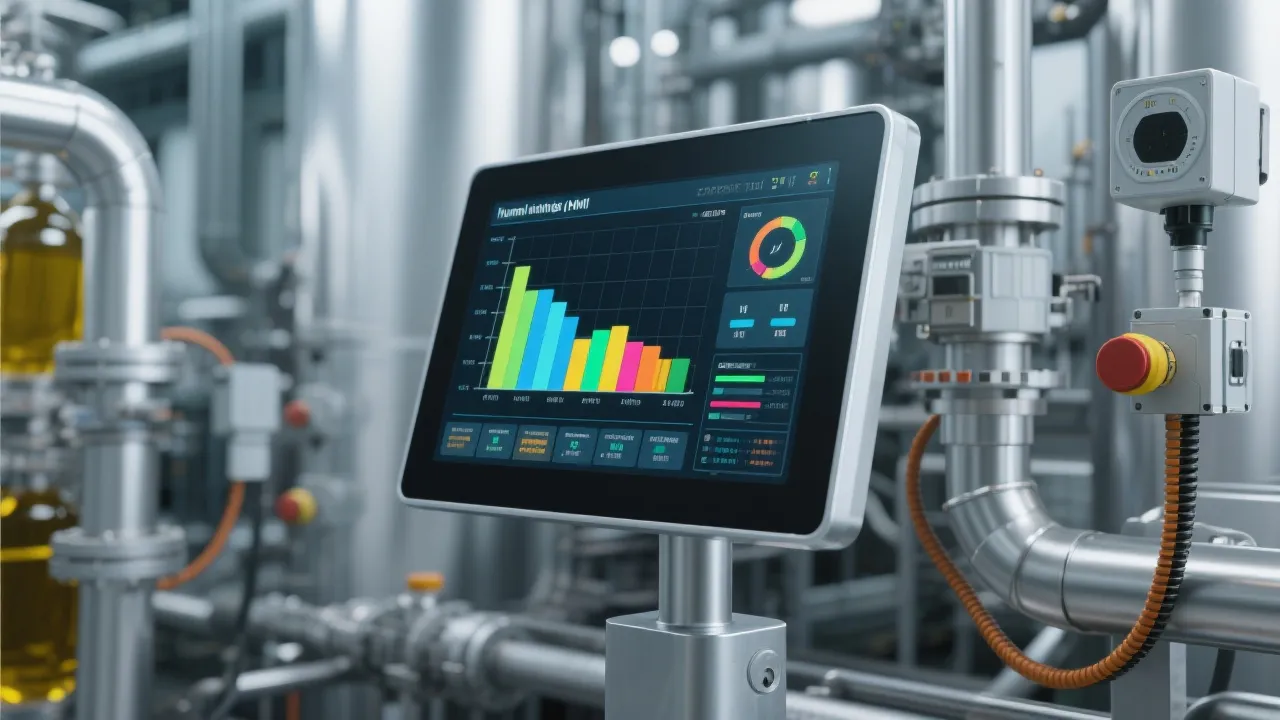
A well - designed data collection and visual monitoring system is essential for the intelligent control system. It continuously collects data from various sensors and presents it in a visual format, such as graphs and charts. This allows production managers and technical engineers to have a clear understanding of the press's operating status at any time. In traditional systems, data collection is often scattered and difficult to analyze. The intelligent system's visual monitoring system simplifies this process, enabling quick decision - making.
Implementation Key Point: Regularly check the data collection devices to ensure data accuracy. Clean the sensors and calibrate them if necessary.
One of the most significant advantages of the intelligent control system is its remote diagnosis and maintenance function. Technical engineers can remotely access the press's control system, diagnose faults, and even perform maintenance tasks. This is particularly useful in emerging markets with complex working conditions, such as Africa and Southeast Asia. Traditional presses require on - site technicians for maintenance, which is time - consuming and costly. The intelligent system's remote maintenance function reduces downtime and maintenance costs.
Implementation Key Point: Before performing remote maintenance, check the network connection stability and ensure that all necessary software is installed on the remote device.

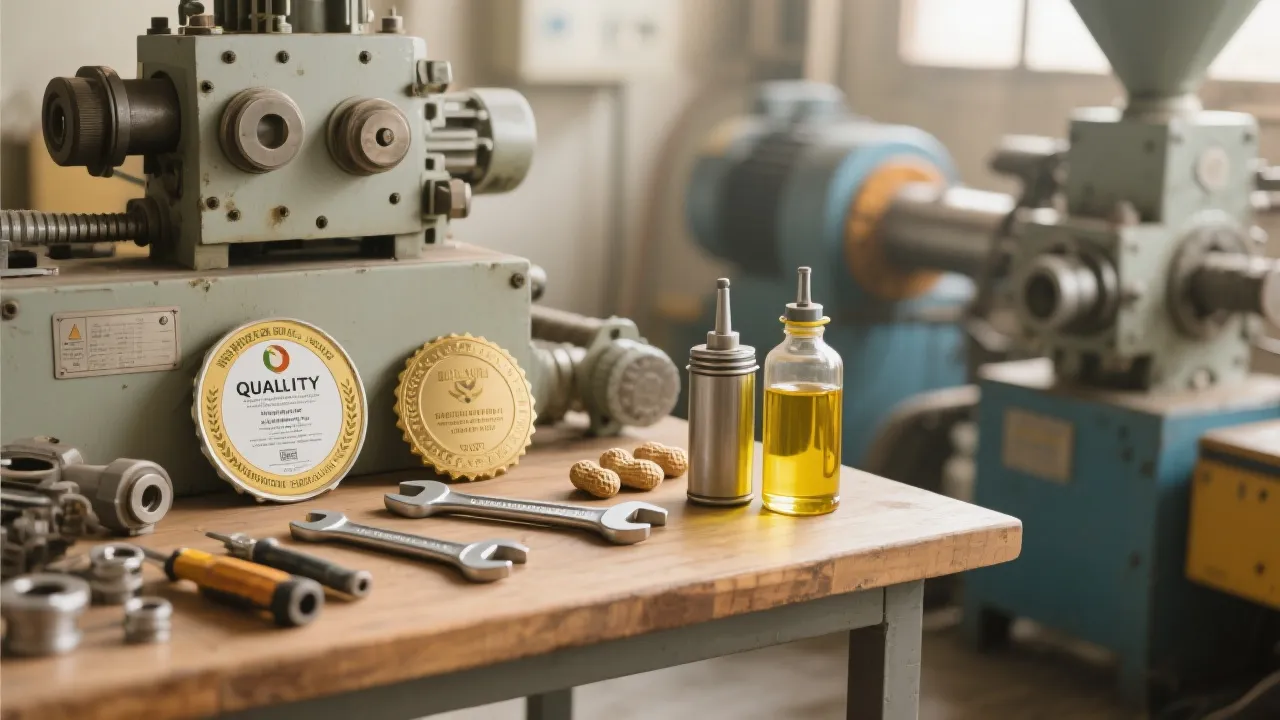
This intelligent control system also meets the requirements of ISO 9001:2000, ensuring product quality traceability and consistency. Real - world applications in Africa and Southeast Asia have demonstrated its stability in complex working conditions, such as high - temperature, high - humidity environments and power outage recovery situations. If you're a technical engineer or production manager in a large - scale grain and oil enterprise, learn more about intelligent control system configuration solutions to take your peanut oil production to the next level.
 426
|
426
|
 peanut oil press machine
energy-efficient oil extraction
intelligent control system
oil press maintenance
operational cost optimization
281
|
energy - saving technology for peanut oil presses
energy consumption optimization in oil mills
low - energy pressing equipment
methods to improve oil yield
equipment upgrade for agricultural cooperatives
401
|
intelligent pressure oil extraction equipment
high-strength wear-resistant materials
sunflower seed oil extraction machine
oil press maintenance guide
grain and oil processing equipment
187
|
peanut oil press energy efficiency
smart control system for oil presses
oil extraction energy optimization
green oil processing equipment
automated press temperature control
237
|
Intelligent control system
Peanut oil press
ISO9001:2000
Quality traceability
Stable oil yield
peanut oil press machine
energy-efficient oil extraction
intelligent control system
oil press maintenance
operational cost optimization
281
|
energy - saving technology for peanut oil presses
energy consumption optimization in oil mills
low - energy pressing equipment
methods to improve oil yield
equipment upgrade for agricultural cooperatives
401
|
intelligent pressure oil extraction equipment
high-strength wear-resistant materials
sunflower seed oil extraction machine
oil press maintenance guide
grain and oil processing equipment
187
|
peanut oil press energy efficiency
smart control system for oil presses
oil extraction energy optimization
green oil processing equipment
automated press temperature control
237
|
Intelligent control system
Peanut oil press
ISO9001:2000
Quality traceability
Stable oil yield









.jpg?x-oss-process=image/resize,m_fill,h_800,w_800/format,webp)


.jpg?x-oss-process=image/resize,m_fill,h_800,w_800/format,webp)
