

The transition from labor-intensive manual operation to a fully automated, unattended system marks a pivotal evolution in large-scale peanut oil production. Handling up to 2,000 tons per hour, these intelligent control systems are engineered to optimize efficiency, stability, and energy consumption—addressing traditional challenges while elevating operational excellence.
Conventional peanut oil pressing heavily relies on skilled operators to monitor complex mechanical processes, manually adjust parameters, and troubleshoot breakdowns. This approach often suffers from:
Addressing these issues requires an intelligent system that combines robust hardware with sophisticated software algorithms, ensuring continuous and consistent performance.
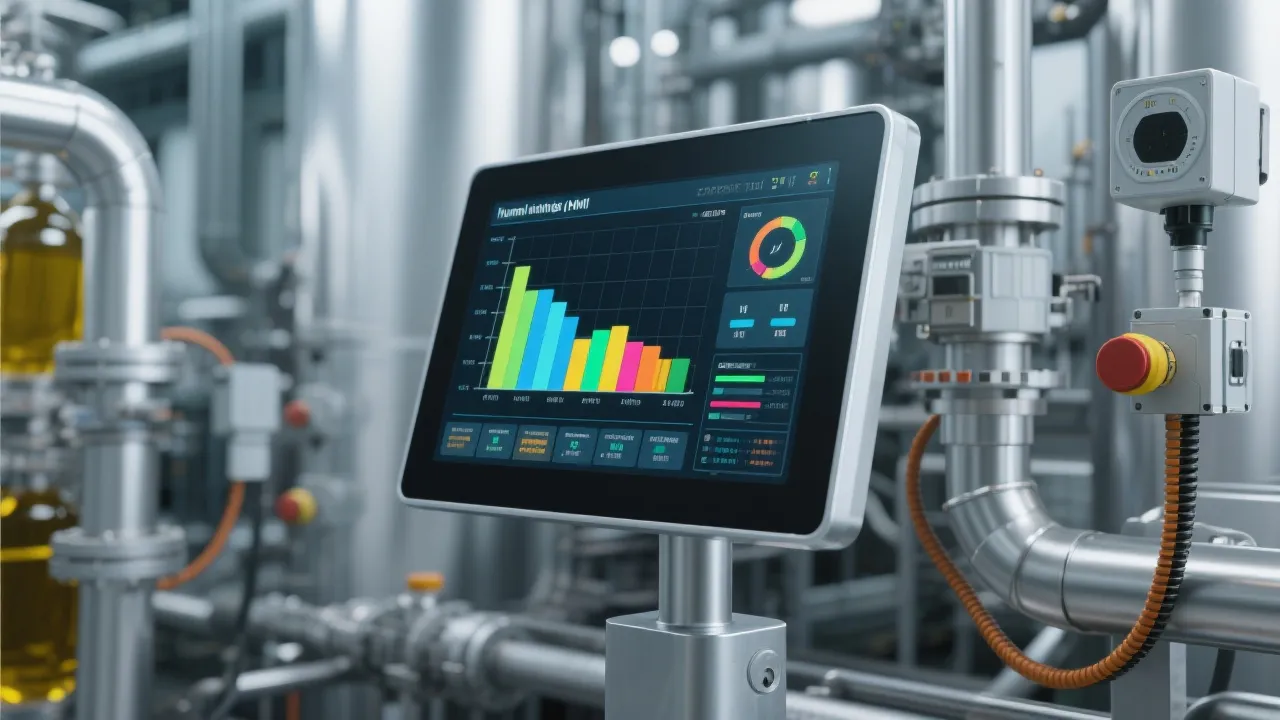
The intelligent control system comprises a modular hardware setup—featuring programmable logic controllers (PLCs), sensors for temperature, pressure, and moisture, and automated actuators—integrated seamlessly with a centralized software platform. This software platform manages data acquisition, analytics, and user interfaces for real-time supervision.
Communication protocols are optimized for reliability in harsh conditions typical in Africa and Southeast Asia, including wireless redundancy and battery-backed power supplies enabling autonomous recovery post-outages.
The system precisely orchestrates temperature control, oil pressure adjustments, and feeding speed to maintain optimal pressing parameters. Automated feedback loops using PID controllers dynamically adapt to feedstock variability, ensuring oil extraction rates consistently reach between 98% to 100%.
Sophisticated sensors continuously track key metrics—such as motor load, oil temperature, and moisture content—streaming data to a centralized dashboard with live status updates. This visibility empowers operators and supervisors to detect anomalies instantly, minimizing defects and waste.
Advanced diagnostic algorithms analyze sensor data trends and trigger preconfigured alarms before faults escalate. For example, vibration analysis alerts push for early bearing replacement, preventing unplanned downtimes. The system’s machine learning modules refine fault predictions by continuously learning from historical data.
Maintenance teams can access system parameters and logs remotely via secure cloud connections. This capability is critical for plantations in remote locations where onsite technical expertise is scarce. Remote updates and troubleshooting reduce maintenance costs and response times dramatically.
ISO9001:2000 quality management principles underpin the system’s design, ensuring process stability, traceability, and compliance with international standards. This certification boosts buyer confidence and streamlines export documentation.
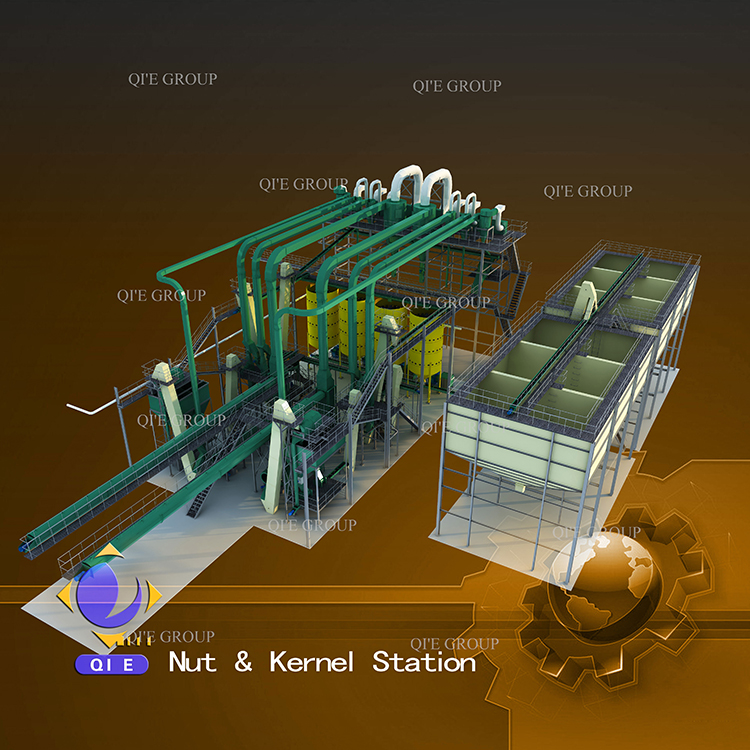
Practical deployments in Africa’s tropical regions and Southeast Asia demonstrate the system’s robustness under extreme conditions. High ambient humidity and frequent power fluctuations historically compromised oil yields and equipment longevity. However, intelligent control with embedded environmental sensors and power-fail auto-recovery features enable:
To maximize system performance, operators should consider:
Let every drop of oil be guarded by intelligence — Click here to explore customized intelligent control system configurations
What challenges have you encountered when implementing automation in your oil pressing operations? Share your experience and let's discuss solutions that push the industry forward.
 435
|
435
|
 smart sunflower oil extraction equipment
pressure control technology
oil extraction rate optimization
equipment maintenance guide
grain and oil processing machinery
407
|
Energy-efficient peanut oil press
Oil yield optimization
Agricultural cooperative equipment selection
Intelligent control system
Press energy consumption reduction
83
|
Peanut oil press energy - saving technology
Intelligent temperature control system
Press energy consumption optimization
Agricultural cooperative oil - making equipment
Food processing energy - saving solutions
195
|
peanut oil press machine energy efficiency
low energy oil extraction equipment
export oil press machine
agricultural cooperative oil processing
energy-saving oil pressing technology
451
|
energy-efficient peanut oil press
smart control system
electricity cost reduction
oil extraction efficiency
African agri-business case study
smart sunflower oil extraction equipment
pressure control technology
oil extraction rate optimization
equipment maintenance guide
grain and oil processing machinery
407
|
Energy-efficient peanut oil press
Oil yield optimization
Agricultural cooperative equipment selection
Intelligent control system
Press energy consumption reduction
83
|
Peanut oil press energy - saving technology
Intelligent temperature control system
Press energy consumption optimization
Agricultural cooperative oil - making equipment
Food processing energy - saving solutions
195
|
peanut oil press machine energy efficiency
low energy oil extraction equipment
export oil press machine
agricultural cooperative oil processing
energy-saving oil pressing technology
451
|
energy-efficient peanut oil press
smart control system
electricity cost reduction
oil extraction efficiency
African agri-business case study








.jpg?x-oss-process=image/resize,m_fill,h_800,w_800/format,webp)

