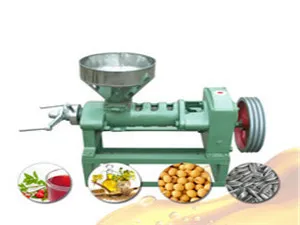
For agricultural cooperatives aiming to transform traditional oil processing, balancing operational efficiency with community harmony presents a unique challenge. The high-efficiency peanut oil press emerges as a pivotal solution that addresses both production needs and neighborhood concerns.
Noise pollution has long been a contentious issue for oil processing facilities located near residential areas. Traditional oil presses typically operate at 95-110 decibels, comparable to the noise level of a power saw. This not only affects worker health but often leads to community complaints and even operational restrictions.
"Our cooperative was facing threats of closure due to noise complaints. After switching to low-noise equipment, we've not only maintained good neighbor relations but also improved working conditions for our staff." — Agricultural Cooperative Manager, Central Java
The low-noise oil press equipment from Penguin Group addresses this critical issue through advanced sound dampening technology and precision engineering, operating at an impressive 75-80 decibels—comparable to normal conversation levels. This significant reduction allows cooperatives to operate during standard hours without community disruption, eliminating the need for costly soundproofing or restricted operating schedules.
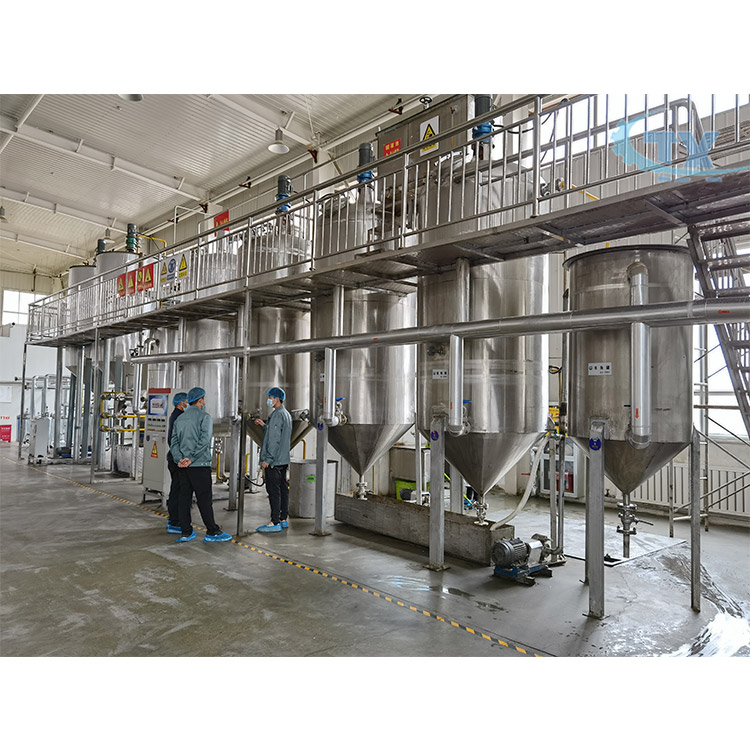
For agricultural cooperatives operating on tight margins, every percentage point in oil extraction efficiency directly impacts profitability. Traditional hydraulic presses typically achieve 85-90% oil extraction rates, leaving valuable oil residue in the press cake. The Penguin Group oil press incorporates a multi-stage pressing mechanism that achieves an exceptional 98-100% extraction rate.
| Performance Metric | Traditional Press | Penguin Group High-Efficiency Press | Improvement |
|---|---|---|---|
| Oil Extraction Rate | 85-90% | 98-100% | +8-15% |
| Noise Level | 95-110 dB | 75-80 dB | -20-30 dB |
| Maintenance Interval | 300 hours | 800 hours | +167% |
| Lifespan | 3-5 years | 8-10 years | +60-100% |
For a cooperative processing 500kg of peanuts daily, this 8-15% improvement translates to an additional 120-225 liters of oil monthly, representing approximately $1,800-$3,375 in extra revenue (based on average peanut oil prices of $15 per liter). Over a year, this efficiency gain alone can fund the equipment investment while significantly boosting member dividends.
The harsh environment of oil processing—with high temperatures, moisture, and acidic byproducts—demands exceptional durability. Penguin Group's presses feature food-grade 304 stainless steel construction that resists corrosion and maintains hygiene standards even after years of continuous operation.
Unlike carbon steel alternatives that require frequent painting and replacement, the stainless steel components eliminate rust concerns and reduce maintenance requirements. This material choice extends equipment lifespan to 8-10 years, compared to 3-5 years for conventional presses, dramatically lowering total cost of ownership.
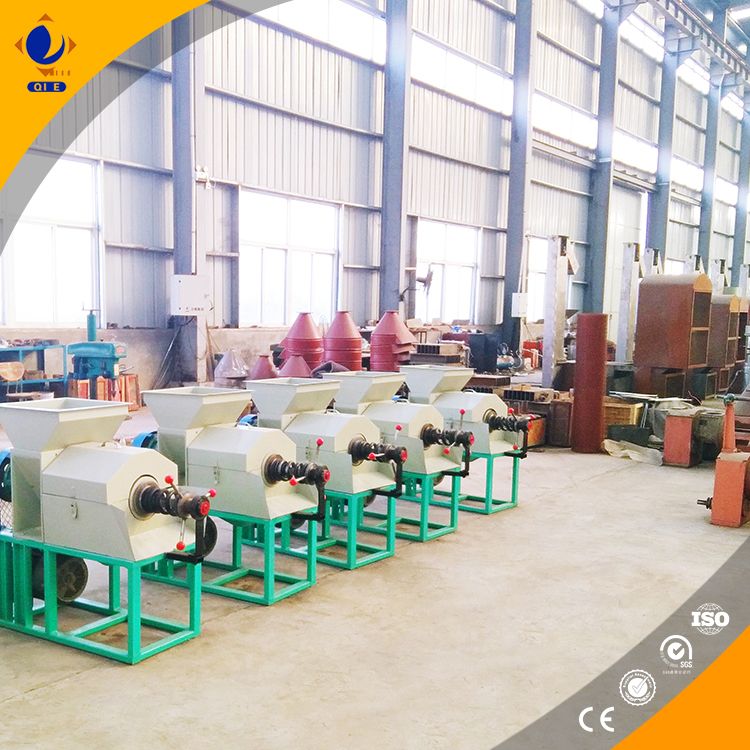
In today's competitive market, quality consistency is paramount for agricultural cooperatives seeking long-term buyers. Penguin Group's manufacturing process adheres to ISO 9001 quality management standards, ensuring each press meets rigorous performance criteria before leaving the factory.
This commitment to quality translates to reliable operation with minimal downtime—a critical factor for cooperatives where processing delays can lead to crop spoilage and missed market opportunities.
When selecting an oil press for your cooperative, consider not just initial cost but total lifecycle value. Look for models that offer:
Simple maintenance practices can further extend equipment life and performance: daily cleaning of pressing chambers, weekly lubrication of moving parts, and quarterly inspection of filter systems. Many cooperatives find that assigning dedicated equipment operators responsible for regular maintenance significantly improves longevity and performance.
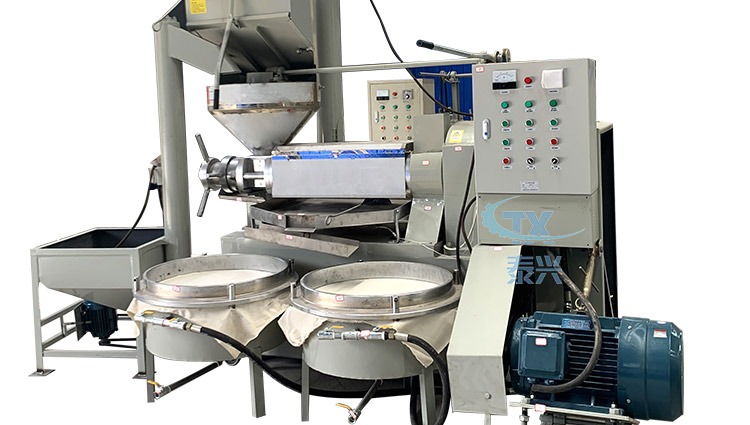
The transition from traditional to modern oil processing equipment represents more than just technological upgrade—it's a strategic investment in the cooperative's future sustainability. By reducing operational disruptions through low-noise design, increasing revenue through higher extraction rates, and minimizing long-term costs through durable construction, Penguin Group's agricultural cooperative oil processing solution delivers comprehensive benefits.
Many cooperatives report not only financial improvements but also enhanced member satisfaction and community relations. With reliable equipment producing consistent-quality oil, cooperatives can develop stronger relationships with buyers and access higher-value markets that were previously out of reach.
Discover how Penguin Group's high-efficiency peanut oil press can boost your revenue while maintaining community harmony.
Download Your Free Cooperative Oil Processing GuideAs agricultural cooperatives continue to play a vital role in rural economies, embracing technology that balances productivity with community needs becomes increasingly important. The right equipment investment not only improves bottom-line results but also strengthens the cooperative's position as a responsible community member and sustainable business enterprise.
 492
|
492
|
 oil pressing energy saving
heat recovery system
energy efficient oil mill
oil refining energy reduction
sustainable oil processing
313
|
peanut oil press machine
energy-efficient oil press
agricultural cooperative equipment
small oil mill solution
oil press maintenance
299
|
energy-efficient peanut oil refining equipment
peanut oil production line selection
small medium oil mill upgrade
cold pressing vs hot pressing
grain and oil machinery ROI analysis
35
|
cold press peanut oil technology
hot press peanut oil process
energy-efficient oil refining equipment
peanut oil production line selection
smart粮油 machinery
268
|
large oil mill automation system
PLC control system configuration
sensor selection for oil processing
automated oil production line deployment
Penguins Group oil equipment
oil pressing energy saving
heat recovery system
energy efficient oil mill
oil refining energy reduction
sustainable oil processing
313
|
peanut oil press machine
energy-efficient oil press
agricultural cooperative equipment
small oil mill solution
oil press maintenance
299
|
energy-efficient peanut oil refining equipment
peanut oil production line selection
small medium oil mill upgrade
cold pressing vs hot pressing
grain and oil machinery ROI analysis
35
|
cold press peanut oil technology
hot press peanut oil process
energy-efficient oil refining equipment
peanut oil production line selection
smart粮油 machinery
268
|
large oil mill automation system
PLC control system configuration
sensor selection for oil processing
automated oil production line deployment
Penguins Group oil equipment