Complete Guide to Automating Large Oil Mills: From Planning to Commissioning

QI ' E Group
2026-03-07
Tutorial Guide
Learn how to efficiently deploy an automation system in large oil mills with this comprehensive guide. We break down the entire process from调研 (research) to debugging, covering equipment layout planning, PLC control logic configuration, sensor selection, and fault self-diagnosis implementation. Real project case studies highlight common installation pitfalls and avoidance strategies, while providing standardized operation manual templates and staff training essentials. Whether building a new line or upgrading existing ones, this practical guide helps you achieve stable, high-efficiency production with Penguin Group's expertise.
https://shmuker.oss-accelerate.aliyuncs.com/data/oss/65b068c3c2e9735675cac322/65b0a486107bc6700293c9bf/炼油机械-2.jpg

The Complete Guide to Automating Your Large-Scale Oil Mill: From Planning to Commissioning

In today's competitive edible oil industry, automation isn't just an option—it's a necessity. Modern oil mills report 25-35% increased production efficiency and 18-22% reduced operational costs after implementing comprehensive automation systems. But where do you start? This step-by-step guide will walk you through transforming your conventional oil processing line into a smart, efficient operation that delivers consistent quality while minimizing downtime.

Setting Clear Automation Objectives

Before diving into technical specifications, define what success looks like for your facility. Most oil mill operators prioritize three key goals:

  • Production Efficiency: Target 15-20% higher throughput by eliminating bottlenecks in pressing, extraction, and refining processes
  • Cost Reduction: Aim for 10-15% lower energy consumption and 20-25% reduced labor requirements
  • Consistency & Quality: Maintain oil quality parameters within ±2% tolerance, significantly reducing batch variations

These objectives will guide every decision from equipment selection to programming logic.

Critical Pre-Implementation Assessment

Successful automation begins with thorough groundwork. Rushing this phase is the single biggest mistake we see in oil mill automation projects, often leading to costly rework. Allocate 4-6 weeks for detailed analysis:

Capacity Requirements Analysis

Document your current and projected production volumes. Consider seasonal variations—most edible oil facilities experience 30-40% demand fluctuations throughout the year. Your automation system must handle peak loads while remaining efficient during slower periods.

Facility Evaluation

Assess your existing infrastructure for space constraints, power availability (typically requiring 380V three-phase power), and environmental factors like temperature and humidity that can affect electronic components.
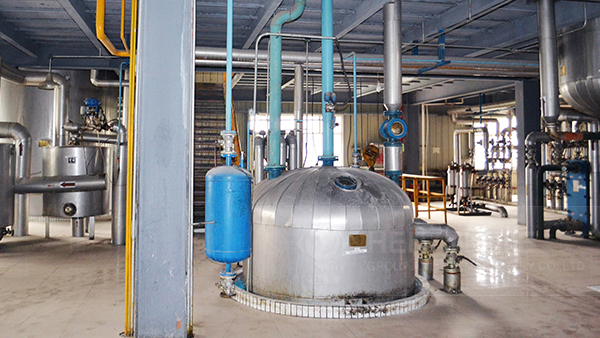
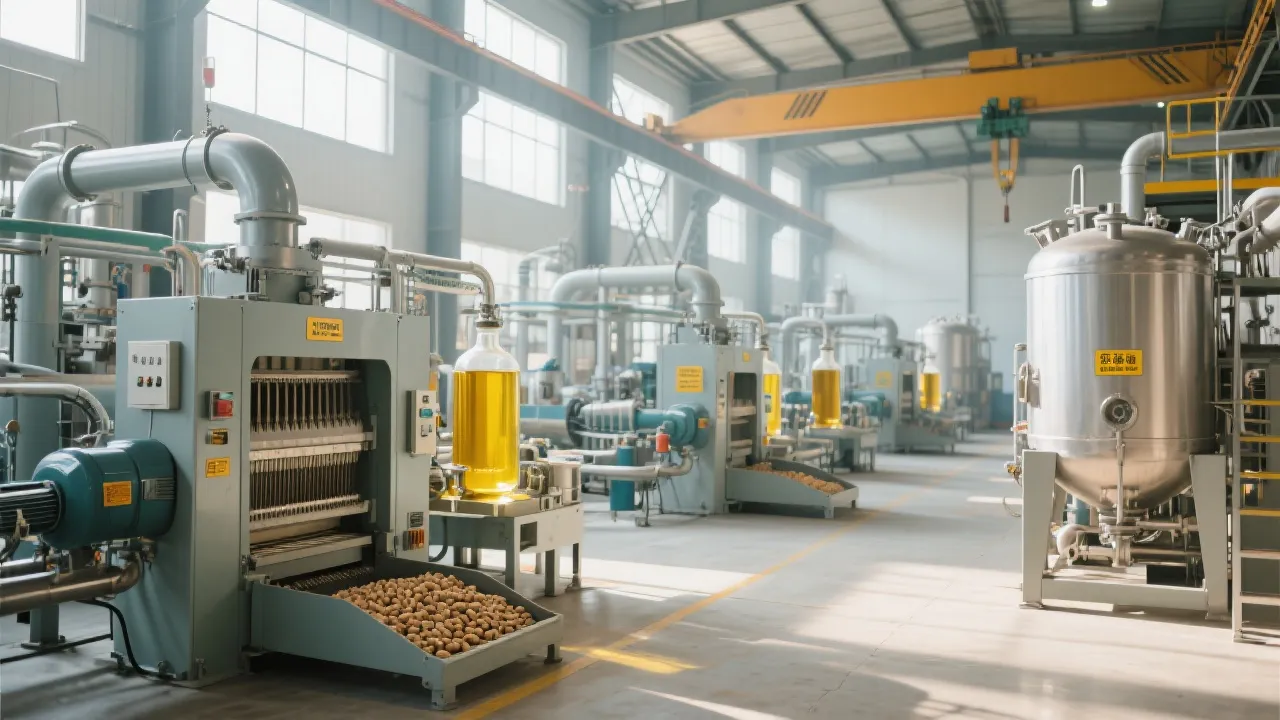
Oil mill automation system layout planning with modular design approach

Optimizing Equipment Layout for Automation

Modular design is critical for oil mill automation. Arrange your processing line in logical work cells—preparation, pressing, extraction, refining, and packaging—each with dedicated control systems that communicate seamlessly.

Key layout considerations:

  • Material Flow: Minimize product movement with U-shaped or linear layouts that reduce handling time by 25-30%
  • Maintenance Access: Ensure minimum 1.2m clearance around all automated equipment for servicing
  • Safety Zones: Implement physical barriers and light curtains around high-speed components, with emergency stop buttons every 10-15 meters

PLC Control System Configuration

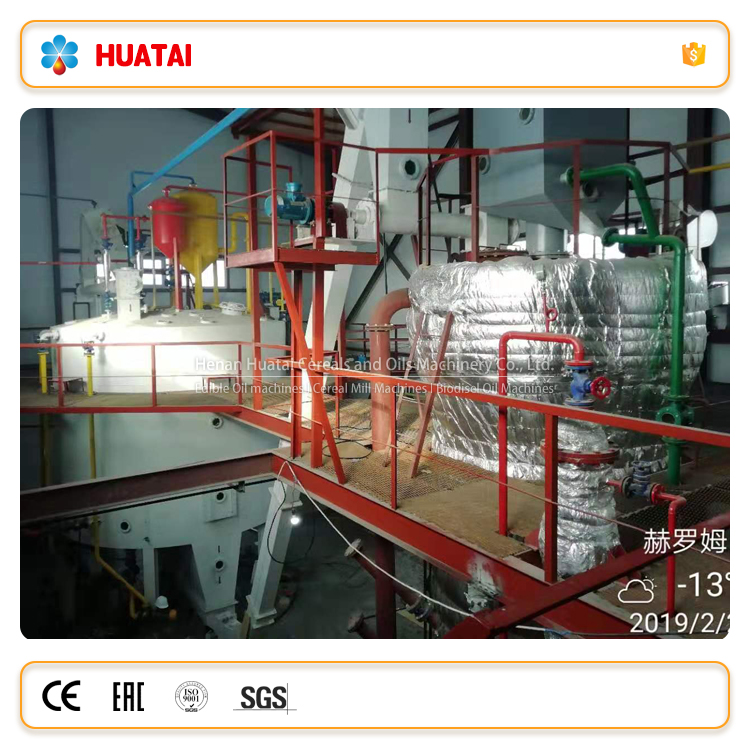
The Programmable Logic Controller (PLC) serves as the brain of your automation system. For large oil mills, we recommend a modular PLC with distributed I/O architecture to handle the 200-500 I/O points typically required.
Essential PLC Programming Considerations

  1. I/O Allocation: Separate digital and analog signals; reserve 15-20% spare capacity for future expansion
  2. Communication Protocols: Use Modbus TCP/IP for local devices and OPC UA for higher-level data exchange with SCADA systems
  3. Logic Organization: Structure programs by process function (pressing, filtering, etc.) with standardized subroutines for easier troubleshooting
  4. Fail-Safe Programming: Implement automatic shutdown sequences for critical failures, with clear diagnostic codes
PLC control system architecture for oil mill automation showing I/O modules and communication layers

Sensor Selection and Data Acquisition

Accurate data collection is the foundation of effective automation. In oil processing, temperature, pressure, and flow measurements are particularly critical:

Process Stage Critical Sensors Measurement Range
Seed Preparation Moisture sensors, level transmitters 5-15% moisture content
Pressing/Extraction Temperature sensors, pressure transducers 40-120°C, 0-200 bar
Refining Flow meters, pH sensors, conductivity probes 0-500 L/min, pH 2-12

Implementing Effective Fault Diagnosis

Unplanned downtime costs the average oil mill $3,000-5,000 per hour. A robust fault diagnosis system can reduce downtime by 40-60% through:
  • Real-time Anomaly Detection: Set threshold values for all critical parameters with multi-level alerts
  • Predictive Maintenance: Monitor equipment vibration, temperature trends, and cycle counts to schedule maintenance before failures occur
  • Remote Monitoring: Access system data from anywhere to diagnose issues without being on-site
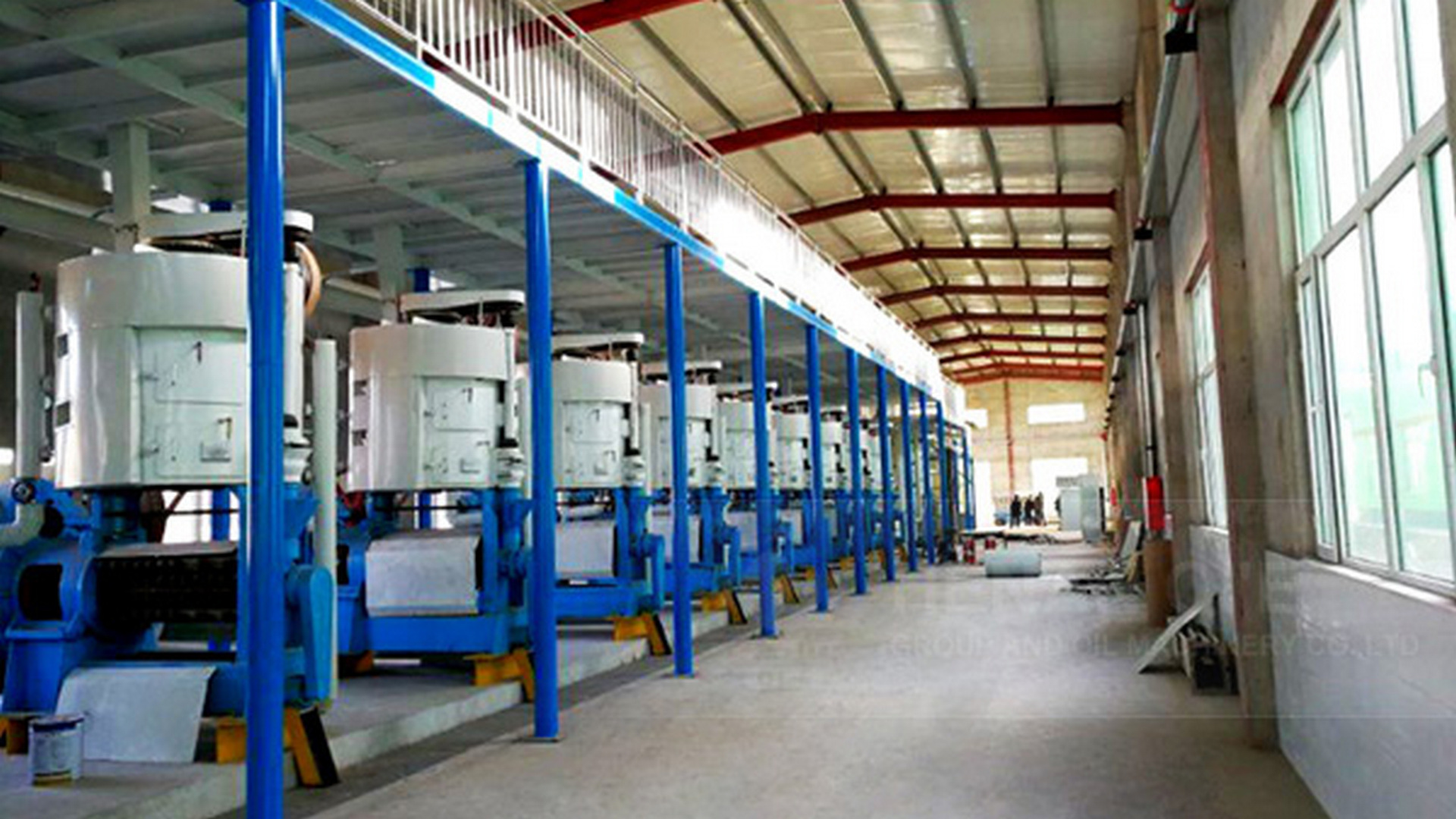
Oil mill automation fault diagnosis workflow showing alert triggers and resolution paths

Common Pitfalls to Avoid

Based on our experience with over 120 oil mill automation projects, these are the most frequent issues that cause delays and budget overruns:

  • Signal Interference: Run sensor cables separate from power lines; use shielded cables for analog signals in noisy environments
  • Component Compatibility: Verify communication protocols between different manufacturers' equipment before purchase
  • Inadequate Training: Allocate 16-20 hours of training per operator; hands-on practice reduces errors by 65%
  • Ignoring Environmental Factors: Protect electrical components from oil mist, dust, and temperature extremes with proper enclosures

Operator Training and Documentation

Even the most advanced automation system will underperform without properly trained staff. Develop a comprehensive training program covering:

  • System startup and shutdown procedures
  • Normal operation monitoring and adjustments
  • Troubleshooting common issues
  • Preventive maintenance schedules

Create standardized operating procedures with clear step-by-step instructions and visual aids. Update documentation whenever system changes are made.

Ready to Transform Your Oil Mill's Performance?

Penguin Group's oil mill automation experts have helped facilities worldwide achieve average ROI within 14-18 months. Our turnkey solutions combine industry-specific expertise with cutting-edge technology.

Get Your Custom Oil Mill Automation Plan

What challenges have you faced in automating your oil processing operations? Share your experiences and questions in the comments below—our automation specialists regularly respond to industry inquiries.

Name *
Email *
Message*

Recommended Products

Related Reading

Smart Upgrades for Peanut Oil Refining Equipment: Reduce Energy Use and Boost Efficiency

2026-01-23 | https://shmuker.oss-accelerate.aliyuncs.com/tmp/temporary/60ec5bd7f8d5a86c84ef79f2/60ec5bdcf8d5a86c84ef7a9a/20240305161110/eye.png 372 | https://shmuker.oss-accelerate.aliyuncs.com/tmp/temporary/60ec5bd7f8d5a86c84ef79f2/60ec5bdcf8d5a86c84ef7a9a/20240305160636/lable.png peanut oil refining equipment energy-efficient oil processing smart oil extraction technology automated peanut oil production line green food machinery

Practical Guide for Energy - Efficient Operations in Small and Medium - Sized Oil Mills: Methods to Improve Oil Yield and Reduce Costs

2025-12-13 | https://shmuker.oss-accelerate.aliyuncs.com/tmp/temporary/60ec5bd7f8d5a86c84ef79f2/60ec5bdcf8d5a86c84ef7a9a/20240305161110/eye.png 281 | https://shmuker.oss-accelerate.aliyuncs.com/tmp/temporary/60ec5bd7f8d5a86c84ef79f2/60ec5bdcf8d5a86c84ef7a9a/20240305160636/lable.png energy - saving technology for peanut oil presses energy consumption optimization in oil mills low - energy pressing equipment methods to improve oil yield equipment upgrade for agricultural cooperatives

30% Energy Reduction in Oil Pressing: How Heat Recovery Systems Achieve Energy Saving in Continuous Pressing

2026-03-05 | https://shmuker.oss-accelerate.aliyuncs.com/tmp/temporary/60ec5bd7f8d5a86c84ef79f2/60ec5bdcf8d5a86c84ef7a9a/20240305161110/eye.png 30 | https://shmuker.oss-accelerate.aliyuncs.com/tmp/temporary/60ec5bd7f8d5a86c84ef79f2/60ec5bdcf8d5a86c84ef7a9a/20240305160636/lable.png energy-efficient oil pressing heat recovery system continuous oil pressing QI'E Group oil mill energy saving

5 Key Reasons to Choose Energy-Efficient Peanut Oil Refining Equipment for Export-Oriented Businesses

2026-01-25 | https://shmuker.oss-accelerate.aliyuncs.com/tmp/temporary/60ec5bd7f8d5a86c84ef79f2/60ec5bdcf8d5a86c84ef7a9a/20240305161110/eye.png 315 | https://shmuker.oss-accelerate.aliyuncs.com/tmp/temporary/60ec5bd7f8d5a86c84ef79f2/60ec5bdcf8d5a86c84ef7a9a/20240305160636/lable.png energy efficient peanut oil refiner peanut oil refining machine edible oil export technology smart oil processing equipment green food manufacturing

Daily Maintenance and Troubleshooting Techniques for Oil Presses: Reduce Operational Risks and Ensure Stable Production

2026-01-09 | https://shmuker.oss-accelerate.aliyuncs.com/tmp/temporary/60ec5bd7f8d5a86c84ef79f2/60ec5bdcf8d5a86c84ef7a9a/20240305161110/eye.png 116 | https://shmuker.oss-accelerate.aliyuncs.com/tmp/temporary/60ec5bd7f8d5a86c84ef79f2/60ec5bdcf8d5a86c84ef7a9a/20240305160636/lable.png Peanut oil press selection Energy - saving press maintenance Press technical parameters Press daily maintenance Press troubleshooting
Popular articles
https://shmuker.oss-accelerate.aliyuncs.com/data/oss/65b068c3c2e9735675cac322/65b0a486107bc6700293c9bf/20240806102438/菜籽-3.jpg
https://shmuker.oss-accelerate.aliyuncs.com/data/oss/common/20240703143657/20240703/b308464682434efea2b76750f1066d42.jpg
https://shmuker.oss-accelerate.aliyuncs.com/data/oss/common/20241125095627/20241125/b4817977059cfb7fd1c643e6307c25ff/H951090d728b64854bf5e2c283430ae64e.jpg
img
https://shmuker.oss-accelerate.aliyuncs.com/data/oss/20250709/94bec41943a5a4ec1ae336c35ed283e7/820968e8-4b2d-47a7-a4e0-e1c2cdb5f38a.jpeg
img
https://shmuker.oss-accelerate.aliyuncs.com/data/oss/65b068c3c2e9735675cac322/668263a4df9f6e7a1281439c/20240709145625/780.jpg
https://shmuker.oss-accelerate.aliyuncs.com/data/oss/common/20241125095534/20241125/cf9687367c43038f06e21f1fdebed36f/H609c0be2cca64aea85aafda4adafd895v.jpg
img
https://shmuker.oss-accelerate.aliyuncs.com/data/oss/common/20241125095717/20241125/9af60bf1c7a70e4785e33c472eefd2d7/H6e8c1ec085084ada923aa89da5774dc43.jpg
Recommended Reading
Contact us
Contact us
https://shmuker.oss-accelerate.aliyuncs.com/tmp/temporary/60ec5bd7f8d5a86c84ef79f2/60ec5bdcf8d5a86c84ef7a9a/thumb-prev.png