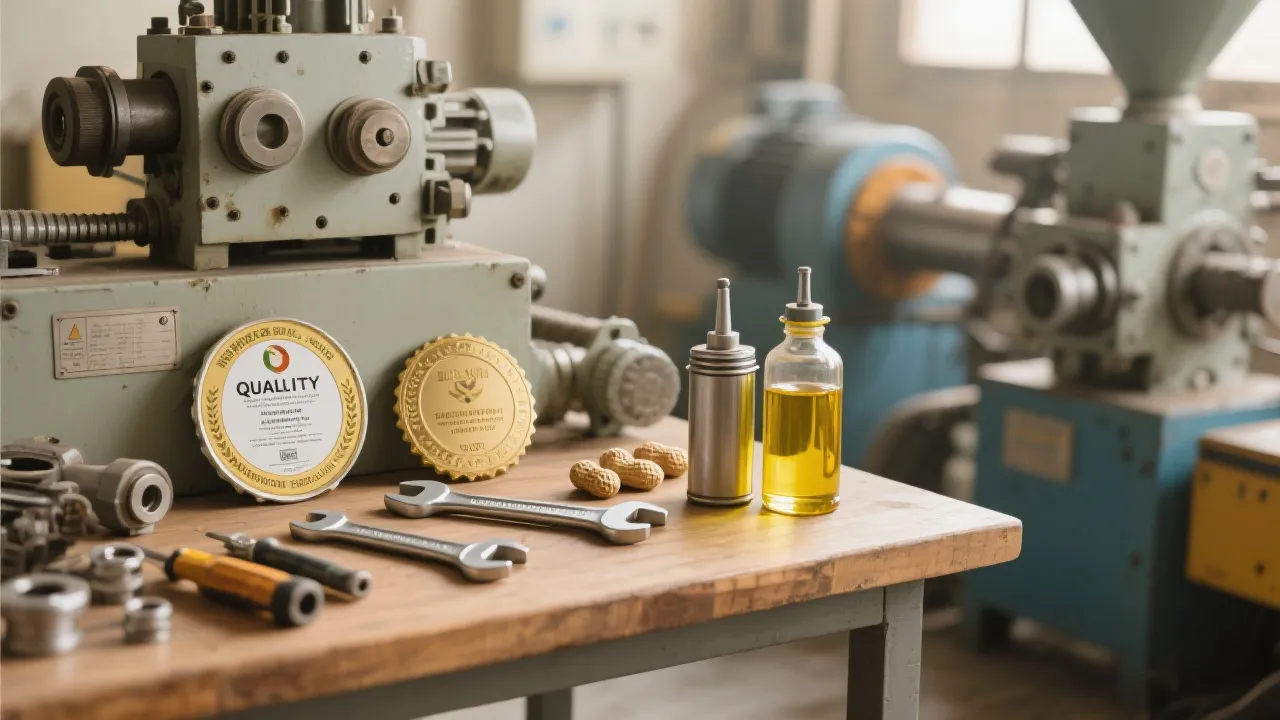
Comprehensive Analysis of Oil Press Technical Parameters: Yield, Capacity, and Durability Impact

QI ' E Group
2025-11-28
Technical knowledge
This article provides an in-depth analysis of the core technical parameters of high-efficiency, energy-saving peanut oil presses — focusing on oil yield, hourly processing capacity, and structural durability. It explores how these factors influence production efficiency and long-term investment returns. Designed for agricultural cooperatives and small-to-medium oil mills, the guide combines real-world case studies and maintenance tips to support informed decision-making, reduce operational risks, and promote green intelligent upgrades. Learn how selecting precise parameters can maximize your equipment value.
https://shmuker.oss-accelerate.aliyuncs.com/data/oss/20250710/9bf1b4ad1e1886fe5b4bcd269b25dda3/bfd6589e-de8a-4249-98a7-b06a466357c2.jpeg

Understanding Key Technical Parameters of Peanut Oil Press Machines: Maximizing Efficiency and Longevity

When selecting a peanut oil press machine, understanding its core technical parameters is critical for optimizing both production efficiency and long-term investment returns. This guide deep dives into three pivotal factors — oil yield, processing capacity, and structural durability — providing agricultural cooperatives and small to medium-scale oil producers with practical insights for informed decision-making.

1. Oil Yield Stability: The Science Behind Higher Extraction Rates

Oil yield, typically ranging between 98% to 100% for high-efficiency presses, directly impacts profitability. Maintaining stable yield depends on precise control of process variables:

  • Temperature control: Accurate thermostatic regulation (±1°C) ensures the oil in peanuts is optimally fluid for extraction without thermal degradation.
  • Pressing pressure distribution: Uniform pressure application eliminates bottlenecks, increasing throughput consistency and minimizing residual oil in cake.

Innovations such as microprocessor-regulated control panels allow real-time monitoring and adjustments, reducing oil yield fluctuations caused by raw material inconsistencies or environmental factors. For instance, a cooperative in northern China reported a 15% yield increase after upgrading to a temperature-precision press.

2. Hourly Processing Capacity: Engineering for Throughput and Energy Efficiency

Processing capacity, measured in kilograms per hour (kg/h), is engineered through:

  • Motor power matching: Selecting motors with correct horsepower ensures sufficient torque without energy wastage; advanced models reduce consumption by up to 30% compared to traditional presses.
  • Material feed rate control: Automated speed variations maintain optimal flow, avoiding blockages or overloading that impair equipment lifespan.

For example, a modern peanut oil press rated at 200 kg/h with a 7.5 kW motor ensures continuous operation with energy consumption below 1.0 kWh/kg of raw material, representing significant operational cost savings.
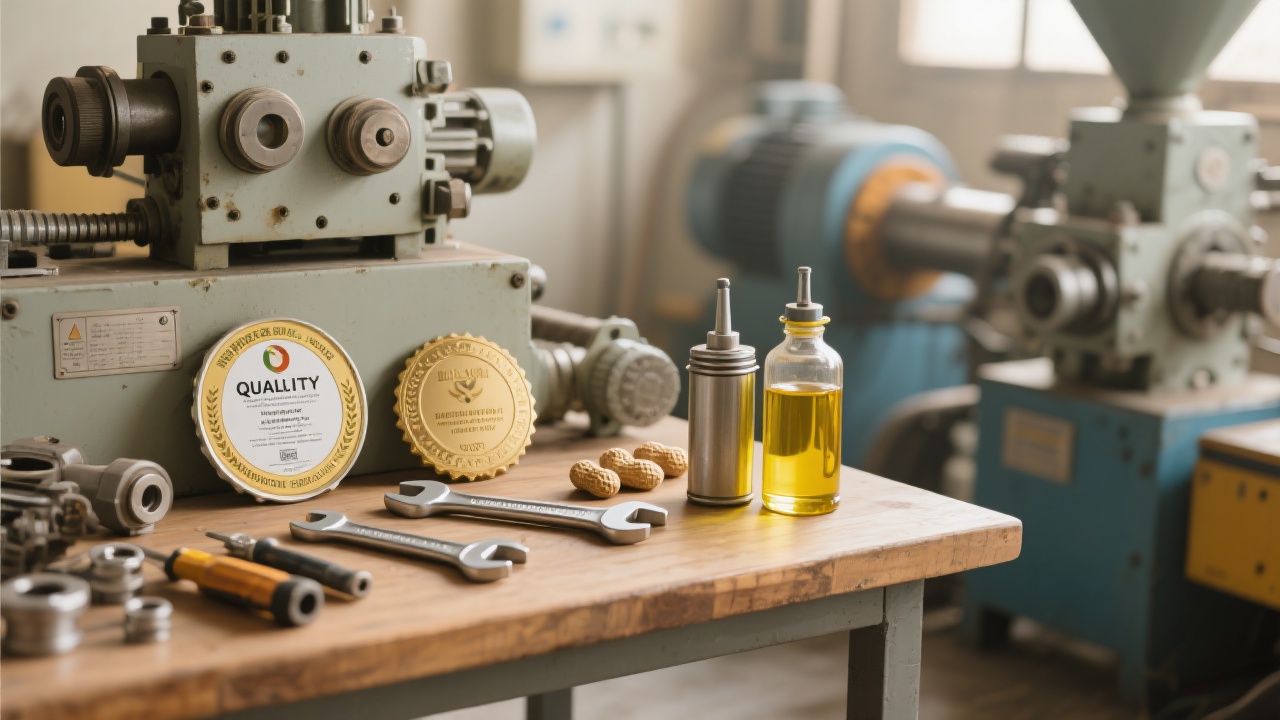
Diagram showing the even distribution of pressing pressure within a peanut oil press chamber

3. Structural Durability: Materials and Manufacturing Standards for Long-Term Reliability

Durable construction is the backbone of continuous production. Key aspects include:

  • High-strength alloy steel: Used for pressing screws and key load-bearing components, offering superior wear resistance.
  • Anti-corrosion coatings: Multilayer protective treatments safeguard against rust in high humidity or dusty environments, extending machine lifecycle by 20–30%.
  • Precision manufacturing: Tight machining tolerances avoid misalignment and mechanical stress, reducing maintenance frequency.

Additionally, modular components simplify replacement and upgrades, invaluable in varying climate zones — from hot and humid tropical settings to arid dusty regions.
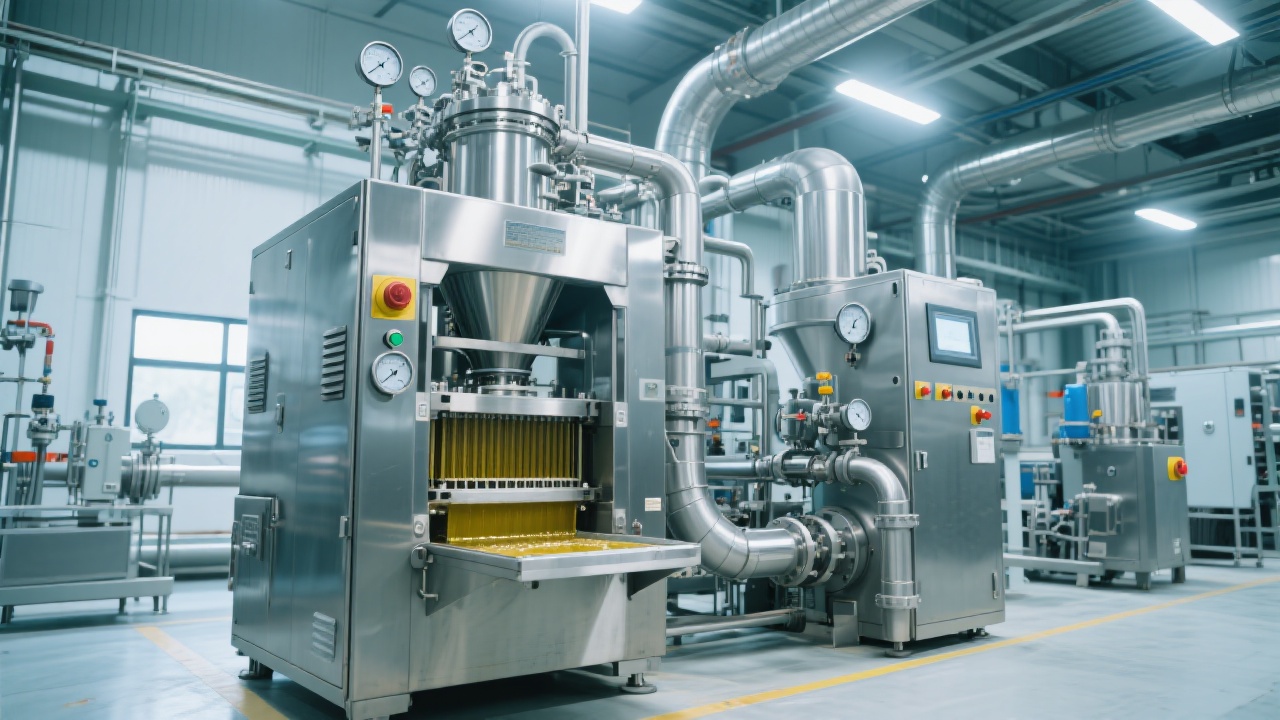
High strength alloy steel components in a peanut oil press machine illustrating corrosion protection and durability

4. Adapting to Environmental Challenges: Climate-Resilient Design Considerations

Environmental conditions significantly affect machine performance:

  • High humidity and temperature: Condensation can deteriorate electrical components; sealed control cabinets and moisture-resistant wiring are essential.
  • Dry and dusty conditions: Robust dust-proof seals and air filtration prevent particulate ingress that accelerates wear.

Deploying climate-tailored maintenance schedules maintains optimal machine function and protects your investment.
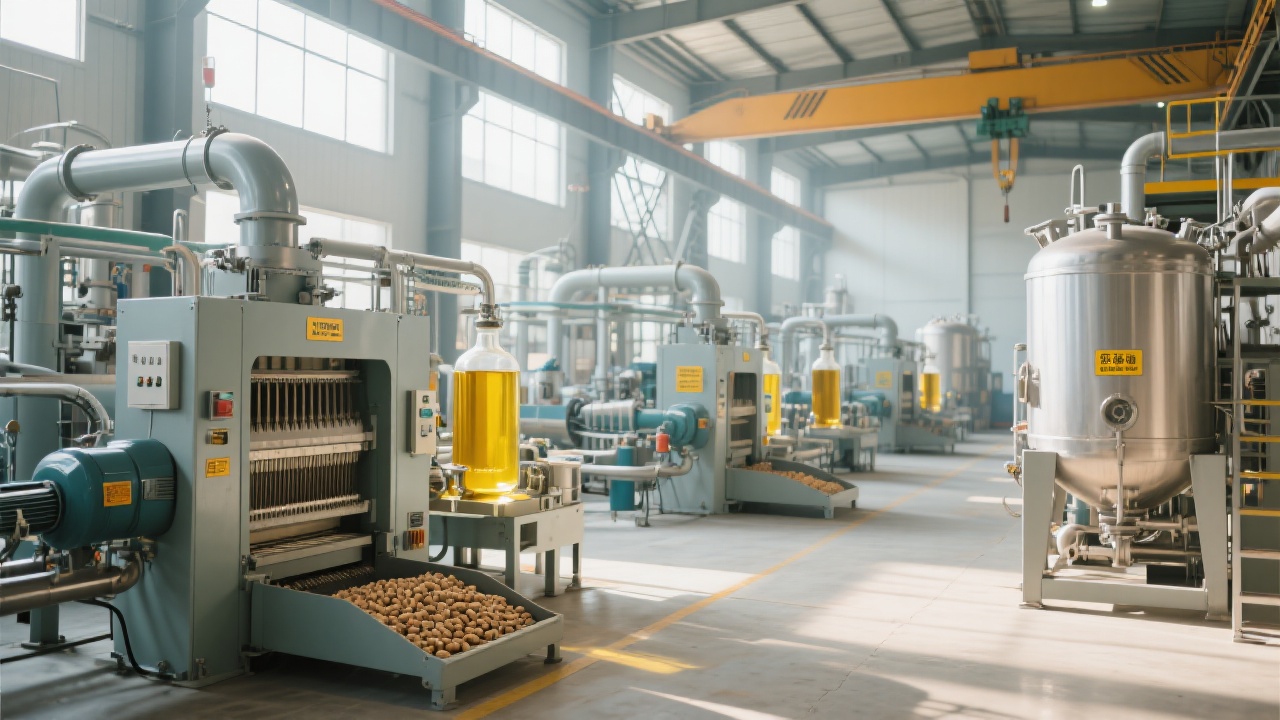
Peanut oil press machine operating in harsh dusty environment equipped with dust-proof seals

5. Essential Maintenance Practices: Ensuring Continuous Operation and Early Fault Detection

Routine upkeep minimizes downtime and protects yield quality:

  • Lubrication intervals: Follow manufacturer recommendations, typically every 100 operating hours, to preserve bearing and gear integrity.
  • Regular bearing inspections: Prevent premature failures by checking for noise, vibration, and wear signs.
  • Fault warning systems: Install sensors for temperature spikes and abnormal vibrations to trigger early alerts.

Incorporating digital maintenance logs supports predictive service planning and reduces unexpected repair costs.

Common Questions from Oil Press Operators

Q: Why does my peanut oil press show yield fluctuations during production?

A: Yield variability often stems from inconsistent raw material moisture content, unstable temperature control, or uneven pressing pressure. Accurate process monitoring and equipment with stable control algorithms can mitigate this.

Q: How often should I replace the pressing screws to maintain efficiency?

A: Pressing screws typically last 12-18 months under standard operating conditions. Visual inspection for wear and performance drops should guide replacement timing.

Q: Can these machines operate effectively in tropical climates?

A: Yes, machines with proper anti-corrosion coatings, sealed electronics, and climate-adaptive components perform reliably in hot, humid environments.

Data-Driven Advantages Over Traditional Models

Parameter Traditional Machines Modern High-Efficiency Machines
Oil Yield 90% - 95% 98% - 100%
Energy Consumption ~1.4 kWh/kg ~1.0 kWh/kg (30% reduction)
Maintenance Interval 6-9 months 12-18 months
Name *
Email *
Message*

Recommended Products

Contact us
Contact us
https://shmuker.oss-accelerate.aliyuncs.com/tmp/temporary/60ec5bd7f8d5a86c84ef79f2/60ec5bdcf8d5a86c84ef7a9a/thumb-prev.png