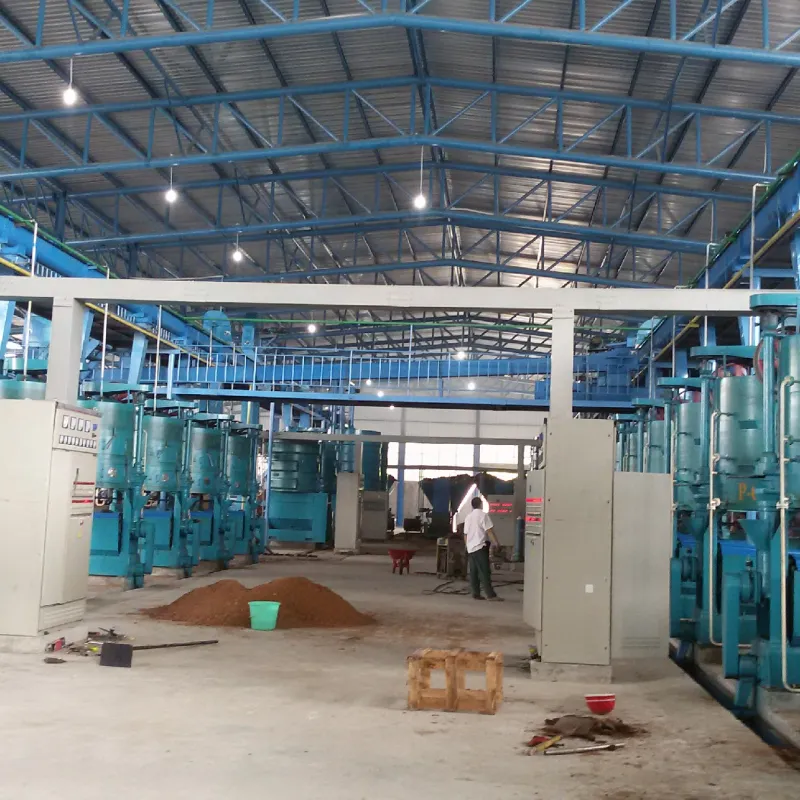
In an era where energy costs continue to rise and environmental regulations become increasingly stringent, peanut oil processors are seeking innovative ways to reduce operational expenses while improving sustainability. The solution lies in harnessing the power of heat recovery technology—a game-changing approach that transforms waste energy into a valuable resource.
Heat recovery systems work on a simple yet effective principle: capturing waste heat generated during various stages of peanut oil production and repurposing it for other process needs. In traditional榨油 operations, up to 35% of energy input is lost as waste heat, primarily through steam exhaust, hot process fluids, and equipment surfaces.
"After implementing QIE Group heat recovery system, we've reduced our natural gas consumption by 28% while maintaining the same production volume. The system paid for itself within 14 months."
— Zhang Wei, Plant Manager, Shandong Luhua Group
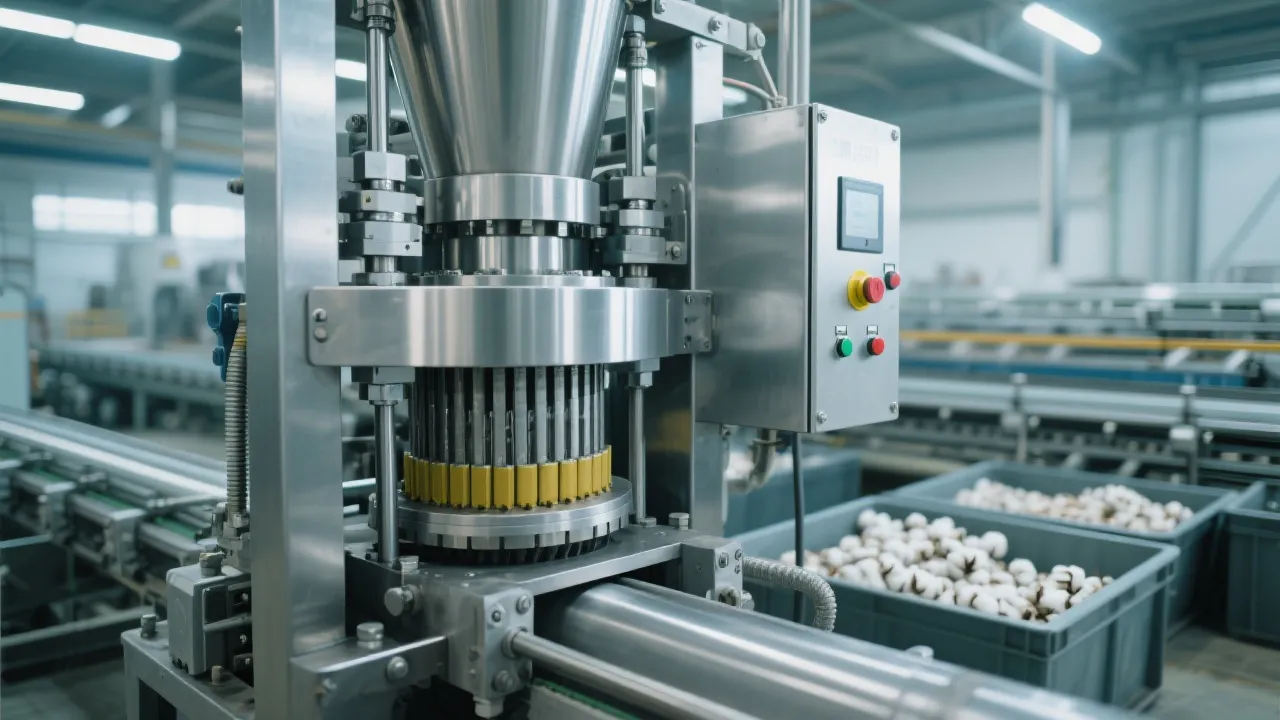
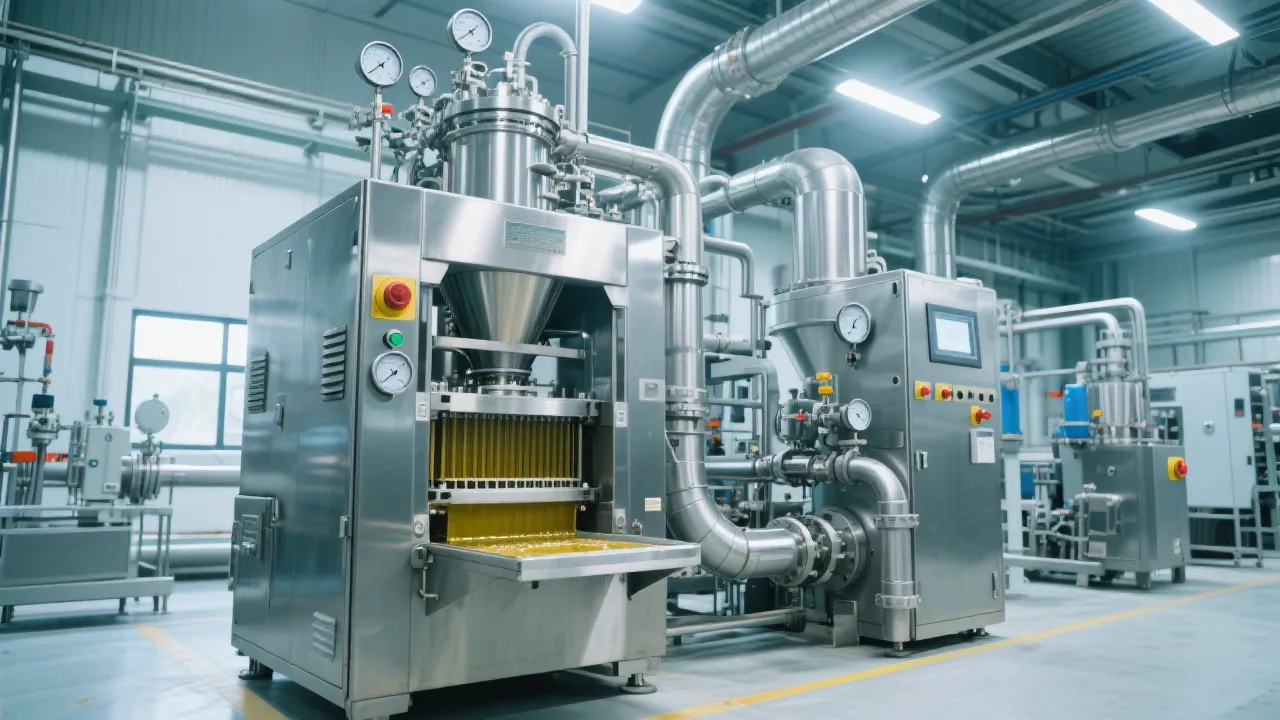
Modern heat recovery systems integrate seamlessly with continuous pressing equipment, capturing excess heat from:
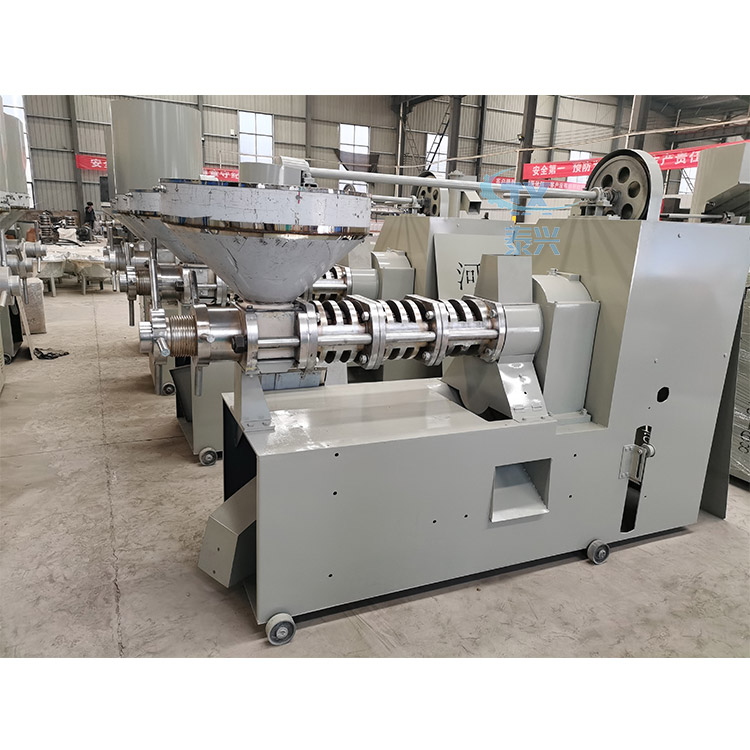
Independent testing conducted at the National Food Processing Research Institute compared energy consumption between traditional peanut oil processing lines and those equipped with advanced heat recovery systems. The results were striking:
| Processing Stage | Traditional Process (kWh/ton) | With Heat Recovery (kWh/ton) | Energy Savings (%) |
|---|---|---|---|
| Raw Material Preparation | 85 | 62 | 27% |
| Cooking & Conditioning | 210 | 135 | 36% |
| Pressing Operation | 145 | 102 | 29% |
| Oil Refining | 180 | 132 | 27% |
| Total Process | 620 | 431 | 30.5% |
These figures translate to substantial cost savings. For a medium-sized peanut oil processing plant with a capacity of 50 tons per day, implementing heat recovery technology can result in annual energy cost reductions of $85,000 to $120,000, depending on local energy prices.
Achieving maximum efficiency from heat recovery systems requires careful attention to several critical parameters. Our team of process engineers has identified the following factors as most influential:
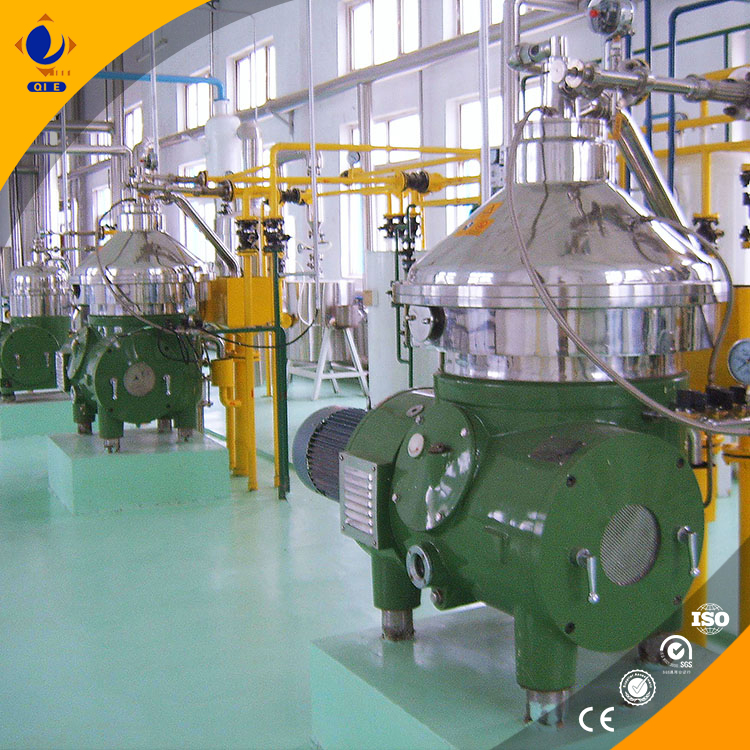
Maintaining peanut kernel moisture between 5.5-6.5% during pressing optimizes heat generation and transfer efficiency. Excessive moisture increases energy consumption by 12-15%.
Operating the continuous press at 18-22 MPa pressure creates optimal frictional heat while preventing oil degradation. Pressure fluctuations can reduce energy recovery by up to 8%.
Controlling cooking temperature between 115-125°C maximizes oil yield while optimizing heat recovery potential. Each 10°C deviation from this range reduces efficiency by 5-7%.
Regular cleaning of heat exchangers (every 2-3 weeks) maintains heat transfer efficiency. Fouled heat exchangers can reduce system performance by up to 23%.
We spoke with several process engineers who have successfully implemented heat recovery systems in peanut oil facilities. Their practical insights highlight key considerations for maximizing return on investment:
"The biggest mistake we see is companies focusing solely on equipment purchase price rather than total lifecycle costs," explains Michael Chen, Senior Process Engineer with over 15 years of experience in edible oil processing. "A properly designed heat recovery system may cost 15-20% more initially but will generate payback in 12-18 months rather than 3-4 years with cheaper alternatives."
Another critical factor is system integration. "Heat recovery shouldn't be an afterthought," notes Sarah Johnson, Energy Efficiency Consultant. "Ideally, it should be designed into the overall process flow from the beginning. Retrofitting can still deliver significant savings, but may require some process adjustments to optimize performance."
For existing facilities considering retrofitting, experts recommend starting with an energy audit to identify the highest-value heat recovery opportunities. Typically, the cooking and conditioning stages offer the best return, followed by the refining process.
Download our comprehensive guide "The Complete Handbook to Heat Recovery in Edible Oil Processing" and discover how to:
As energy costs continue their upward trajectory and environmental regulations become more stringent, heat recovery technology is no longer an option but a necessity for competitive peanut oil processors. The data clearly demonstrates that implementing these systems delivers substantial operational cost reductions while simultaneously reducing environmental impact.
For companies looking to future-proof their operations, the question isn't whether to invest in heat recovery, but how soon they can implement these systems to start realizing the benefits. With typical payback periods of 14-20 months and ongoing savings for the lifetime of the equipment, the decision to upgrade becomes a matter of economic survival in an increasingly competitive marketplace.
 96
|
96
|
 peanut oil press machine control system
ISO9001 compliant automation
smart oil extraction technology
real-time monitoring for food processing
remote maintenance in industrial systems
58
|
peanut oil production line
intelligent control system
equipment selection
grain and oil processing equipment
production line installation
205
|
peanut oil expeller smart control
remote fault diagnosis
high humidity equipment maintenance
predictive maintenance for oil presses
automated oil extraction systems
228
|
peanut oil press machine
energy-efficient oil press
oil press technical specifications
smart peanut oil equipment
oil mill equipment selection
247
|
peanut oil press selection
energy-saving oil press maintenance
high-efficiency oil press tips
oil press troubleshooting
intelligent oil press care
peanut oil press machine control system
ISO9001 compliant automation
smart oil extraction technology
real-time monitoring for food processing
remote maintenance in industrial systems
58
|
peanut oil production line
intelligent control system
equipment selection
grain and oil processing equipment
production line installation
205
|
peanut oil expeller smart control
remote fault diagnosis
high humidity equipment maintenance
predictive maintenance for oil presses
automated oil extraction systems
228
|
peanut oil press machine
energy-efficient oil press
oil press technical specifications
smart peanut oil equipment
oil mill equipment selection
247
|
peanut oil press selection
energy-saving oil press maintenance
high-efficiency oil press tips
oil press troubleshooting
intelligent oil press care







.jpg?x-oss-process=image/resize,m_fill,h_800,w_800/format,webp)