
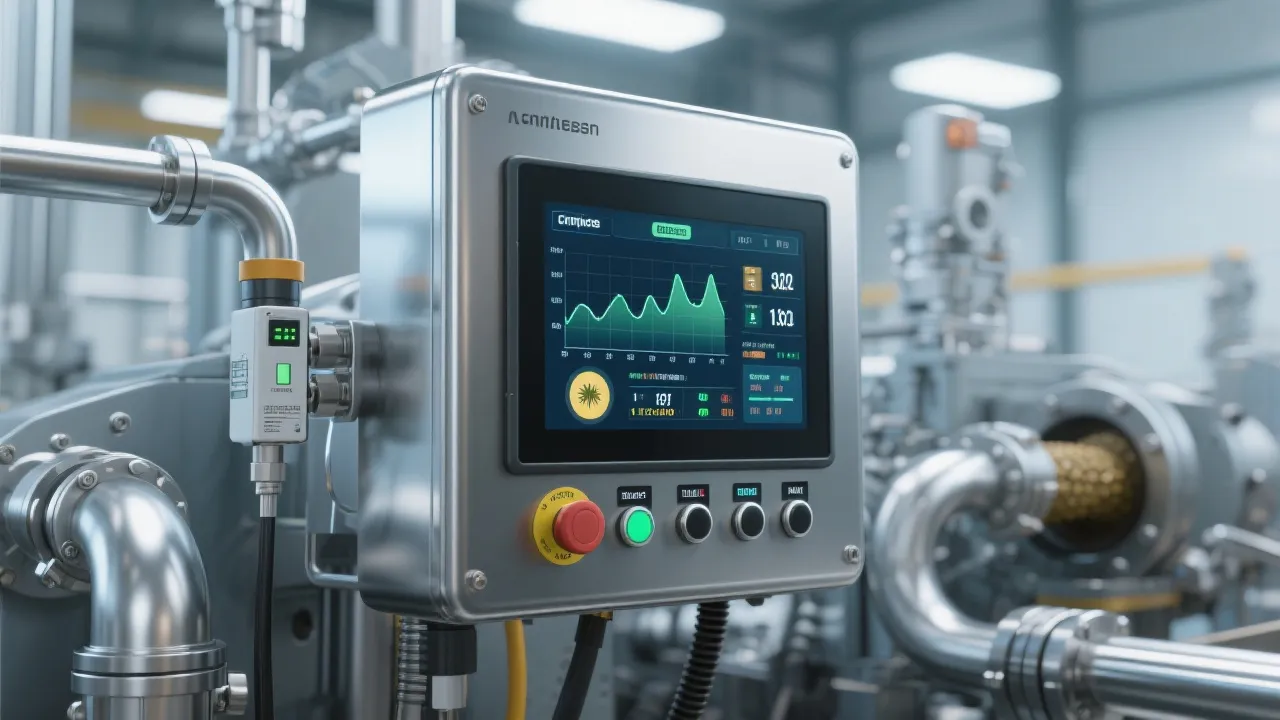
As a small to medium-sized oil mill operator, you've likely faced the same challenges I've seen countless clients struggle with over the years: skyrocketing energy bills eating into profits, frequent breakdowns disrupting production schedules, and equipment that just can't keep up with varying feedstock qualities. The good news? A strategic peanut oil press upgrade isn't just about replacing old machinery—it's about fundamentally transforming your operation's efficiency, reliability, and bottom line.
Industry Insight:
According to recent studies by the International Association of Edible Oil Manufacturers, energy costs typically account for 22-28% of total operational expenses in medium-scale oil processing facilities. This represents your single largest opportunity for cost reduction.
Traditional mechanical transmission presses operate at a significant disadvantage in today's competitive market. These systems were designed for consistency in ideal conditions, not the realities of small-scale operations where feedstock quality varies, maintenance budgets are tight, and energy costs fluctuate wildly.
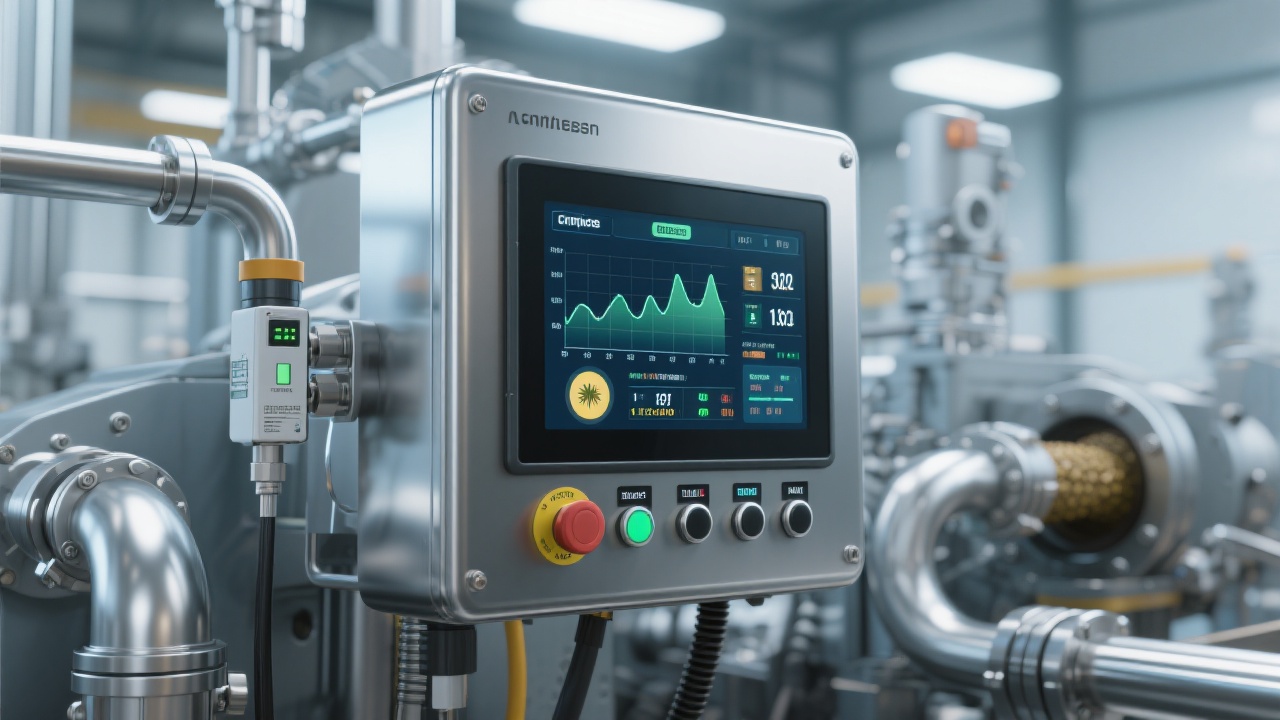
The 企鹅集团 (Penguin Group) intelligent hydraulic press system represents a paradigm shift in oil extraction technology. By replacing mechanical gears and cams with precision hydraulic controls and real-time feedback mechanisms, these systems deliver consistent performance while dramatically reducing energy consumption.
| Performance Metric | Traditional Mechanical Press | Penguin Smart Hydraulic Press | Improvement |
|---|---|---|---|
| Energy Efficiency | 60-65% | 88-92% | +35% average |
| Oil Extraction Rate | 92-94% | 98-100% | +5-6% yield |
| Maintenance Requirement | High (monthly major service) | Low (quarterly inspections) | -65% maintenance time |
| Average MTBF* | 450 hours | 1,800 hours | +300% reliability |
*Mean Time Between Failures
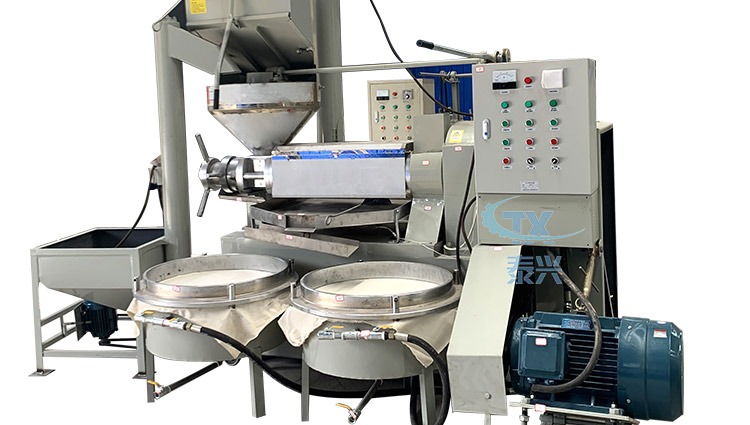
Achieving that remarkable 30%+ energy reduction isn't about one single innovation—it's the combination of several integrated technologies working in harmony. Here's exactly how the transformation happens in your facility:
The heart of the system replaces mechanical force with precisely controlled hydraulic pressure. Our smart sensors continuously monitor peanut density, moisture content, and oil flow, adjusting pressure in real-time to maintain optimal extraction conditions. This eliminates the energy waste of over-pressing while ensuring maximum yield.
Up to 15% of the energy consumed in traditional presses is lost as heat. Our integrated heat exchanger captures this otherwise wasted energy and redirects it to pre-heat incoming peanuts, reducing the energy required for the initial heating process. In tropical climates like Southeast Asia, this alone can account for 8-10% of total energy savings.
Traditional presses use fixed-speed motors that operate at full power regardless of load. Our variable frequency drives adjust motor speed to match actual demand, reducing energy consumption by up to 22% during startup and low-demand periods. The motors themselves are premium efficiency models meeting IE3 standards, consuming 15% less energy than standard motors.
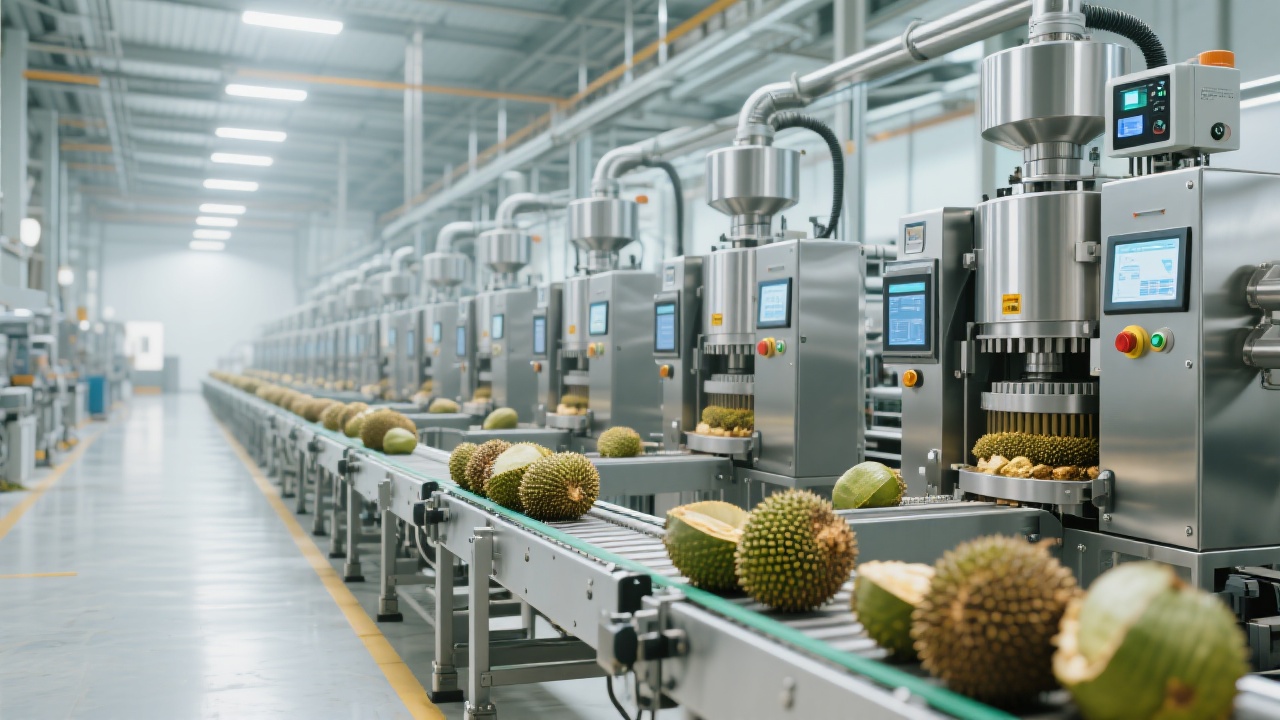
Based on our experience installing over 500 systems across Africa and Southeast Asia, we've identified the critical missteps that can derail your upgrade project. Avoid these common mistakes:
The numbers speak for themselves: with average energy savings of 32% and oil yield improvements of 5-6%, most clients achieve full ROI within 8-14 months. For a typical 2000-ton capacity operation, this represents annual savings of $25,000-$45,000 USD.
Get Your Custom Peanut Oil Press Energy Audit & Upgrade PlanOur team of engineers will analyze your current operation and provide a detailed proposal with projected savings, implementation timeline, and financing options tailored to your market.
Every oil mill faces unique challenges based on location, peanut varieties, and operational constraints. That's why we don't offer one-size-fits-all solutions. Whether you're operating in Nigeria's groundnut belt, Vietnam's Mekong Delta, or Tanzania's agricultural heartland, our systems are designed to adapt to your specific conditions while delivering those game-changing efficiency improvements.
The decision to upgrade isn't just about reducing costs—it's about future-proofing your business. With stricter environmental regulations coming into effect across Africa and Southeast Asia, energy-efficient operations will have a significant competitive advantage in accessing premium markets and meeting import requirements.
 492
|
492
|
 oil pressing energy saving
heat recovery system
energy efficient oil mill
oil refining energy reduction
sustainable oil processing
484
|
peanut oil press machine selection
energy-saving oil press maintenance
oil press machine technical parameters
intelligent peanut oil press recommendation
small and medium oil plant equipment
75
|
peanut oil refining technology
energy-efficient edible oil equipment
green oil processing machinery
automated peanut oil production line
smart grain processing systems
345
|
Peanut oil press selection
Energy - saving press maintenance
Press technical parameters
High - efficiency peanut oil equipment
Intelligent oil - making equipment
478
|
large-scale oil press equipment selection
edible oil production line solution
oil press model matching guide
vegetable oil processing equipment
automatic oil press advantages
oil pressing energy saving
heat recovery system
energy efficient oil mill
oil refining energy reduction
sustainable oil processing
484
|
peanut oil press machine selection
energy-saving oil press maintenance
oil press machine technical parameters
intelligent peanut oil press recommendation
small and medium oil plant equipment
75
|
peanut oil refining technology
energy-efficient edible oil equipment
green oil processing machinery
automated peanut oil production line
smart grain processing systems
345
|
Peanut oil press selection
Energy - saving press maintenance
Press technical parameters
High - efficiency peanut oil equipment
Intelligent oil - making equipment
478
|
large-scale oil press equipment selection
edible oil production line solution
oil press model matching guide
vegetable oil processing equipment
automatic oil press advantages








.jpg?x-oss-process=image/resize,m_fill,h_800,w_800/format,webp)


