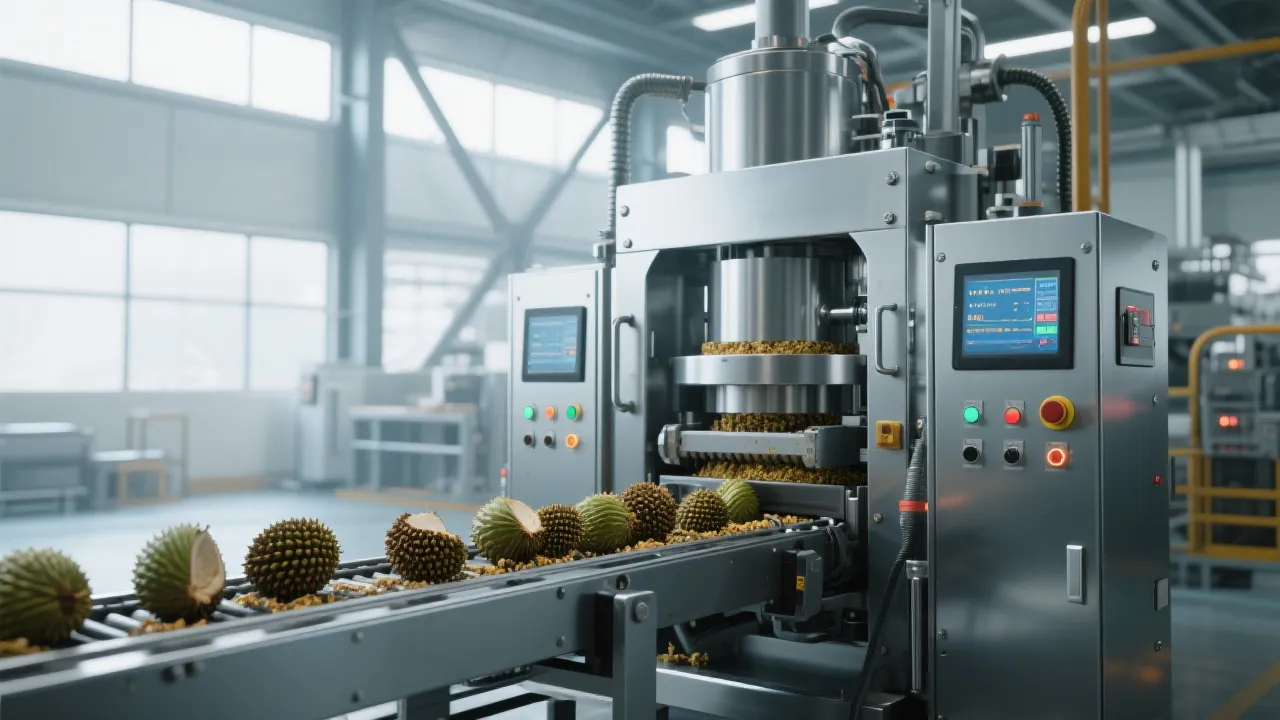
In an era where operational efficiency directly impacts profitability, peanut oil processors worldwide are seeking ways to optimize their production while minimizing energy consumption. Traditional peanut oil press machines often struggle with high energy usage, frequent maintenance issues, and limited adaptability to varying raw material conditions. This comprehensive guide explores how energy-saving改造技术 can transform your oil processing operations, delivering measurable improvements in both productivity and sustainability.
Many small to medium-sized oil mills and agricultural cooperatives continue operating with outdated press technology, unaware of the significant hidden costs. Industry studies show that conventional hydraulic presses typically consume 15-22 kWh per ton of processed peanuts, with up to 30% of that energy lost as waste heat. Maintenance downtime averages 8-12 hours per month, and adaptability issues result in inconsistent oil yield—fluctuating between 38-42% depending on peanut quality.
"Our cooperative was struggling with rising electricity bills and inconsistent production before upgrading our press equipment," notes Maria Santos, Operations Manager at Central Luzon Agricultural Cooperative. "The monthly savings alone justified the investment within 14 months."
Modern 液压驱动技术 represents a significant leap forward from traditional mechanical systems. By precisely controlling pressure application and cycle timing, these systems reduce energy consumption by 25-35% while increasing throughput by 15-20%. The key innovation lies in adaptive pressure profiling—adjusting force based on real-time nut characteristics rather than applying constant maximum pressure.
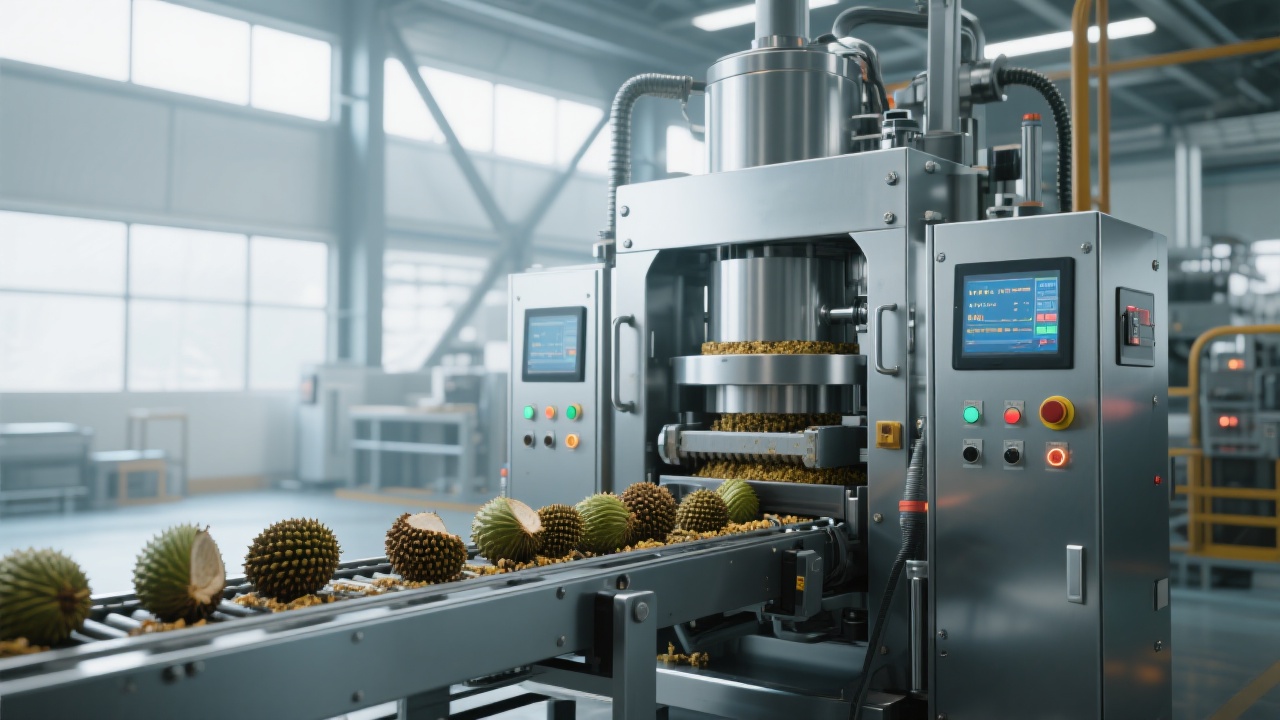
Waste heat recovery systems capture thermal energy from pressing operations and repurpose it for pre-heating raw materials, reducing overall energy需求 by an additional 12-18%. When combined with properly sized, high-efficiency motors matched to specific production demands, facilities typically see total energy savings of 30-42%—translating to $8,000-$15,000 annually for a mid-sized operation processing 500-800 tons monthly.
| Metric | Traditional Press | Upgraded System | Improvement |
|---|---|---|---|
| Energy Consumption (kWh/ton) | 18.5 | 11.2 | +39.5% |
| Oil Yield (%) | 40.2 | 44.5 | +10.7% |
| Maintenance Downtime (hours/month) | 10.5 | 3.2 | +69.5% |
Successful 传统设备升级 requires careful planning beyond simply installing new components. During installation, proper alignment of hydraulic components is critical—misalignment by just 0.5mm can increase energy consumption by 8-12%. Calibration of pressure sensors must account for local altitude and humidity conditions to ensure accurate readings.
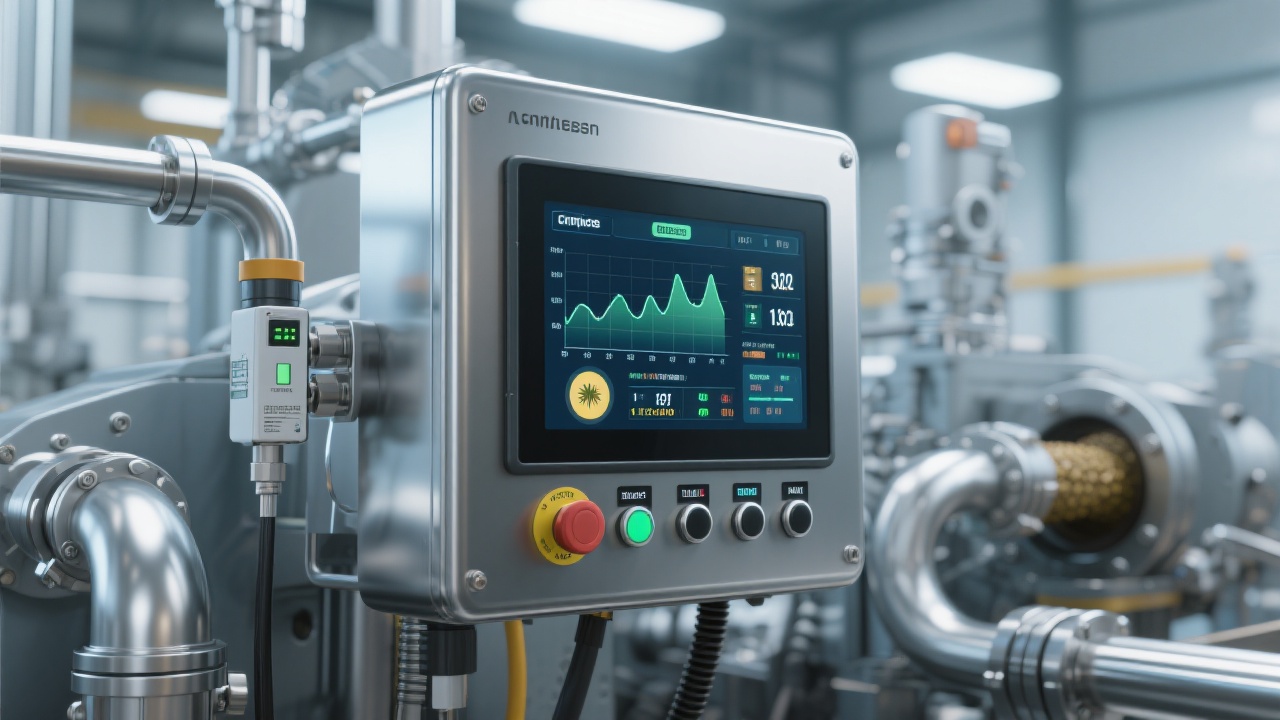
Many facilities make the mistake of upgrading only the press itself while neglecting supporting systems. For example, insufficient electrical supply capacity can negate efficiency gains, while inadequate raw material preparation equipment limits yield improvements. Our experience shows that a holistic approach—addressing the entire production line—delivers 35% better ROI than isolated press upgrades.
Key implementation phases should include: 1) Comprehensive energy audit, 2) Phased component replacement, 3) Operator training program, 4) Performance monitoring setup, and 5) Fine-tuning based on initial production data.
Guangdong Peanut Cooperative upgraded three production lines with 智能控制系统 and hydraulic retrofits last year. Within six months, they documented: 32% reduction in energy costs, 18% increase in daily output, 45% decrease in maintenance expenses, and oil yield improvement from 41% to 45.3%. The cooperative estimates full ROI within 16 months, with projected 10-year savings exceeding $320,000.
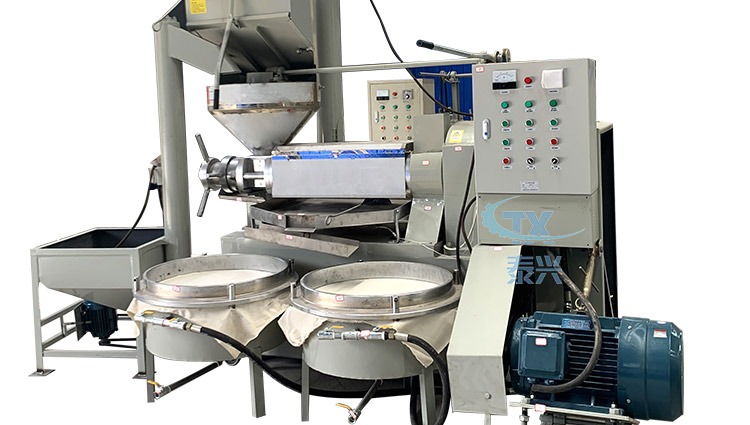
Discover how 企鹅集团's energy-saving peanut oil press solutions can reduce your operational costs while increasing production capacity. Our team of specialists will conduct a free energy assessment and provide a customized改造方案 tailored to your specific needs.
Request Your Free Energy Assessment NowThe transition to energy-efficient oil processing is no longer an option but a necessity for competitive operations. With the right technology partner, the process can be smooth, cost-effective, and deliver rapid returns on investment. By addressing both energy consumption and production optimization simultaneously, forward-thinking processors are securing their market position while contributing to global sustainability goals.
 101
|
101
|
 large oil mill automation
PLC control system
sensor selection
data acquisition logic
automation system deployment
299
|
energy-saving oil press machine
peanut oil press maintenance
oil press troubleshooting
small to medium oil plant equipment
oil press technical specifications
35
|
cold press peanut oil technology
hot press peanut oil process
energy-efficient oil refining equipment
peanut oil production line selection
smart粮油 machinery
124
|
Peanut oil press selection
Energy - saving press maintenance
Press technical parameters
Peanut oil press maintenance guide
Low - energy oil extraction equipment
280
|
peanut oil refining equipment
cold pressing vs hot pressing
intelligent control systems energy saving
oil mill equipment selection strategy
grain and oil machinery solutions
large oil mill automation
PLC control system
sensor selection
data acquisition logic
automation system deployment
299
|
energy-saving oil press machine
peanut oil press maintenance
oil press troubleshooting
small to medium oil plant equipment
oil press technical specifications
35
|
cold press peanut oil technology
hot press peanut oil process
energy-efficient oil refining equipment
peanut oil production line selection
smart粮油 machinery
124
|
Peanut oil press selection
Energy - saving press maintenance
Press technical parameters
Peanut oil press maintenance guide
Low - energy oil extraction equipment
280
|
peanut oil refining equipment
cold pressing vs hot pressing
intelligent control systems energy saving
oil mill equipment selection strategy
grain and oil machinery solutions