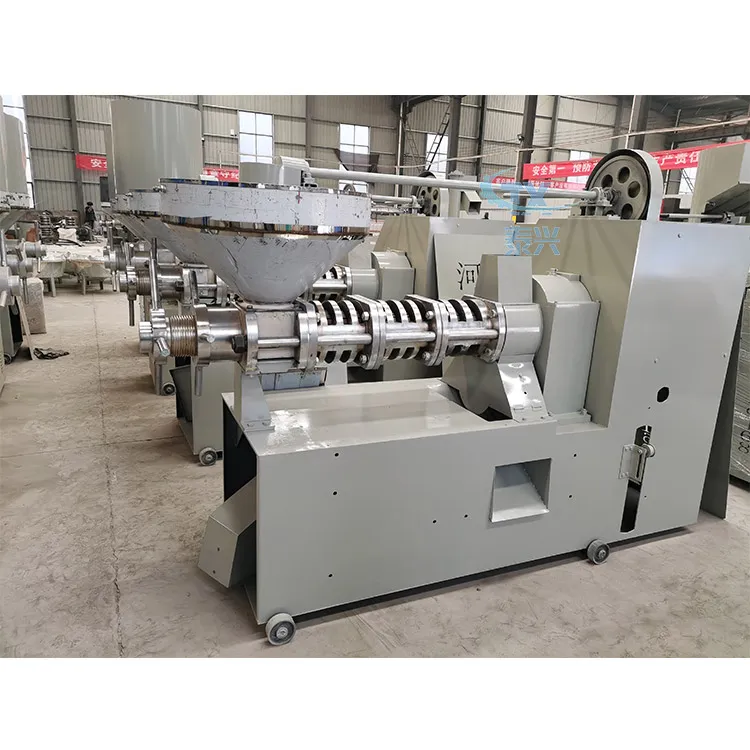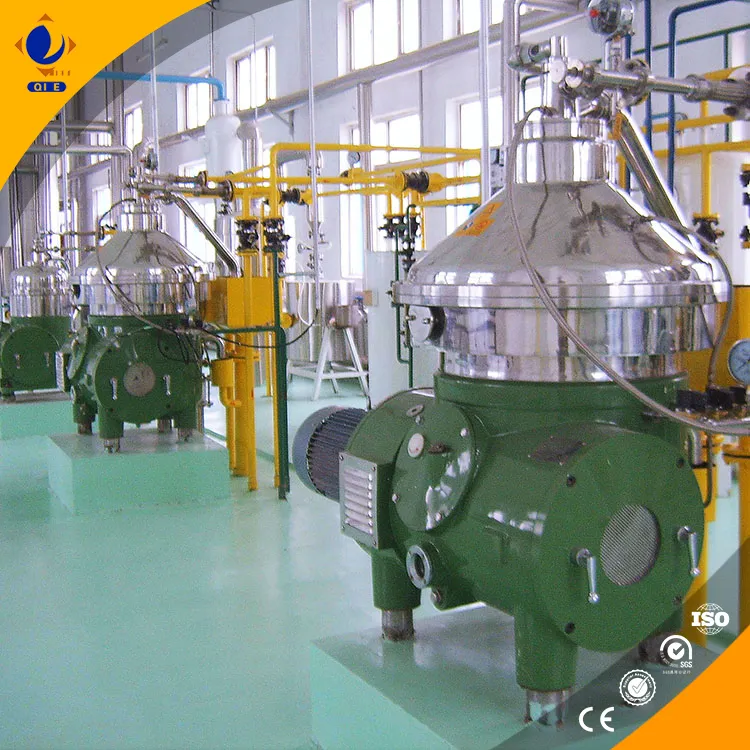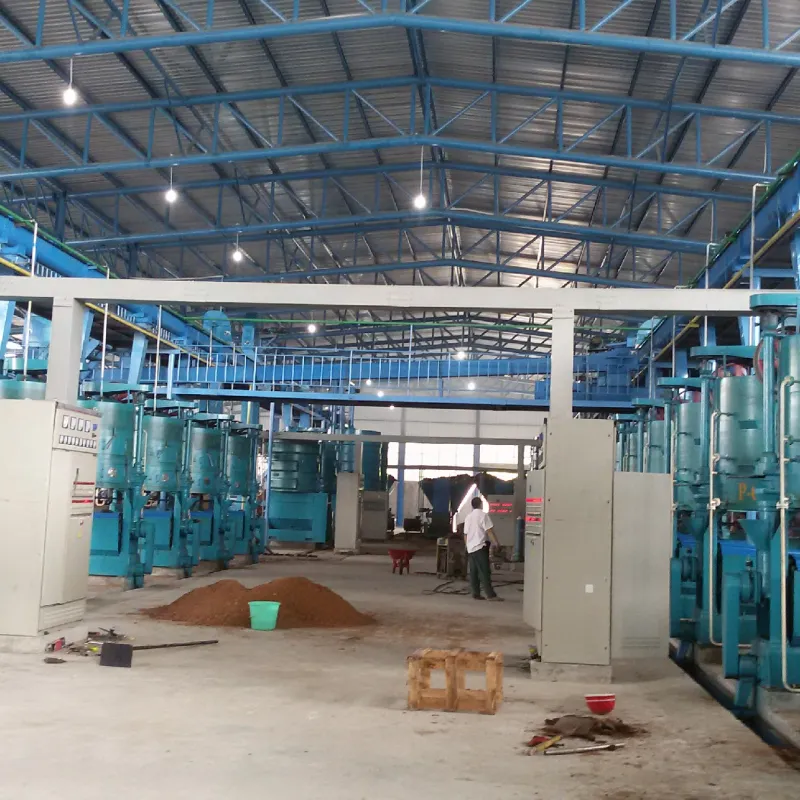
As a small or medium-sized oil mill operator, you've likely noticed the growing pressure on your bottom line from rising energy costs and increasing environmental regulations. The traditional peanut oil press machines that have served your business for years may now be holding you back—consuming excessive electricity, requiring frequent maintenance, and struggling to adapt to varying production demands. But what if there was a way to reduce energy consumption by over 30% while maintaining or even improving oil yield? This guide will walk you through the proven strategies for upgrading your peanut oil press equipment, helping you achieve significant cost savings and operational improvements.
Many oil mill owners underestimate the true cost of operating outdated equipment. Let's examine the three most critical issues:
These issues compound over time, creating a significant drain on your profitability and preventing your business from competing effectively in today's market.

The key to achieving dramatic energy savings lies in upgrading to a hydraulic drive system combined with intelligent feedback controls. This technology offers three transformative advantages:
Hydraulic systems deliver exact pressure adjustment (ranging from 0-30 MPa) based on real-time nut characteristics, reducing energy waste by applying only the necessary force.
Intelligent controls automatically adjust pressing speed based on input material properties, maintaining optimal efficiency across varying peanut qualities.
Modern systems capture and reuse energy from deceleration and pressure release phases, further improving overall efficiency by 15-20%.
"After upgrading our three traditional presses with Penguin Group's hydraulic intelligent system, we reduced our monthly electricity bill by $1,200 while increasing daily output by 8%. The investment paid for itself in just 11 months."
— Zhang Wei, Production Manager, Huanghe Agricultural Cooperative
Independent testing conducted across 12 peanut oil processing facilities demonstrates the remarkable improvements possible with proper equipment upgrades:
| Performance Metric | Traditional Press | Upgraded System | Improvement |
|---|---|---|---|
| Energy Consumption (kWh/ton) | 85-95 | 55-65 | +30-35% |
| Oil Yield Rate | 92-95% | 98-100% | +5-8% |
| Maintenance Hours/Month | 18-22 | 6-8 | -65-70% |
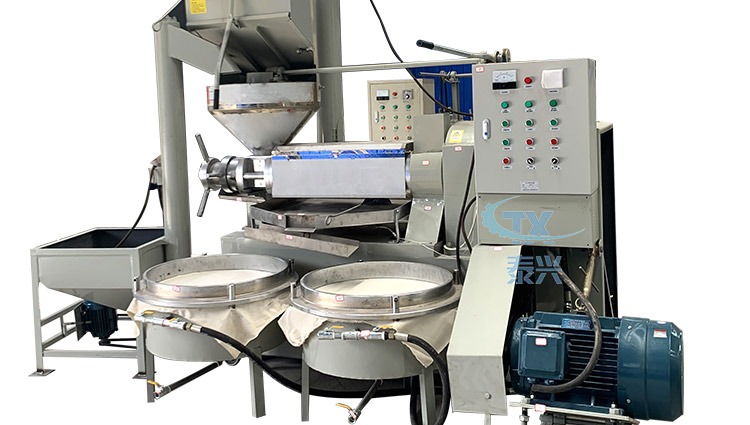
Successfully upgrading your peanut oil press system requires careful planning and execution. Follow this proven implementation path:
Based on hundreds of successful installations, we've identified the most common mistakes that can derail your upgrade project:
Ensure your electrical system can handle the new equipment's requirements. 30% of failed installations result from inadequate power supply planning.
Default settings rarely match specific peanut varieties. Proper calibration can improve efficiency by an additional 5-8%.
Even the best equipment underperforms without proper operator knowledge. Allocate time for comprehensive training.
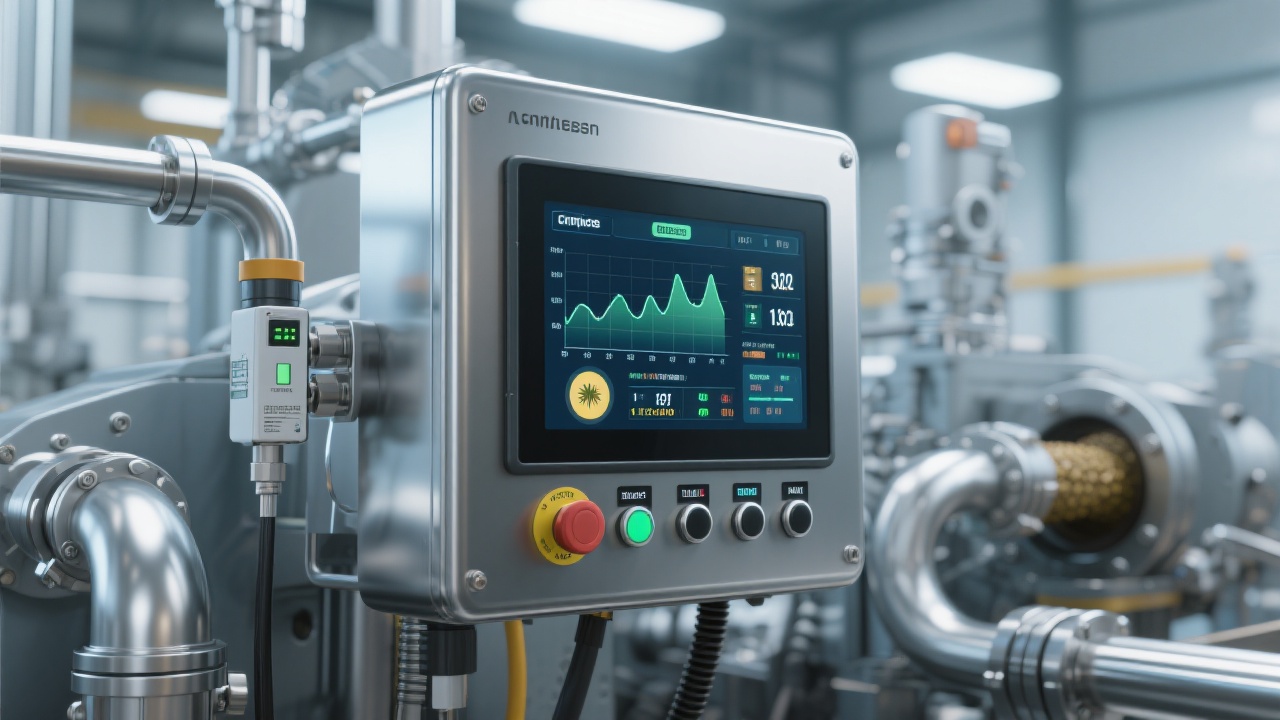
The specific ROI timeline for your upgrade depends on several factors, including your current energy costs, production volume, and the condition of your existing equipment. However, most operations see payback within 9-14 months, with ongoing annual savings of $8,000-$15,000 for a typical medium-sized facility.
To maximize your investment:
Discover how Penguin Group's energy-efficient peanut oil press solutions can reduce your operating costs while increasing output.
Get Your Custom Energy Savings AssessmentRemember, in today's competitive market, energy efficiency isn't just an environmental consideration—it's a critical business advantage. By upgrading your peanut oil press equipment, you're not just reducing costs; you're positioning your operation for long-term success in an industry facing increasing cost pressures and regulatory requirements. The technology exists to transform your production process—now is the time to take action.
 102
|
102
|
 large oil mill automation
automation system deployment
PLC control configuration
sensor selection for oil mills
452
|
Peanut oil press selection
Energy-saving press maintenance
Press technical parameters
Peanut oil equipment selection
Intelligent energy-saving oil press
276
|
energy-saving peanut oil refining equipment
cold press vs hot press peanut oil
peanut oil production line selection
intelligent oil processing machinery
eco-friendly oil refining equipment
332
|
peanut oil press energy saving
small oil mill equipment upgrade
energy-efficient oil press
oil mill energy reduction 30%
intelligent press control
416
|
Energy - saving peanut oil refining equipment
Cold - pressing vs hot - pressing technology comparison
Grain and oil machinery export standards
Intelligent control production line
Environmental compliance certification
large oil mill automation
automation system deployment
PLC control configuration
sensor selection for oil mills
452
|
Peanut oil press selection
Energy-saving press maintenance
Press technical parameters
Peanut oil equipment selection
Intelligent energy-saving oil press
276
|
energy-saving peanut oil refining equipment
cold press vs hot press peanut oil
peanut oil production line selection
intelligent oil processing machinery
eco-friendly oil refining equipment
332
|
peanut oil press energy saving
small oil mill equipment upgrade
energy-efficient oil press
oil mill energy reduction 30%
intelligent press control
416
|
Energy - saving peanut oil refining equipment
Cold - pressing vs hot - pressing technology comparison
Grain and oil machinery export standards
Intelligent control production line
Environmental compliance certification