
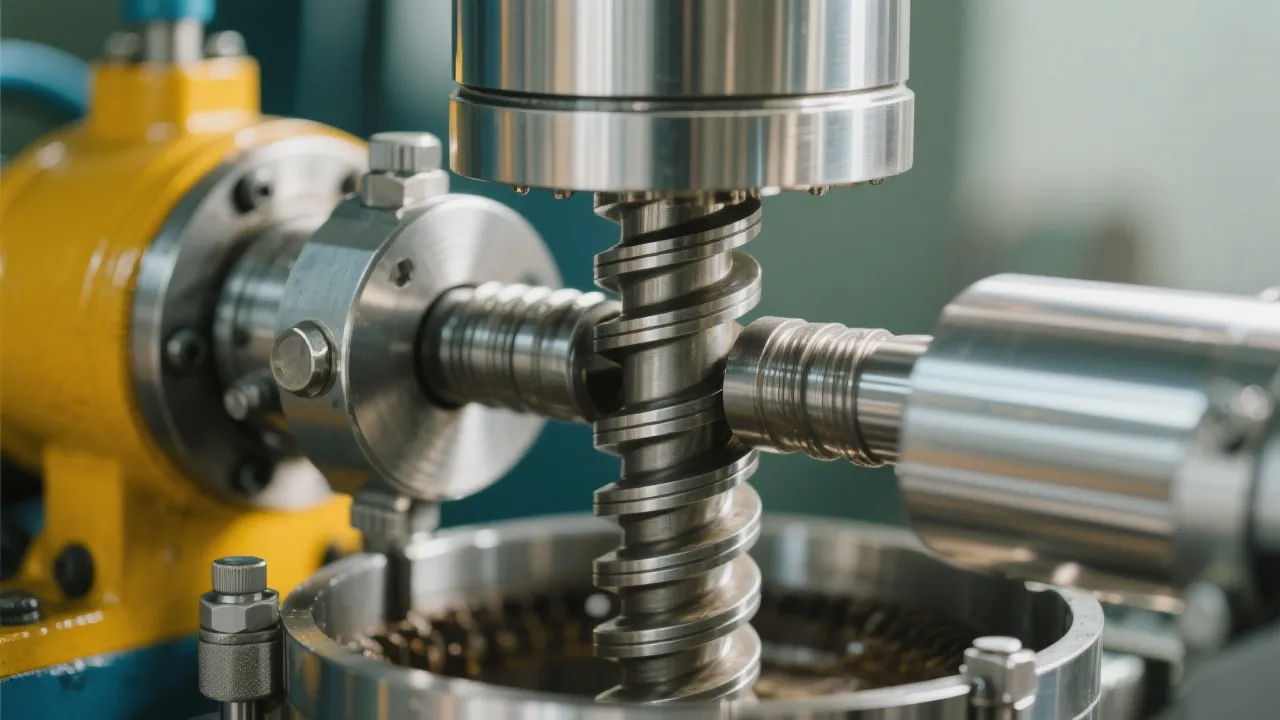
Are you still running your peanut oil press with outdated controls? If so, you’re likely paying more in electricity than necessary — and missing out on consistent, high-quality oil production.
“We switched to a smart-controlled press last year — our monthly electricity bill dropped from $1,800 to $1,260. That’s not just savings — it’s a new level of operational control.”
— Maria K., Operations Manager, Ghana Cooperative Oil Mill
Most traditional oil presses operate at fixed speeds regardless of feed rate or temperature — leading to wasted energy when the system is underloaded or overheating. According to field tests conducted across 12 facilities in Nigeria, Indonesia, and Vietnam, this inefficiency results in an average of 28–32% higher power consumption compared to modern smart systems.
| Feature | Old System (Fixed Speed) | Smart-Controlled System |
|---|---|---|
| Avg. Power Consumption | 15 kW per hour | 10.5 kW per hour |
| Oil Yield (avg.) | 42% | 46% |
| Maintenance Frequency | Every 3 months | Every 6 months |
Modern smart controllers use real-time feedback loops to adjust motor speed based on actual load — no more spinning idle. When the hopper is low, the system slows down automatically. When pressure builds up, it ramps up precisely. This dynamic adjustment alone cuts energy waste by 25–30%.
Plus, advanced models integrate heat recovery from the pressing chamber into a closed-loop system that preheats incoming raw material — reducing thermal shock and improving oil extraction efficiency. Field data shows this increases yield by 3–5 percentage points while lowering cooling needs.
To keep your machine running at peak performance:
You may be wondering: Is this really worth the investment? For a mid-sized mill processing 5 tons/day, the payback period is typically 6–9 months through reduced electricity and improved throughput — even without factoring in compliance benefits.
Pro Tip: Many governments now offer green manufacturing incentives for energy-efficient equipment. In Kenya, for example, certified eco-presses qualify for up to 15% tax rebates — making your upgrade both financially and legally smarter.





.jpg?x-oss-process=image/resize,m_fill,h_800,w_800/format,webp)

