
In Africa and Southeast Asia, where agricultural cooperatives and small oil mills form the backbone of local food systems, energy efficiency and consistent output are not just goals—they’re survival tools. A recent case study from a cooperative in Ghana shows that switching to an advanced peanut oil press machine reduced electricity consumption by over 32%, while maintaining an average oil extraction rate of 98–100%. This isn’t magic—it’s smart engineering.
When selecting a peanut oil press, focus on three core specs:
For example, a 60 kg/hour model used in a Thai village mill increased monthly revenue by 27% after six months due to higher throughput and fewer breakdowns.
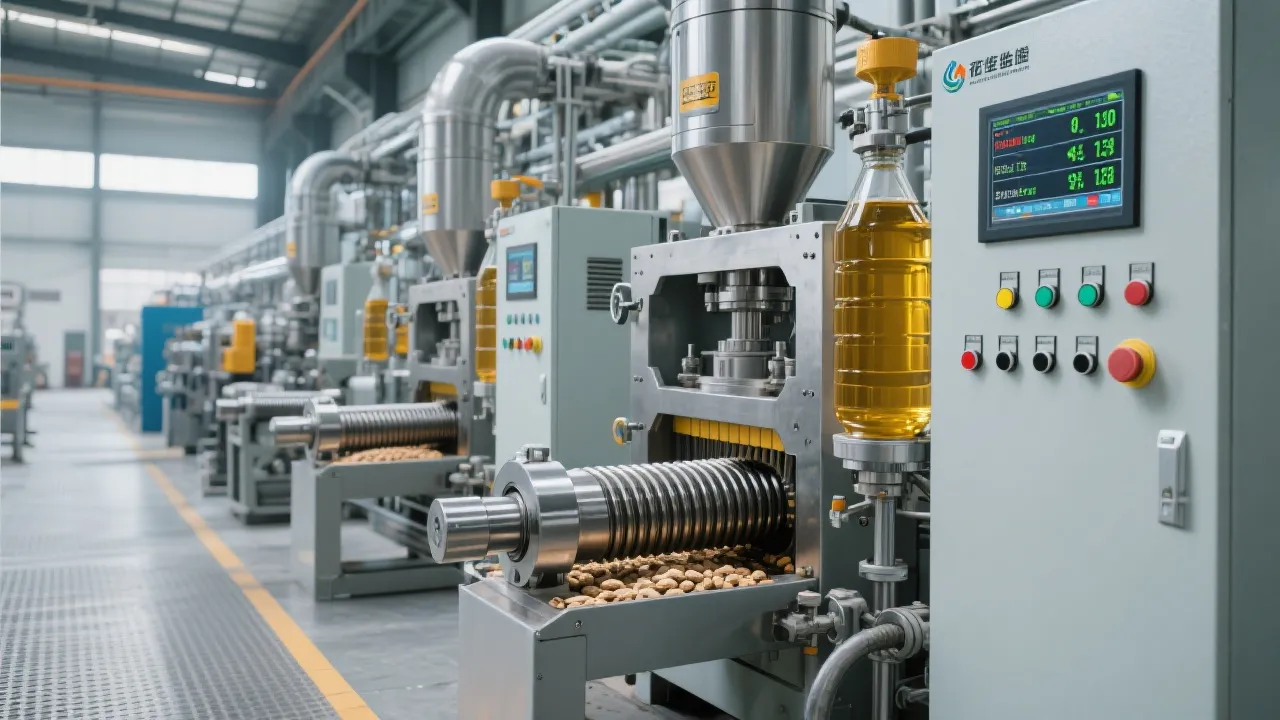
Small-scale operations (under 10 tons/month) benefit most from compact, single-stage presses like our PeanutPress Pro. These units require minimal space, low setup cost, and come pre-calibrated for local peanut varieties. For medium-sized factories producing 20–50 tons/month, multi-stage hydraulic presses offer better yield stability and automation features—like automatic pressure adjustment—which reduce labor dependency and improve safety.
👉 Did you know? In Nigeria, one cooperative saw a 40% drop in maintenance costs within the first year after upgrading from manual screw presses to semi-automatic ones.
| Machine Type | Avg. Power Consumption (kW/h) | Oil Yield (%) |
|---|---|---|
| Traditional Screw Press | 1.8–2.2 | 88–92 |
| Modern Hydraulic Press | 1.2–1.5 | 98–100 |
Regular checks prevent costly failures. Key steps include:
If issues arise, our technical team responds within 4 hours via WhatsApp or email, offering remote diagnostics or on-site support depending on location. With a full two-year warranty covering parts and labor, you’re protected against unexpected expenses—a major concern for small operators.
💡 Pro Tip: Our machines are tested in extreme climates—from Sudan’s 45°C summers to Vietnam’s monsoon seasons—and still deliver reliable performance. This adaptability directly impacts long-term profitability.
Q: Why does my press seem less efficient after 6 months?
A: Most often, it’s due to worn-out rollers or misalignment—not faulty equipment. Schedule a professional calibration once per quarter.
Q: Can I operate this machine in high humidity?
A: Yes—with proper ventilation and anti-corrosion coating on metal parts, these machines perform reliably even in tropical environments.
Q: How do I know which model suits my production volume?
A: Share your average daily input weight (kg/day), and we’ll recommend the ideal configuration—no guesswork needed.
 450
|
450
|
 smart peanut oil press
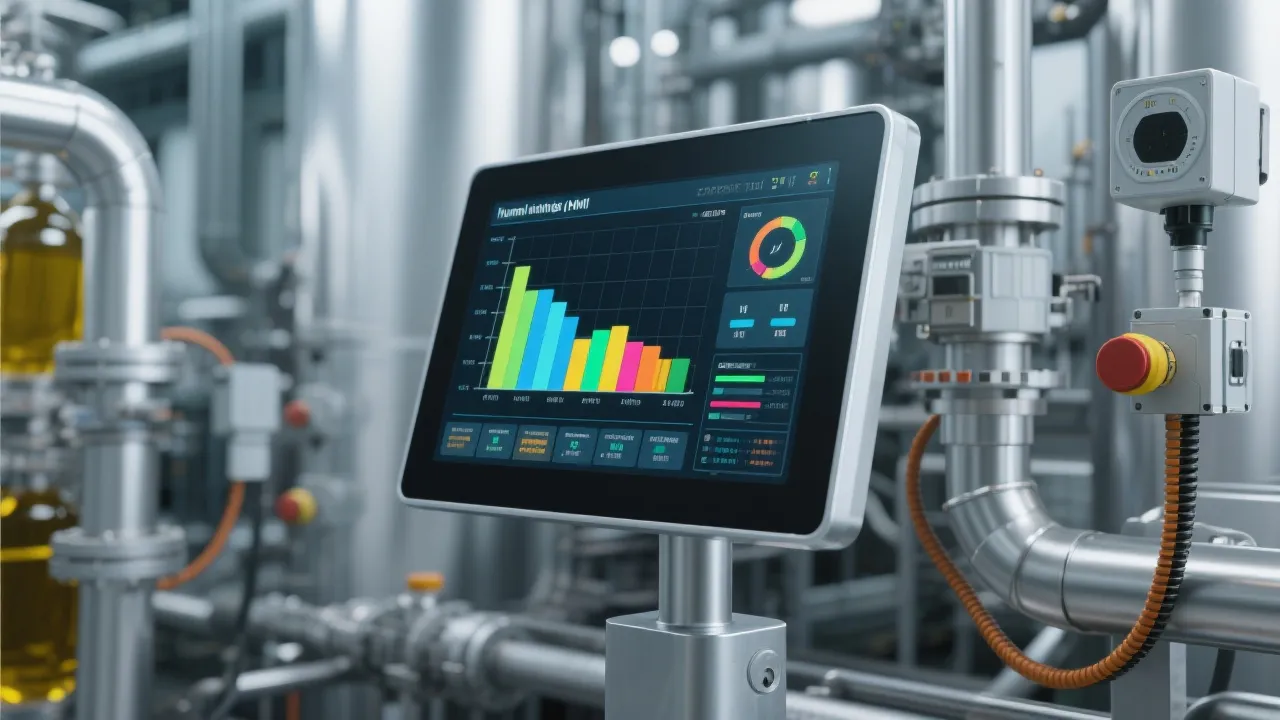
remote monitoring system
fault diagnosis technology
oil extraction automation
ISO9001 certified equipment
457
|
Intelligent control system
Peanut oil press
Automated production
Energy conservation
ISO9001 quality certification
396
|
peanut oil press energy efficiency
smart control system for oil presses
energy saving in oil extraction
agricultural cooperative energy solutions
small to medium oil mill optimization
42
|
peanut oil press energy efficiency
small scale oil mill upgrades
intelligent oil pressing technology
oil extraction rate improvement
agricultural cooperative machinery
198
|
peanut oil press automation
smart oil extraction control
low energy oil pressing machine
African oil processing solutions
Southeast Asian food processing automation
smart peanut oil press
remote monitoring system
fault diagnosis technology
oil extraction automation
ISO9001 certified equipment
457
|
Intelligent control system
Peanut oil press
Automated production
Energy conservation
ISO9001 quality certification
396
|
peanut oil press energy efficiency
smart control system for oil presses
energy saving in oil extraction
agricultural cooperative energy solutions
small to medium oil mill optimization
42
|
peanut oil press energy efficiency
small scale oil mill upgrades
intelligent oil pressing technology
oil extraction rate improvement
agricultural cooperative machinery
198
|
peanut oil press automation
smart oil extraction control
low energy oil pressing machine
African oil processing solutions
Southeast Asian food processing automation









.jpg?x-oss-process=image/resize,m_fill,h_800,w_800/format,webp)


